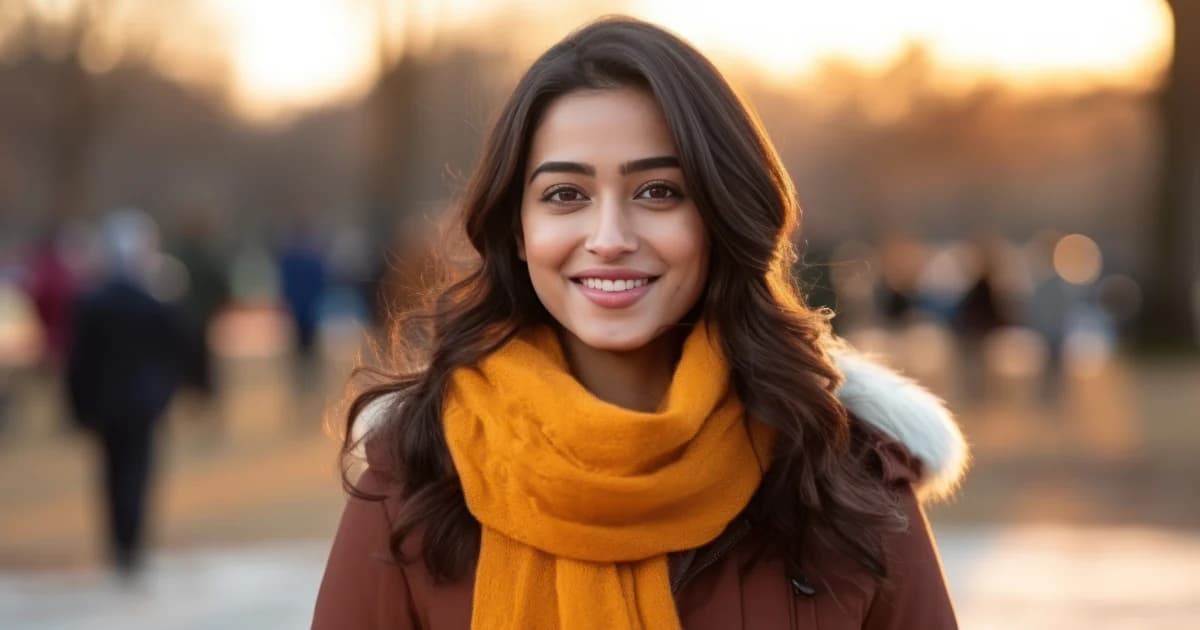
Winter in India is not a uniform experience. It is a cultural and climatic contradiction, where cities like Delhi embrace intense chills, fog-laced mornings, and heated coffee cups, while Mumbai moves through breezy evenings, sultry afternoons, and mild temperature drops. Yet, despite this contrast, one thing binds these cities together—India’s evolving winter fashion identity. No longer is layering just a necessity; it has become a language of personal style, a form of visual storytelling influenced by modern wardrobes, textile experiments, sustainability philosophies, and quietly confident silhouettes inspired by global and local This shift reflects something deeper than seasonal change. Winter wear in India is no longer dominated by bulky sweaters and unflattering jackets buried in shelves year after year. Instead, winter fashion has turned into an intentional curation of lightweight shawls, textured capes, quilted jackets, structured shrugs, embroidered stoles, and breathable fabrics that merge function with elegance. Across streets, offices, cafes, and wedding lawns, layering now symbolizes an intelligent fashion choice—one rooted in practicality but expressed through individuality. As Indian cities reshape their fashion identities, layering has evolved into an art form. Delhi’s layered outfits carry drama, bold contrasts, and structured silhouettes. Mumbai’s ensembles embrace relaxed fits, breathable textures, and minimalist layering suitable for humidity, mobility, and day-to-night fluidity. Yet, both stylistic personalities are grounded in Indian aesthetics, ensuring that winter fashion remains unmistakably desi—global in its appeal yet rooted in craft, color, nostalgia, and heritage. Understanding winter fashion in India starts with climate psychology. Delhi operates in extremes; the bitter cold is not just a physical experience—it becomes embedded in lifestyle, routine, and fashion decisions. Jackets in Delhi are not optional accessories; they are essential companions. The city’s winter wardrobes include woollen overcoats, quilted long jackets, velvet suits, high-neck sweaters, and shawls draped with generational pride. Here, layering becomes armor—protective yet expressive—painting the city’s visual landscape with textured silhouettes and depth. Mumbai, in contrast, treats winter as a gentle whisper. The sun persists, humidity lingers, and the sea breeze introduces only a mild dip in temperature. Instead of freezing winds, Mumbai welcomes opportunities for light layering—cropped jackets, cotton-blend trench coats, linen shrugs, denim layers, silk scarves, and airy ponchos. Layering is functional here, not forceful. It signals refinement rather than survival, becoming an extension of everyday ease. This difference in weather does not divide fashion sensibility—it enriches it. India’s winter wardrobe is no longer defined by geography but by attitude. Layering becomes a medium of self-expression across age groups, professions, cities, and lifestyles, allowing individuals to reinterpret style around comfort and confidence rather than climatic pressure. The modern Indian consumer is influenced by cinema, celebrity outings, street style, runway showcases, and the aspirational pull of social media. A reel, a Pinterest board, a stylist’s breakdown, or a celebrity airport look can spark a nationwide sartorial shift within hours. Fashion is no longer seasonal—it is an Layering in winter now speaks the visual language of personal identity. A long trench coat over a cotton kurta reflects elegance without excess. A woollen shrug over a chiffon saree merges softness with power. A black turtleneck beneath a silk angrakha blurs the lines between tradition and contemporary design. Layering allows one to revisit garments, mix wardrobes, and style pieces in Editions, season after season—each interpretation telling a new story. This approach supports conscious consumption. Indian buyers today seek value, not clutter. Layering enables maximum styling from minimal pieces, creating endless combinations without replacing entire wardrobes. The emphasis has shifted from buying more to buying better—craftsmanship, quality seams, breathable textiles, certified weaves, handwoven shawls, artisanal embroidery, and garments infused with cultural context. Layering in India is deeply intertwined with craft heritage. India’s legacy of textiles—Banarasi brocades, Kullu wool, Pashmina, Kalamkari prints, Kanjeevaram borders, Suf embroidery, Toda handwork, Ajrakh patterns, and handloom shawls—enables winter layering that transcends clothing and enters cultural storytelling. A Delhi woman pairing a velvet jacket with a Banarasi dupatta reflects luxury without shouting. A Mumbai man layering a linen kurta with a monochrome Nehru jacket embodies modern sharpness. These combinations, while subtle, echo centuries of design philosophy embedded in Indian winter fashion allows layering without erasing ethnicity. The rise of fusion wear has enabled kurtas paired with blazers, sarees paired with puffer jackets, shawls styled as scarves, and stoles doubling as capes. These combinations demonstrate India’s unique ability to cross-pollinate traditional silhouettes with Western-inspired fashion architecture, crafting looks that feel global yet rooted. Delhi's winter outfits are dramatic, textured, and assertive—velvet suits, woollen skirts layered with boots, turtlenecks beneath jackets, monochrome overcoats, and Kashmiri shawls that add warmth and opulence. The Delhi wardrobe believes in volume and structure. Its layering approach prioritizes thermal comfort, authority, and visual depth. The city endorses bold color palettes—charcoal, maroon, emerald, ochre, and midnight blue—that reflect winter’s melancholic romance. Mumbai treats layering as a stylistic whisper. Cropped denim jackets, linen trench coats, airy ponchos, cotton shrugs paired with dresses, lightweight scarves placed over t-shirts, and Indo-Western blazers dominate the scene. Mumbai styling embraces breathability—neutral shades, coastal palettes, and dusted hues that complement the city’s salt-lined skies. Here, layering is expressive, not heavy; thoughtful, not theatrical. Both cities use layering to communicate personality. Delhi layers for warmth and presence. Mumbai layers for motion and self-expression. Yet, both reflect the same cultural truth—the winter wardrobe in India has become a platform for style, experimentation, and identity. A key evolution in Indian winterwear is sustainability. The shift towards Sustainability is no longer a silent sentiment—it is a visible fashion statement. Influencers and designers now highlight ethical textiles, biodegradable fabrics, and slow fashion philosophies as aspirational lifestyle choices rather than alternatives. Layering encourages sustainability because it allows reuse. Instead of replacing garments each season, people reinterpret them. A 10-year-old silk stole turns into a statement accessory. A shawl becomes a cape. A kurta transforms into a layering base. These acts of style innovation reduce waste and protect craft ecosystems, preserving the authenticity and longevity of Indian fashion. India’s winter coincides with its wedding and festive calendar, making layering not only functional but celebratory. Brides embrace velvet jackets over lehengas, cape stoles over sarees, organza dupattas layered with turtlenecks, and embroidered shawls replacing bridal veils. Grooms sport shawls draped over sherwanis, layered kurtas, and Nehru jackets with metallic buttons. Layering during weddings reflects grandeur rooted in culture, not excess. Instead of wearing heavier garments, individuals layer intelligently, using fewer pieces to create richer visuals and impactful silhouettes. The look feels regal yet effortless—an embodiment of modern luxury captured through restraint, not opulence. The role of Digital fashion content is an influential asset, shaping Indian clothing behaviour across urban and semi-urban landscapes. What begins as runway experimentation becomes mainstream fashion within weeks because digital visibility eliminates hesitation, enabling young consumers to experiment confidently. Online shopping, AI styling features, virtual try-ons, and curated look recommendations have democratized layering. Style is no longer gatekept. Every Indian with a smartphone can reinvent winter layering without professional fashion knowledge, turning personal wardrobes into visual narratives of identity. Winter layering in India carries more than warmth—it carries emotion. Shawls gifted across generations, jackets worn to first jobs, scarves associated with college days, and sweaters knitted by grandmothers hold memories as powerful as fabrics. Layering becomes a bridge between nostalgia and new beginnings, weaving stories into seams. Winter fashion here is not just about trends—it is about belonging, transformation, and continuity. The choices may evolve, but the feeling remains: winter fashion makes people feel held, styled, confident, and ready for the world. Layering in India isn’t a passing fashion phase—it’s a philosophy that will continue to define wardrobes. As seasons blend, global influences shape consumer tastes, and Indian craftsmanship rises to global recognition, winter layering ideas will expand into new vocabulary and Layering aligns practicality with storytelling, ensuring garments reflect personality rather than season. It reveals something profound—India’s winter fashion is not only resistant to climate but receptive to emotion, innovation, culture, memory, and designClimate, Culture, and Closet Evolution
The New Layering Philosophy: Fashion Meets Identity
Layering With Indian Aesthetics: Craft, Color, and Culture
Delhi vs Mumbai: Two Cities, One Style Story
Sustainable Layering: The Rise of Conscious Textures
Weddings, Festivals, and Layering Glamour
Influence, Aspirations, and Digital Fashion Identity
The Emotional Meaning of Winter Fashion
The Future of Indian Layering
.webp&w=3840&q=75)
Winter Fashion in India: Layering Ideas That Work from Delhi to Mumbai
18 November 2025
Tags:
#winter fashion India#Indian aesthetics winterwear#layering styles Delhi Mumbai#fashion trends India#natural products clothing#social media fashion influence#influential asset styling#modern winter editions#Indian winter wardrobe

Reach a Wider Audience!
Advertise with us and showcase your brand to our vast community of fashion enthusiasts. Maximize your impact by placing an ad in our magazine.