.webp&w=3840&q=75)
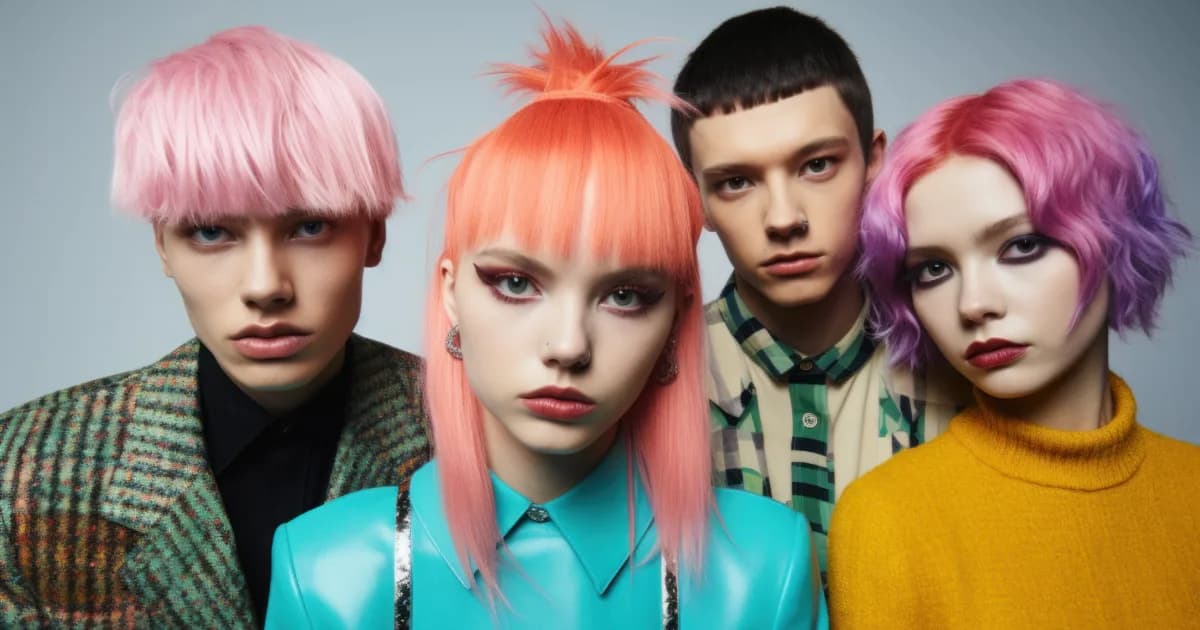
Redefining Identity Through Fabric
Fashion has always been a language—an unspoken dialogue between identity and culture. Today, that language is evolving. The genderless fashion revolution is redefining the rules, breaking down barriers between masculine and feminine aesthetics, and creating a space where style belongs to everyone.
Gone are the days when
From luxury houses to indie designers, this new wave of design reimagines the wardrobe as a shared space—a closet without borders, where individuality comes before labels.
The Rise of Gender-Neutral Fashion
Genderless fashion isn’t a fleeting trend—it’s a cultural shift. As society becomes more inclusive, the fashion industry is evolving in parallel, challenging stereotypes that once dictated what men and women should wear.
Designers like Harris Reed, Telfar Clemens, and Stella McCartney are championing collections that embrace inclusivity and non-conformity. Their designs blur the boundaries between masculine tailoring and feminine draping, creating silhouettes that resonate with authenticity and confidence.
The beauty of genderless fashion lies in its simplicity—it’s for everyone. Whether it’s a minimalist white polo shirt, tailored wool-blend trousers, or relaxed
From the Runway to the Streets
Fashion’s revolution begins on the runway—but it thrives on the street. In cities like London, Tokyo, and Mumbai, genderless fashion is a growing social movement. Influencers and stylists are blending traditionally masculine and feminine elements to craft identities that feel true to them.
A typical day’s look might pair structured wool-blend trousers with an oversized shirt tucked loosely, topped with bold accessories that defy categorization. It’s a reflection of real life—fluid, dynamic, and unrestricted.
Streetwear brands, too, are embracing this change. The new collections emphasize comfort, self-expression, and androgyny. Hoodies, wide-leg pants, and unisex polo shirts dominate collections designed to fit all body types.
The message is clear: fashion no longer belongs to gender—it belongs to identity.
How Brands Are Embracing Inclusivity
Leading brands are rewriting their design blueprints. Gucci’s MX line, for example, explores gender-fluid fashion through tailoring and silhouettes that merge masculine and feminine codes. Similarly, Thom Browne and Rick Owens have blurred gender binaries by featuring men in skirts and women in oversized suiting.
Luxury houses aren’t alone in this movement. Streetwear icons like Fear of God, Telfar, and Collina Strada are creating collections that anyone can wear—regardless of gender identity.
At the retail level, brands are rethinking store layouts and labeling. Instead of “Men’s” and “Women’s,” clothing sections are being redesigned as “Collections” or “Editions.” The
Even fast-fashion labels like Zara and H&M are introducing gender-neutral lines, combining polo shirts, pants, and oversized shirts with sleek minimalism and neutral tones. The shift reflects a broader consumer demand for fashion that prioritizes comfort and authenticity over categorization.
Breaking Down the Aesthetic Barriers
For decades, fashion followed rigid design codes—sharp suits for men, soft silhouettes for women. Genderless fashion dismantles those binaries.
Designers now merge structured tailoring with fluid draping, using fabrics that adapt to every body. The color palette has also evolved—neutral hues like beige, navy, grey, and black dominate, offering timeless versatility.
Accessories such as belts, scarves, and shoes are designed to complement, not define, identity. Even traditionally “masculine” garments like polo shirts and wool-blend trousers have found a new home in genderless fashion, repurposed with softer fabrics, wider cuts, and innovative styling.
The rise of oversized shirts symbolizes comfort and confidence—embracing silhouettes that move with the wearer rather than confine them.
This blend of elegance and comfort is what makes genderless fashion a modern necessity, not just a movement.
The Cultural Roots of Gender Fluidity
While genderless fashion feels revolutionary, its roots are deeply historical. Cultures across Asia, Africa, and Europe have long embraced fluid dress codes.
In ancient India, men wore dhotis and women draped sarees, both made from unstitched fabric. In Japan, kimonos were worn across genders, differing only in style or pattern. Similarly, European aristocrats in the 17th century wore lace, silk, and heels—symbols of prestige, not gender.
The modern genderless fashion movement reclaims this cultural history while aligning it with contemporary expression. By reimagining traditional pieces like wool-blend trousers or polo shirts through unisex design, the industry bridges the gap between heritage and innovation.
Sustainability and the Shared Wardrobe
Genderless fashion aligns naturally with sustainability. A shared wardrobe means fewer garments, less waste, and more mindful consumption.
Instead of duplicating designs for “men” and “women,” brands can create unified collections that cater to all. This not only reduces production but also encourages circular fashion—where pieces are designed to last across seasons, styles, and identities.
Minimalist pieces like polo shirts, oversized shirts, and tailored wool-blend trousers serve as wardrobe staples—easy to style, easy to share, and timeless in appeal.
In a world that’s increasingly conscious of its environmental footprint, genderless fashion is more than aesthetic—it’s a step toward ethical living.
Design Philosophy: Comfort Meets Confidence
The heart of genderless fashion lies in its focus on comfort and authenticity. These designs reject the idea that fashion must conform to body shape, size, or gender identity.
Loose fits, breathable fabrics, and versatile cuts define the look. The oversized shirt has become a statement piece, equally chic with tailored pants or layered under a fitted blazer. Similarly, wool-blend trousers strike the perfect balance between structure and softness, making them adaptable to any
The philosophy is simple: clothes should empower, not restrict. When comfort and confidence unite, style becomes a form of self-acceptance.
Social Media and the Digital Movement
Social media platforms like Instagram and TikTok have been crucial in amplifying the genderless fashion movement. Influencers, stylists, and content creators are showcasing diverse looks that defy gender binaries.
The trend of styling polo shirts with statement jewelry or layering
Moreover, fashion shows are going digital—models of all genders walk the same runway, proving that inclusivity isn’t an exception, but the new rule.
Fashion editors and stylists are also using social media to highlight the intersection of gender expression, comfort, and individuality—turning the digital world into the most influential closet of the modern era.
Retail Revolution: The New Shopping Experience
As consumer demand grows, retailers are rethinking the shopping experience entirely. Physical stores are embracing open layouts, featuring clothing without gender tags.
In the digital space, e-commerce platforms are adapting filters that focus on size, fit, and style instead of gender. This allows consumers to explore collections based on preference rather than stereotype.
Unisex sections are filled with timeless essentials—neutral-toned polo shirts, structured wool-blend trousers, relaxed pants, and statement oversized shirts that serve everyone equally.
This evolution reflects not just a retail change, but a societal one—one that values choice, individuality, and equality.
Celebrity Influence and Pop Culture Momentum
Celebrities have played a crucial role in popularizing genderless fashion. Icons like Harry Styles, Billy Porter, Jaden Smith, and Zendaya have used their public platforms to redefine how gender is expressed through clothing.
Harry Styles wearing a polo shirt with pearls or a tailored skirt challenges masculine stereotypes, while Zendaya’s preference for sharp suits redefines femininity with power.
This visibility normalizes fluid fashion, inspiring younger generations to build wardrobes based on personality, not gender norms.
The red carpet, once a stage for binary style statements, is now a platform for creativity without boundaries—where oversized shirts, flowing skirts, and structured wool-blend trousers coexist in perfect harmony.
The Future of Genderless Fashion
The genderless fashion revolution represents more than a stylistic shift—it’s a societal transformation. The future closet will be curated around versatility, ethics, and emotion rather than gender or trend.
As consumers demand more inclusivity, transparency, and sustainability, brands will continue to evolve. The wardrobe of tomorrow will be filled with timeless pieces—polo shirts, pants, wool-blend trousers, and oversized shirts—designed to express identity freely.
Genderless fashion encourages individuality while promoting empathy. It dismantles barriers, celebrates authenticity, and reflects the evolving human experience in every seam and silhouette.
In this new era, fashion’s purpose is no longer to define who we are—it’s to empower us to simply be.
