.webp&w=3840&q=75)
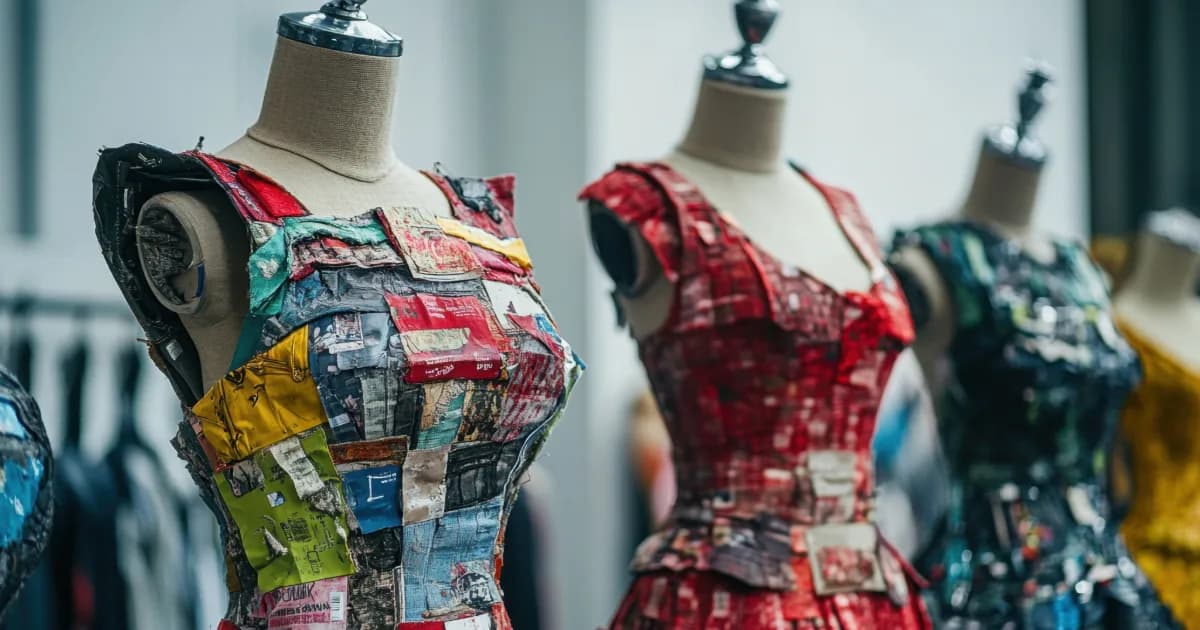
The Rise of the Circular Fashion Economy in India
India has long been a hub of craftsmanship and textile artistry. As the world shifts towards sustainability, the concept of a circular fashion economy—where garments are designed, produced, and consumed in a way that minimizes waste and maximizes reuse—is gaining momentum. Unlike fast fashion, which promotes disposable trends, circular fashion focuses on keeping materials in circulation for as long as possible.
Indian designers, consumers, and brands are now reimagining how clothing is made, worn, and discarded. From reviving traditional crafts to upcycling denim and experimenting with eco-friendly fabrics, India is positioning itself as a leader in the sustainable fashion movement.
Understanding the Circular Fashion Model
The circular fashion economy is built around three key principles: reduce, reuse, and recycle. It challenges the conventional linear model of “make, use, dispose,” instead promoting longevity and mindful consumption. In India, this aligns seamlessly with the country’s cultural philosophy of minimalism and resourcefulness.
Circular fashion doesn’t just stop at recycling fabrics—it also redefines how we view ownership. The rise of clothing rental platforms, second-hand marketplaces, and digital fashion showcases indicates that sustainability is evolving beyond a trend to a lifestyle.
This model also encourages consumers to invest in timeless pieces like a black A-line dress or a well-structured
India’s Cultural Edge in Circular Fashion
India’s textile heritage naturally supports the idea of circularity. From handwoven khadi to intricate embroidery, the nation has always valued artisanal quality over mass production. These crafts, when integrated into modern silhouettes, embody sustainability by design.
For instance, many Indian labels are reviving age-old techniques like Zari work and using plant-based dyes. The result is a unique blend of tradition and modernity that adds personality to garments. Sustainable fashion in India isn’t just about eco-conscious choices—it’s also about celebrating individuality and preserving heritage.
Furthermore, the growing demand for
The Role of Technology and Innovation
Innovation is key to making circular fashion scalable. Indian startups are leading with technology that supports waste reduction, such as fabric recycling units and AI-driven fashion design tools.
For example, designers are using AI to analyze customer preferences and create designs that reduce overproduction—a major contributor to
Moreover, the use of blockchain in supply chains is improving transparency, ensuring that each garment produced follows ethical and sustainable practices. This tech-driven approach, combined with India’s traditional knowledge base, is pushing the nation closer to becoming a global leader in circular fashion.
The Slow Fashion Movement in India
The slow fashion movement complements the circular economy by encouraging people to buy fewer but better-quality pieces. Indian designers like Anita Dongre and brands such as Nicobar and Doodlage have been strong advocates for slow, conscious fashion.
These brands highlight the value of natural fibers like cotton, linen, and silk while encouraging customers to repair or repurpose clothes instead of discarding them. A simple denim jacket can be restyled in multiple ways—paired with dresses, layered over shirts, or accessorized for a statement look.
The concept of slow fashion also promotes mindful consumerism—where each purchase reflects a conscious decision to reduce environmental impact while supporting local artisans.
Government and Policy Support
The Indian government is increasingly recognizing the potential of sustainable fashion in contributing to the economy while addressing environmental concerns. Initiatives like “Make in India” and “Atmanirbhar Bharat” have encouraged domestic production, while policies supporting recycling, upcycling, and eco-friendly manufacturing are gradually being implemented.
Several state governments are also promoting textile parks focused on sustainability and renewable energy. These initiatives not only reduce pollution but also create employment opportunities for skilled artisans who embody India’s fashion legacy.
Furthermore, educational institutions are incorporating sustainability into their fashion curricula, preparing the next generation of designers to lead with eco-conscious creativity.
Consumer Awareness and the Shift in Mindset
The biggest transformation is happening at the consumer level. Indian buyers are becoming more environmentally aware, demanding transparency and ethical sourcing from brands. The younger generation, especially Gen Z, is driving this change by preferring thrift stores, rental fashion, and sustainable labels.
Social media campaigns and influencers play a pivotal role in normalizing conversations around sustainability. Fashion enthusiasts are realizing that owning fewer pieces—such as a timeless
As awareness grows, circular fashion is no longer limited to high-end consumers. Local markets and independent artisans are also adopting sustainable practices, ensuring that this movement reaches every corner of the country.
The Challenges Ahead
Despite its rapid growth, India’s circular fashion ecosystem faces several hurdles. The lack of infrastructure for textile recycling, high costs of sustainable materials, and limited consumer education pose challenges. Additionally, small-scale artisans often struggle to compete with fast-fashion prices.
However, collaborations between designers, government bodies, and sustainability-driven organizations are paving the way for scalable solutions. The adoption of biodegradable materials and the establishment of textile recycling hubs are key steps forward.
The integration of circular fashion into mainstream retail requires long-term commitment from all stakeholders—designers, consumers, and policymakers alike.
The Road Ahead: Can India Lead the Global Movement?
India’s deep-rooted traditions, technological advancements, and growing environmental consciousness create the perfect foundation for leading the global sustainable fashion revolution. The country’s diverse textile heritage and innovative startups are already proving that sustainability and style can coexist.
By continuing to emphasize quality over quantity, and by merging old-world craftsmanship with modern design sensibilities, India can position itself as a pioneer in the circular fashion economy.
Every stitch, every weave, and every design choice reflects more than just aesthetic—it reflects responsibility,
India’s journey towards circularity is not just a shift in production—it’s a cultural renaissance that could inspire the world.
