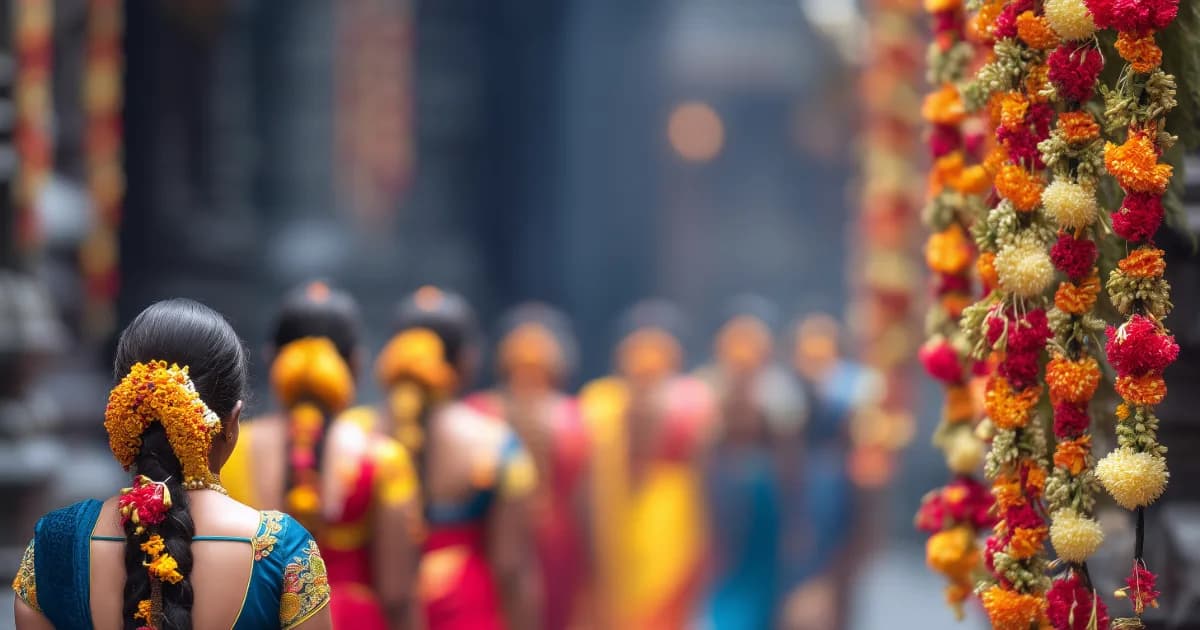
World Saree Day arrives each year with the promise of celebrating India’s most iconic attire—the saree. What makes 2025 exceptional is how saree draping has shifted from classic silhouettes to globally inspired interpretations. No longer limited to ceremonial styles, sarees today appear on runways with experimental cuts, dramatic finishes, and contemporary styling concepts that rival couture gowns. What has emerged is a fusion-driven fashion phenomenon where the saree stands not as a relic of tradition, but as a breathing, evolving garment that holds aspiration, artistry, and emotion. The transition from runway fantasy to wearable elegance is not accidental. Designers realized a growing desire among modern consumers—especially brides, bridesmaids, and festive fashion enthusiasts—to wear sarees that retain the essence of heritage yet mirror global aesthetics. That demand triggered an era where saree drapes have become stories, moods, and personal expressions. The saree today is not merely draped; it is sculpted, constructed, layered, cinched, and dramatized to communicate identity. Among the drapes that dominate the season are forms infused with structure, movement, and innovation. Belted silhouettes, for instance, have taken over contemporary styling—streamlining the waist while adding couture detail. These belts are no longer simple accessories; they range from embellished gemstones to metallic corsetry, transforming the saree into an outfit with a commanding presence. This evolution appeals to women who crave elegance without losing practicality, especially when attending long celebrations, multi-ritual weddings, or back-to-back events. Similarly, pant-style sarees have become a sensation for those who admire comfort-driven glamour. Replacing the traditional petticoat with tailored trousers, these sarees carry a fresh, modern sensibility. They allow wearers to move freely without worrying about pleats, offering a streamlined look that easily translates from a haldi ceremony to a cocktail night. These are the sarees social media obsesses over—the ones that influencers spin into viral reels, guided by styling ideas suggested by a Nothing is more visually fascinating, however, than sarees inspired by capes. A cape cascading behind the wearer brings cinematic motion and instantly elevates the pallu into a sculptural extension of the outfit. Brides experimenting with this silhouette find themselves floating rather than walking, as if dressed in an ethereal hybrid between Indian drapery and European couture gowns. Designers love the drama of capes because they double as accessories, eliminating the need for heavy jewellery, while subtly adding volume and prestige to the look. Another drape drawing admiration is the Dhoti-inspired interpretation, rooted deeply in Indian tradition yet refreshed for modern wardrobes. The snug, tapered flow of the dhoti drape offers mobility and youthful vivacity—qualities that resonate with brides who prioritize ease without sacrificing elegance. While its origins carry cultural depth, the dhoti saree feels fiercely current, almost rebellious, in the way it dismisses conventional silhouettes. The lehenga-inspired saree, too, holds emotional significance. It appeals to those caught between two worlds: the poise of a saree and the exuberance of a lehenga. This drape adds layered volume, highlights the waistline, and creates an impression of grandeur without the weight typical lehengas demand. Given its versatility, brides consider it a More dramatic still is the mermaid-inspired drape, sculpting curves through the hips before unfurling gently toward the hem. This design is architectural, sensual, and cinematic, creating a silhouette reminiscent of haute couture presentations. It is a favourite among those who wish to combine runway glamour with cultural adornment, proving that a saree can be just as bold as satin corsetry or Western Soft drapes like the butterfly style offer a subtler personality—weightless, pleatless, fluid, and dreamlike. It hovers around the wearer, especially when crafted in chiffon or georgette, making it ideal for outdoor weddings, daytime celebrations, or seaside ceremonies. With minimal pleating, the fabric moves with the breeze, ideal for those who wish to radiate charm without effort. The jacket saree introduces power into elegance, merging tailored jackets with traditional drapes. Velvet, brocade, organza, and layered embroidery redefine structure, adding a sense of dominance and sophistication. This look has become symbolic of women reclaiming authority in traditional attire—an outfit that Even retro Bollywood-inspired drapes have resurfaced, enchanting modern brides who look for nostalgia. Think pastel chiffons, flowing pallus, dramatic eyeliner, and timeless romance. These looks whisper stories, merging memory with fantasy, proving that old-world glamour never fades—it only reinvents itself for new audiences. What makes these drapes extraordinary is not merely how they look, but what they express. Each drape contains a Wedding season intensifies this transformation. As themes expand beyond tradition, fashion must follow. Brides no longer accept predictable silhouettes; they choose drapes that evoke emotion, movement, and individuality. Sarees have entered the domain once reserved for international couture—where fabrics shimmer with Swarovski crystals, where pleats are engineered like sculptures, and where every fold feels intentional. These aren't just outfits; they are statements of ambition, legacy, and personal identity. Advancements in styling tools allow even first-time saree wearers to experiment confidently. AI-based try-ons, virtual drape tutorials, and automated measurements provided by a digital assistant make saree selection and styling less intimidating, more intuitive, and globally accessible. Technology has democratized couture—transforming sarees from craft traditions into intelligent And therein lies the saree’s revolution: it is no longer content being a garment of memory; it has become a garment of possibility. It competes not with Indian clothing but with international luxury categories that redefine status. From embroidered belts to sculptural pallus, sarees today reflect the ambitions of a generation unafraid to merge culture with cosmopolitan taste. World Saree Day doesn't merely celebrate fabric—it honours identity, movement, femininity, and storytelling. The saree remains India’s most dynamic artistic expression—capable of reinvention without distortion, of modernization without erasure, and of evolving from runway spectacle to everyday magnificence.
.webp&w=3840&q=75)
From Runway to Reality: 10 Saree Drapes Perfect for World Saree Day & Wedding Season
14 November 2025
Tags:
#saree draping#wedding sarees#runway saree fashion#luxury saree trends#digital assistant fashion#gowns styling inspiration#valuable ethnic wear#saree showcase#modern saree styles

Reach a Wider Audience!
Advertise with us and showcase your brand to our vast community of fashion enthusiasts. Maximize your impact by placing an ad in our magazine.