.webp&w=3840&q=75)
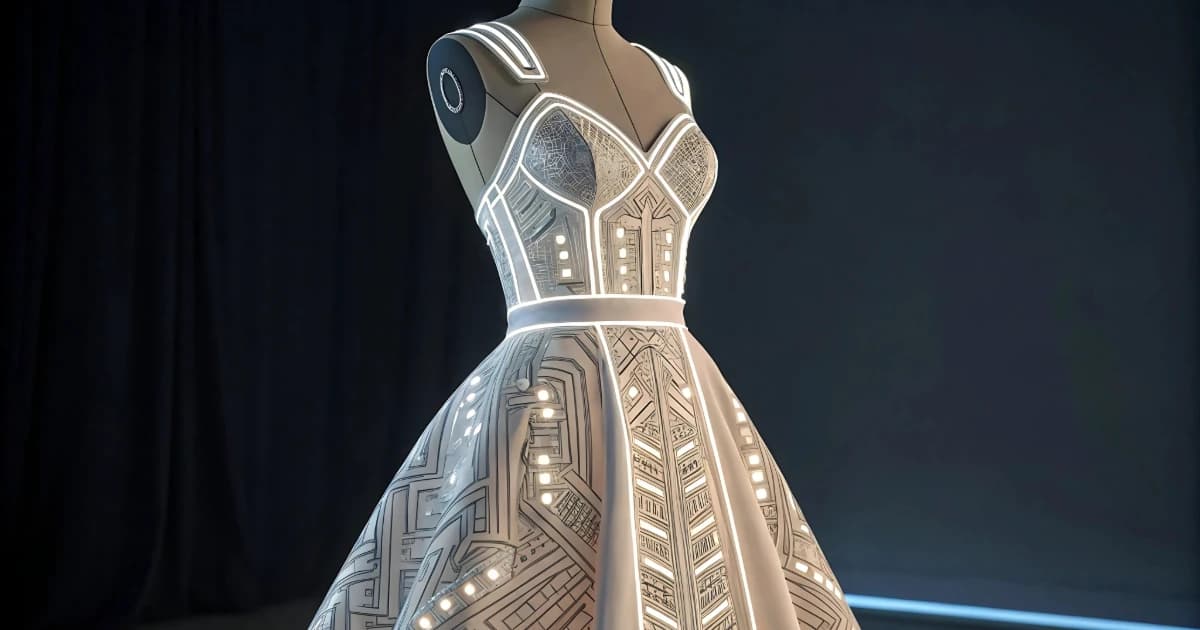
The Evolution of Tech Couture: Fashion in the Digital Age
In today’s hyper-connected world, fashion and technology are no longer separate industries—they’re collaborators. The emergence of tech couture has reshaped the very definition of luxury and innovation, transforming runways into hubs of scientific experimentation and creativity.
From garments that monitor health to accessories that capture real-time data through built-in cameras, this fusion has given rise to intelligent fashion that goes far beyond aesthetics. The intersection of style and innovation is not just about looking good; it’s about feeling, functioning, and interacting smarter.
This evolution has also created an exciting new paradigm where wearables don’t just accessorize—they augment human experience.
Smart Fabrics: The Backbone of Tech-Driven Fashion
At the heart of tech couture lies the smart fabric—textiles embedded with digital components like sensors, microchips, and conductive threads. These materials can respond to environmental stimuli such as heat, pressure, or motion, creating garments that adapt to the wearer’s needs in real time.
Leading brands are experimenting with textiles that can regulate temperature, change color, or even power small devices. Imagine a jacket that adjusts its insulation depending on the weather, or a dress that changes hue based on body temperature. These innovations blur the line between fashion and function, turning clothing into a personalized digital assistant.
Beyond aesthetics, smart fabrics also have medical and athletic applications. Integrated sensors can monitor heart rate, hydration, and muscle performance, providing data that enhances both
The Rise of Wearable Technology in Fashion
Wearable technology is the most visible and commercially successful expression of tech couture. While smartwatches were the first wave, we’re now entering an era of
For instance, sunglasses are being reimagined as multi-functional gadgets—equipped with AR displays, built-in cameras, and voice assistants. These futuristic sunglasses serve as
Similarly, accessories like smart rings, necklaces, and bracelets have evolved to track wellness, control devices, and store digital identities. They merge luxury craftsmanship with advanced
Wearable fashion is no longer just about convenience—it’s about empowerment. Whether it’s self-heating gloves for winter or LED-lit gowns for red-carpet events, tech couture bridges individuality and intelligence in every stitch.
How Designers Are Embracing Tech Couture
Leading designers and brands are at the forefront of this fashion-tech revolution. From Iris van Herpen’s sculptural, 3D-printed dresses to Ralph Lauren’s PoloTech shirts that monitor fitness metrics, innovation has become the new haute couture.
Van Herpen, known for pushing creative boundaries, uses technology like laser cutting and computational design to produce garments that mimic natural forms. Her work is a testament to how data and digital precision can enhance human artistry.
Meanwhile, luxury brands like Louis Vuitton and Prada are collaborating with tech giants to develop accessories that integrate NFC chips and connectivity features, making luxury more interactive than ever.
This collaboration between fashion houses and engineers is giving birth to a new creative economy—one where couture is coded, and beauty is programmable.
AI and Data in the Design Process
Artificial intelligence is redefining how designers conceptualize and produce fashion. By analyzing consumer preferences, climate data, and social trends, AI systems can predict what colors, cuts, and fabrics will resonate next season.
For instance, machine learning algorithms can recommend design modifications or suggest new patterns that align with global trends. This data-driven approach allows for more efficient production, reducing waste while maintaining artistic integrity—a nod to sustainability through technology.
AI-powered robots are also entering the atelier. Some are capable of intricate stitching, while others assist in material optimization. Designers are no longer just artists—they’re innovators leveraging code and computation to create garments that adapt and respond to the world around them.
Smart Skincare and Digital Grooming
As fashion becomes increasingly intertwined with technology, the beauty and grooming industries are also evolving. Tech-infused beauty routines are reshaping how individuals approach skincare and personal presentation.
AI-driven
These innovations merge style and science, ensuring that grooming becomes a personalized experience that enhances confidence and self-expression. Just as smart fabrics adapt to the body’s needs, tech-powered skincare adapts to the skin’s changing conditions.
The Role of Sustainability in Tech Couture
While innovation drives tech couture, sustainability grounds it. The fusion of fashion and technology offers opportunities to reduce waste, improve resource management, and extend product lifecycles.
Smart fabrics that detect wear and tear can signal when repairs are needed, prolonging garment longevity. Digital clothing—wearable only in the metaverse or online spaces—reduces the need for physical production altogether.
Additionally, advances in material science are leading to the development of biodegradable smart textiles and solar-powered clothing, promoting a circular fashion economy that values both creativity and conservation.
This sustainable edge ensures that tech couture isn’t just futuristic—it’s responsible.
The Human Element: Redefining Expression Through Technology
Despite the digital transformation, fashion remains inherently human. Technology amplifies, rather than replaces, self-expression. It gives individuals the power to tell stories through interactive garments, responsive colors, and intelligent accessories.
Imagine a concert outfit that pulses to the rhythm of the music, or a red carpet gown that displays live digital art. These concepts are not distant fantasies—they’re the next stage in the evolution of couture.
For Gen Z and millennial consumers, this synergy between tech and style reflects their identity: bold, informed, and future-focused. They see clothing not just as protection or status, but as an interface—an extension of personality and connectivity.
The Integration of Everyday Tech in Fashion
Beyond couture, everyday fashion is rapidly incorporating smart features once reserved for high-end innovation. Jackets with built-in
Even Serum dispensers and wearable beauty patches are turning daily routines into digital experiences. This integration creates a seamless ecosystem where fashion meets functionality, and style meets substance.
The next phase of wearable tech could see full synchronization between devices and clothing, where your outfit interacts with your smartwatch, skincare routine, and even home automation system.
The Future of Tech Couture: Blurring Boundaries
The future of tech couture lies in merging digital aesthetics with tangible experiences. As augmented reality (AR), virtual reality (VR), and artificial intelligence continue to advance, fashion is becoming a multidimensional experience.
Virtual fashion shows now allow attendees to interact with garments in real time. In the metaverse, designers are crafting virtual wardrobes for avatars, expanding the definition of personal style beyond physical boundaries.
Meanwhile, the physical world is seeing garments embedded with flexible displays, real-time sensors, and adaptive textiles. These pieces not only showcase innovation but also redefine how humans communicate through clothing.
Tech couture is not just a trend—it’s the future of self-expression, sustainability, and sensory experience.
The Intersection of Luxury, Innovation, and Identity
Tech couture represents the ultimate harmony between artistry and innovation. It’s where fashion becomes functional and technology becomes emotional. By merging creativity with intelligence, designers are crafting a future where every garment tells a story, reacts to the environment, and connects with the wearer’s world.
From health-tracking apparel and futuristic sunglasses to smart skincare and adaptive fabrics, the new era of couture invites us to embrace fashion as both art and interface.
As we move forward, one thing is clear: the future of fashion is not just wearable—it’s aware.
