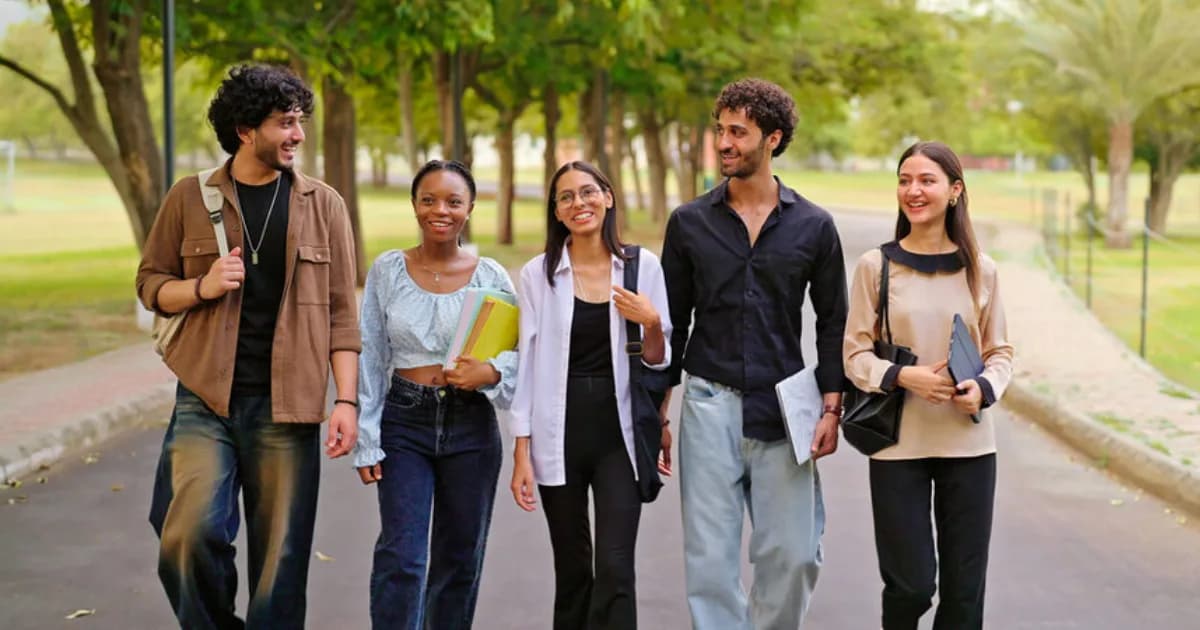
Indian Gen Z fashion is less about following a single trend and more about creating a style that feels distinctly personal. From college campuses and music festivals to Instagram feeds and city streets, young Indians are mixing traditional influences with global fashion movements in fresh and unexpected ways.
What makes this generation interesting is its willingness to experiment. A kurta can be styled with baggy jeans, a sari can become part of a contemporary streetwear look, and vintage
Social media has played a major role in this shift. Platforms such as Instagram and Pinterest expose young consumers to international trends while giving Indian creators space to reinterpret them through a local lens.
Indo-Western Fashion Gets a Gen Z Update
The fusion of Indian and Western fashion continues to be one of the strongest trends among young consumers. However, today's interpretation is much more relaxed than traditional fusion dressing.
Gen Z is pairing crop tops with lehengas, oversized shirts with Indian skirts, and sneakers with kurtas. Sarees are being styled with corsets, graphic tees, jackets, and contemporary blouses, while dupattas are being used as statement accessories rather than simply traditional layers.
The appeal lies in flexibility. Young shoppers want garments that can work across occasions rather than pieces reserved for a single celebration. A traditional silhouette can easily be transformed with modern styling, making Indian fashion feel relevant to everyday wardrobes.
Thrift Fashion and the Love for One-of-a-kind Pieces
Vintage shirts, denim, oversized jackets, old school accessories, and pre-loved Indian garments can add character to an otherwise simple outfit. Unlike mass-produced fashion, second-hand pieces often have an individuality that makes them attractive to consumers who want their personal style to stand out.
Online thrift stores, Instagram sellers, flea markets, and local resale communities have also made second hand shopping more accessible. These
The movement also reflects growing awareness around overconsumption. While affordability remains important, many young shoppers are becoming more conscious about how frequently they purchase and how long their clothes can remain useful.
Streetwear Meets Indian Culture
Streetwear continues to influence Indian Gen Z wardrobes, but it rarely appears in isolation. Oversized silhouettes, baggy denim, graphic T-shirts, sneakers, utility trousers, and statement jackets are being combined with Indian-inspired details.
Regional prints, embroidery, traditional textiles, and handcrafted details are increasingly appearing alongside contemporary streetwear. This creates a visual language that feels both global and distinctly Indian.
The trend also demonstrates how fashion can cross cultural boundaries without completely losing its roots. Instead of copying international streetwear, young Indian consumers are adapting it to their surroundings, climates, communities, and cultural references.
The Rise of Individual Aesthetics
One of the biggest changes in Gen Z fashion is the move away from a single definition of what is fashionable. Instead, young consumers move between different aesthetics depending on their mood and personality.
Some may gravitate toward minimalist outfits with neutral colours, while others prefer maximalist prints, Y2K references, or experimental silhouettes. Cottagecore, coquette-inspired dressing, indie fashion, streetwear, and vintage influences can all exist within the same wardrobe.
This freedom to switch styles is particularly visible online. Social platforms have turned fashion into a visual form of self-expression, allowing people to explore different identities without permanently committing to one look.
For brands and designers, understanding this behaviour is important. Gen Z does not necessarily want to be told what to wear. They want products that allow them to
Y2K and Nostalgic Fashion Return
The Y2K influence remains visible across Indian youth fashion, particularly through low-rise silhouettes, fitted tops, mini skirts, cargo trousers, metallic details, colourful accessories, and nostalgic prints.
Interestingly, Gen Z is experiencing these trends through a combination of original references and modern reinterpretations. Bollywood fashion from the late 1990s and early 2000s has also become a source of inspiration, with young consumers revisiting iconic silhouettes through social media.
The result is not an exact recreation of early 2000s fashion. Instead, it is a more wearable version that blends nostalgia with current proportions and styling.
Gender Fluid and Experimental Dressing
Traditional ideas about menswear and womenswear are becoming less restrictive among younger Indian consumers. Oversized shirts, relaxed trousers, jewellery, cropped silhouettes, layered pieces and unconventional styling are increasingly being explored across gender lines.
This does not mean everyone is adopting gender fluid fashion. Rather, Gen Z has become more comfortable treating clothing as something that does not always need to follow predefined categories.
Fashion therefore becomes a tool for experimentation. The focus shifts from whether an item was originally designed for men or women to whether it works with an individual's preferred look.
Subcultures Influence Mainstream Style
Indian fashion is also being shaped by different
These influences often begin within smaller groups before becoming visible in mainstream fashion. A particular shoe style, hairstyle, accessory, or silhouette can move rapidly from niche communities to social media trends.
This makes Gen Z fashion particularly dynamic. Trends can emerge from anywhere, evolve quickly, and disappear just as fast. For designers and fashion businesses, cultural awareness is therefore becoming just as important as seasonal trend forecasting.
Comfort Becomes a Fashion Statement
Comfort is no longer considered the opposite of style. Oversized shirts, relaxed trousers, sneakers, co-ord sets and easy silhouettes have become staples for everyday dressing.
India's diverse climate also influences this preference. Breathable fabrics, lightweight layers and relaxed fits can offer practicality without compromising on appearance.
Young consumers are increasingly looking for pieces that can move between college, work, social events and casual outings. This has encouraged brands to rethink how they design and market everyday fashion.
Perhaps the defining feature of Indian Gen Z fashion is personalisation. Rather than adopting trends exactly as they appear online, young consumers mix references to create something that feels individual.
A thrifted jacket can be paired with Indian jewellery. Traditional garments can be styled with sneakers. A vintage accessory can transform a contemporary outfit. The possibilities are intentionally open ended.
This approach makes Indian Gen Z fashion less predictable, but also more exciting. The generation is not simply consuming trends. It is remixing them, questioning them, and turning them into expressions of personality.
For Indian designers and fashion brands, this represents an opportunity to create collections that encourage experimentation rather than prescribe a complete look. The future of youth fashion may not belong to one dominant trend. It may belong to the freedom to create your own.
