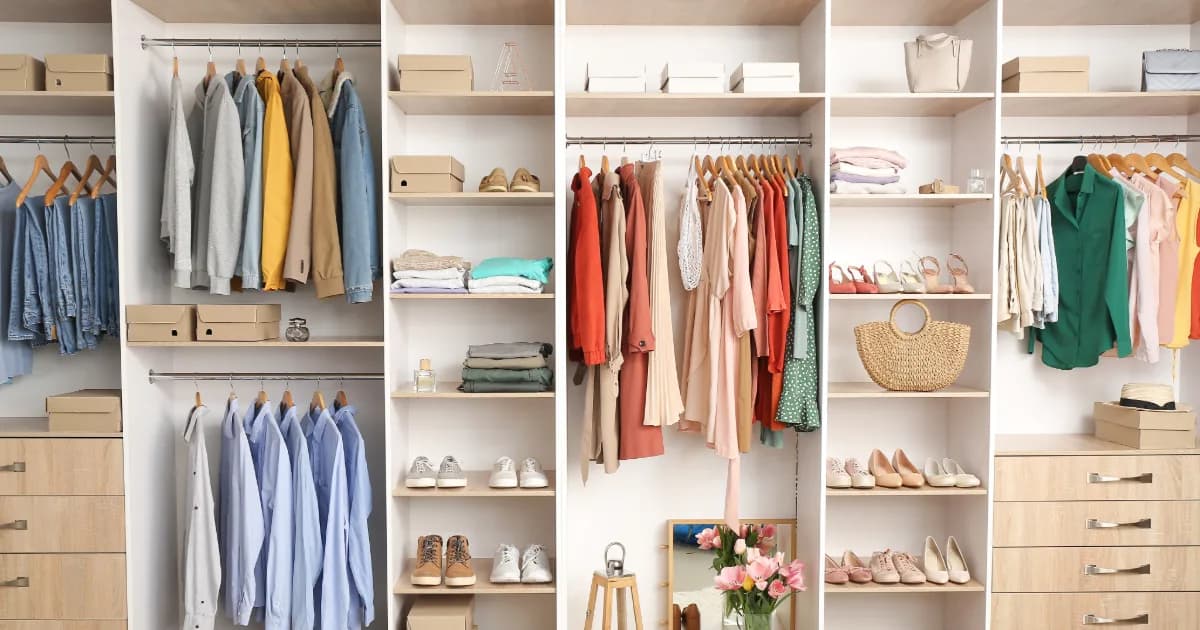
Building a stylish wardrobe does not require unlimited spending or constant shopping. In 2026, fashion is becoming more focused on creativity, versatility, and smart styling rather than expensive labels or excessive consumption. Many people now understand that personal style is less about owning large amounts of clothing and more about choosing pieces that work together naturally. The rise of digital fashion culture has changed how consumers approach shopping. Social media constantly introduces new trends, influencer aesthetics, and celebrity-inspired looks, often creating pressure to buy more clothing than necessary. However, modern fashion enthusiasts are increasingly moving toward intentional wardrobes built around quality, comfort, and individuality. A stylish wardrobe on a budget is possible when consumers focus on timeless essentials, thoughtful shopping habits, and versatile outfit combinations. Instead of chasing every new trend, many people are learning how to create fashionable looks using carefully selected pieces that remain wearable for years. This shift also reflects growing awareness around sustainability and mindful consumption. Fast fashion may provide temporary excitement, but investing in adaptable wardrobe staples often proves more practical and cost-effective in the long run. Fashion today is not about owning the most expensive outfits. It is about understanding personal style, choosing clothing wisely, and wearing it confidently. The foundation of any stylish wardrobe begins with timeless essentials. Instead of purchasing random trend-based pieces, it is more practical to build around versatile clothing that works across multiple occasions. Neutral T-shirts, classic denim, oversized shirts, structured blazers, comfortable trousers, and simple dresses are among the most important Neutral color palettes such as black, white, beige, navy, grey, and olive remain especially useful because they coordinate naturally with other clothing items. Building a wardrobe around adaptable tones makes styling simpler and more affordable over time. Many fashion-conscious consumers now focus on creating capsule wardrobes, where a smaller number of high-quality items replace large collections of trend-driven clothing. This approach reduces unnecessary spending while encouraging more intentional fashion choices. Timeless essentials also remain relevant regardless of seasonal trend changes. A well-fitted pair of jeans or a clean white shirt can stay fashionable for years when styled creatively. The goal is not to own countless outfits but to create a wardrobe where every piece serves a purpose. One of the biggest reasons people overspend on fashion is buying clothing without understanding their personal aesthetic. Trends often appear attractive online but may not align with individual lifestyle needs or comfort preferences. Before shopping, it is important to identify what styles feel natural and wearable. Some people prefer minimalist fashion, while others enjoy streetwear, vintage aesthetics, feminine silhouettes, or smart casual outfits. Studying existing wardrobe favorites can help identify consistent patterns in color choices, silhouettes, and styling preferences. This understanding prevents impulse purchases and helps create more cohesive outfit combinations. The influence of social media has made fashion inspiration more accessible than ever, but constantly copying every online trend can quickly become expensive and overwhelming. Instead of trying to recreate every influencer look, consumers benefit more from adapting inspiration into their own lifestyle and personality. Many A strong wardrobe reflects confidence and authenticity rather than constant trend chasing. Budget fashion does not mean buying the cheapest clothing available. In many cases, low-quality garments wear out quickly, forcing consumers to replace them repeatedly and spend more over time. Investing in fewer but better-quality items often provides greater long-term value. Durable fabrics, strong stitching, and timeless cuts usually remain wearable much longer than poorly made fast-fashion pieces. This does not mean every item must be expensive. Many affordable brands now offer good-quality basics that balance comfort, durability, and style. The key is learning how to identify pieces worth investing in. When shopping on a budget, prioritizing versatile clothing is especially important. A neutral blazer or quality denim jacket can be styled across multiple seasons and occasions, making it a smarter investment than highly trend-specific items. The growing interest in sustainable fashion has also encouraged consumers to shop more thoughtfully. Reducing unnecessary purchases helps minimize waste while supporting more responsible consumption habits. Fashion is gradually moving away from excessive buying toward more intentional wardrobe building. Secondhand fashion has become increasingly popular among younger consumers, especially those seeking affordable and unique clothing options. Thrift shopping allows people to discover stylish items at significantly lower prices while reducing environmental impact. Vintage denim, oversized jackets, handbags, and retro accessories are especially popular within modern streetwear and minimalist fashion communities. Many consumers now view thrifted pieces as more interesting and personal than mass-produced fast fashion. Shopping secondhand also provides opportunities to experiment with fashion without spending excessively. Consumers can try new aesthetics while maintaining financial flexibility. The rise of online resale platforms has made vintage and pre-owned fashion more accessible than ever before. Fashion enthusiasts now regularly buy and sell curated clothing collections digitally. Many Thrift shopping demonstrates that stylish wardrobes are not defined by price tags but by thoughtful styling and individuality. One of the most powerful ways to build a stylish wardrobe on a budget is learning how to style clothing effectively. Even basic outfits can appear polished and fashionable when styled intentionally. Layering plays a major role in transforming simple outfits. Oversized shirts, lightweight jackets, scarves, belts, and accessories can completely change the appearance of basic wardrobe staples. Monochrome outfits often appear more expensive because they create clean and cohesive silhouettes. Neutral layering also helps maximize wardrobe versatility without requiring excessive clothing purchases. Accessories can elevate even the simplest outfits. Minimal jewelry, structured handbags, sunglasses, and versatile footwear add personality while helping outfits feel more refined. Fashion confidence also influences how clothing appears. Personal presentation, posture, and comfort significantly affect overall style perception. Shoes are one of the most important investments within a budget-friendly wardrobe because the right footwear can work across multiple outfits and occasions. White sneakers remain among the most versatile options because they pair naturally with denim, dresses, skirts, trousers, and streetwear looks. Neutral sandals, ankle boots, and loafers are also valuable additions to adaptable wardrobes. Instead of buying many trend-specific shoes, it is often smarter to invest in a few high-quality and versatile pairs that support everyday styling needs. Comfort has become increasingly important within modern fashion culture. Consumers now prioritize footwear that supports long hours of movement while still appearing stylish. The growing popularity of smart casual fashion reflects this balance between practicality and aesthetics. Well-maintained shoes also improve the overall appearance of outfits significantly. Simple wardrobe combinations often appear more polished when paired with clean and thoughtfully chosen footwear. Fashion trends move extremely quickly in the digital era. However, constantly chasing microtrends often leads to overspending and wardrobe clutter. Many trend-based pieces lose popularity within months, making them less practical for long-term styling. Instead of following every new fashion movement, it is more effective to focus on timeless silhouettes with occasional trend-inspired updates. This creates wardrobes that remain stylish without becoming financially overwhelming. Consumers increasingly recognize that repeating outfits is completely normal and fashionable. Creative styling now matters more than constantly wearing new clothing. This cultural shift has encouraged more realistic and sustainable fashion expectations. Social media has become one of the biggest influences on modern shopping behavior. Fashion creators, celebrity stylists, and influencers constantly showcase curated outfits that inspire millions of viewers. While digital fashion inspiration can help people discover new styling ideas, it can also encourage unrealistic consumption habits. Many online outfits are professionally styled, sponsored, or created specifically for content rather than practical daily wear. Understanding this difference is important when building a wardrobe on a budget. Consumers benefit more from saving inspiration for adaptable outfit ideas rather than feeling pressure to replicate every look exactly. Many stylish people repeatedly wear the same core wardrobe staples while changing accessories, layering pieces, or styling methods. This proves that creativity often matters more than constant shopping. Fashion confidence comes from understanding what works personally rather than constantly comparing wardrobes online. Using social media as inspiration instead of validation helps create healthier and more practical fashion habits. One often-overlooked styling secret is tailoring. Even affordable clothing can appear significantly more expensive when it fits properly. Simple adjustments such as hemming trousers, tightening waistlines, or shortening sleeves can improve the appearance of garments dramatically. Well-fitted clothing naturally creates more polished silhouettes. Many expensive-looking outfits are successful because of fit rather than price. Tailoring helps consumers maximize the value of affordable clothing by ensuring it complements their body shape and comfort preferences. This approach allows people to purchase simpler items and customize them for a more elevated appearance without overspending. Fashion in 2026 increasingly values individuality and personalization over mass-produced perfection. The most important element of a stylish wardrobe is confidence. Expensive clothing alone does not create personal style. The way outfits are worn, styled, and carried often matters far more than brand labels or luxury pricing. People with strong personal style typically understand what makes them feel comfortable, expressive, and authentic. They build wardrobes around these preferences instead of constantly chasing approval or trends. Fashion today is becoming more inclusive and personality-driven. Consumers are increasingly embracing unique aesthetics, repeated outfits, and realistic approaches to style. Building a wardrobe on a budget ultimately requires patience, creativity, and intentional shopping habits. By focusing on timeless essentials, thoughtful styling, and versatile clothing choices, anyone can create a fashionable wardrobe without excessive spending. Modern style is no longer defined by how much someone buys. It is defined by how confidently and creatively they wear what they already own.Start With Timeless Wardrobe Essentials
Understand Your Personal Style Before Shopping
Focus on Quality Instead of Quantity
Thrift Shopping and Vintage Fashion Are Valuable Options
Learn the Importance of Styling
Build Around Versatile Footwear
Avoid Fast Trend Cycles
Social Media Can Inspire or Mislead Fashion Spending
Tailoring Makes Affordable Fashion Look Better
Confidence Defines Style More Than Money
How to Build a Stylish Wardrobe on a Budget
28 April 2026
Tags:
#budget fashion#affordable style#capsule wardrobe#fashion essentials#models#global fashion#social media#natural beauty#essential items of clothing#newest designers#smart shopping#minimalist fashion

Reach a Wider Audience!
Advertise with us and showcase your brand to our vast community of fashion enthusiasts. Maximize your impact by placing an ad in our magazine.