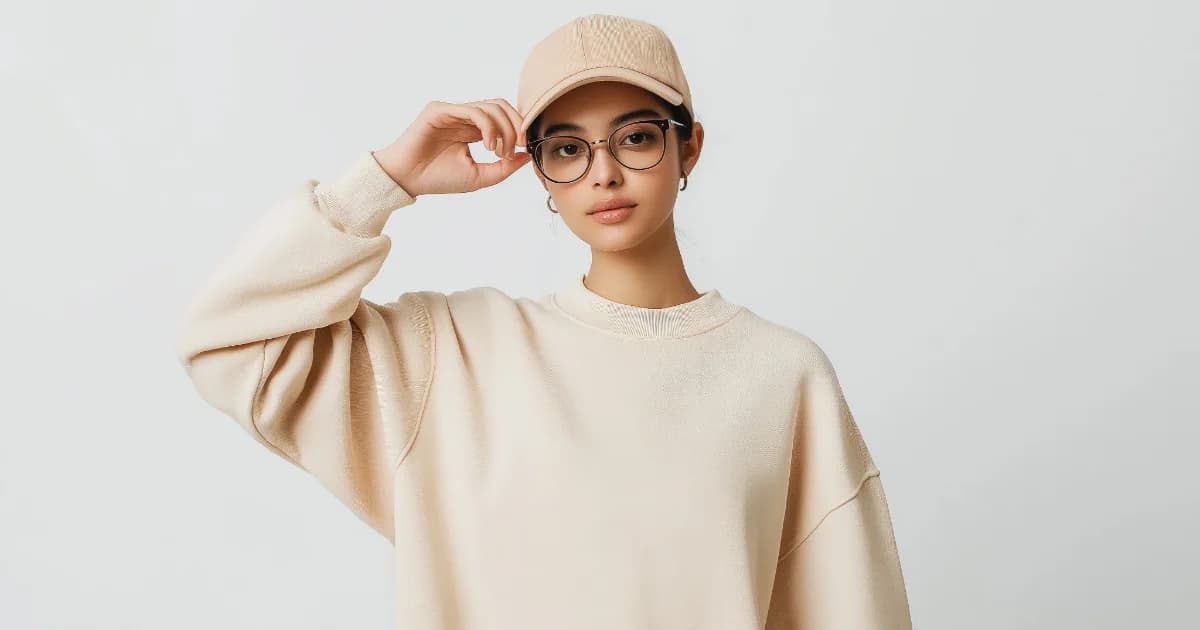
Oversized fashion has evolved from being a temporary streetwear movement into a defining element of modern Indian youth culture. Across metropolitan cities and smaller towns alike, loose silhouettes, baggy jeans, oversized hoodies, and relaxed shirts have become everyday essentials. The popularity of this fashion movement reflects more than just changing aesthetics; it represents a cultural shift toward individuality, practicality, and freedom of expression. Young Indians today are heavily influenced by global fashion The rise of oversized clothing in India also reflects changing lifestyles. College students, creators, professionals, and influencers increasingly prefer relaxed fits that suit fast-paced urban life while maintaining a strong sense of One of the biggest reasons oversized fashion remains dominant is the growing importance of comfort in daily dressing. Young consumers no longer want restrictive clothing that sacrifices movement or practicality. Relaxed silhouettes offer breathability, ease, and versatility, especially in India’s varying climate conditions. The post-pandemic era accelerated this transition significantly. People became accustomed to relaxed homewear and athleisure, and many continued prioritizing comfort even after returning to social and professional environments. Oversized T-shirts, joggers, loose denim, and roomy shirts naturally became preferred choices. Unlike heavily tailored outfits, oversized fashion creates a balance between casual aesthetics and effortless appeal. Indian youth appreciate clothing that allows them to move freely while still appearing trendy and confident. This fusion of comfort and fashion has become central to contemporary streetwear culture. Additionally, oversized garments suit multiple body types, making fashion more inclusive. Instead of following unrealistic beauty standards, young consumers are embracing clothing that enhances confidence and individuality. Platforms like Instagram, Pinterest, and YouTube have played a major role in the rise of oversized fashion in India. Fashion influencers constantly showcase relaxed streetwear looks inspired by international trends, helping oversized clothing gain mainstream appeal among Indian audiences. Digital creators frequently style oversized hoodies with cargo pants, loose denim with crop tops, or baggy shirts with sneakers. These combinations are visually appealing and easy to recreate, making them highly popular among Gen Z consumers. Fashion reels and street-style content have normalized oversized silhouettes across both men’s and women’s fashion. Viral styling videos often focus on Bollywood celebrities and musicians have also contributed to this movement. Public appearances featuring oversized jackets, relaxed co-ords, and loose-fitting casual wear have influenced young audiences to adopt similar aesthetics. Hip-hop culture in India has further strengthened the popularity of oversized streetwear, especially among urban youth. Fashion today is closely connected to identity and For many Indian youth, oversized clothing represents confidence, creativity, and rebellion against outdated fashion norms. It challenges the idea that fitted clothing is the only way to appear stylish. Instead, loose silhouettes create a bold visual identity that feels modern and authentic. Oversized fashion also supports gender-fluid styling. Many oversized garments are intentionally designed to be unisex, allowing individuals to experiment freely with their appearance. This flexibility resonates strongly with younger generations that prioritize inclusivity and individuality. The rise of thrift culture and vintage-inspired fashion has further expanded the appeal of oversized clothing. Many young shoppers intentionally search for oversized jackets, retro shirts, and loose denim because these items create a distinctive aesthetic associated with originality and artistic expression. The growth of streetwear culture in India has significantly contributed to oversized fashion becoming mainstream. International fashion movements originating from cities like Seoul, Tokyo, New York, and Los Angeles heavily influence Indian youth through digital platforms. K-pop culture, in particular, has had a strong impact on oversized fashion adoption. Korean artists frequently wear oversized blazers, baggy trousers, layered sweatshirts, and relaxed streetwear fits, inspiring millions of young fans worldwide. Indian youth increasingly incorporate these elements into their own wardrobes. Similarly, hip-hop and skate culture have popularized oversized silhouettes as symbols of confidence and urban identity. Loose hoodies, oversized graphic tees, and wide-leg pants are now staples within Indian street fashion communities. Luxury fashion brands have also embraced oversized designs on international runways, further validating the trend. High-fashion labels frequently showcase exaggerated silhouettes, proving that oversized fashion is no longer limited to casual wear but has become a major part of global fashion trends. Layering has become one of the defining characteristics of oversized fashion. Young consumers enjoy combining different pieces to create visually dynamic outfits that stand out while maintaining a relaxed aesthetic. Oversized shirts over fitted basics, loose jackets paired with cargos, and hoodies layered beneath coats are now common styling choices. These combinations allow individuals to create multiple looks using the same Layering is especially popular during seasonal transitions when lightweight jackets, flannels, and oversized sweatshirts become versatile styling options. Indian youth appreciate clothing that can adapt to changing temperatures while still looking fashionable. The appeal of layering also lies in customization. Every individual can interpret oversized fashion differently by experimenting with accessories, footwear, or proportions. This creative freedom strengthens the emotional connection people have with their outfits. One of the most important reasons oversized fashion continues to grow is its connection to gender-neutral dressing. Traditional fashion categories are gradually becoming less rigid, especially among younger generations. Oversized silhouettes naturally blur the distinction between menswear and womenswear. Loose shirts, hoodies, denim jackets, and wide-leg pants can easily be styled by anyone, regardless of gender identity. This inclusivity has made oversized fashion more accessible and culturally relevant. Indian youth increasingly prioritize authenticity over conventional appearance standards. Many consumers choose clothing based on how it feels rather than whether it fits traditional expectations. Oversized fashion supports this shift by offering versatility without limitations. Fashion brands in India are also responding to this demand by launching unisex collections focused on relaxed fits and neutral color palettes. As conversations around identity and individuality continue to evolve, oversized fashion is likely to remain at the forefront of youth culture. Another factor behind the dominance of oversized fashion is accessibility. Unlike highly structured designer clothing, oversized garments are easier to style repeatedly in different ways. A single oversized shirt or hoodie can create multiple outfit combinations, making it a practical investment. Streetwear brands, local thrift stores, online marketplaces, and independent labels have all contributed to the widespread availability of oversized fashion in India. Young shoppers can now access trendy oversized pieces across different price ranges. Thrifting culture has especially encouraged oversized clothing because vintage garments often feature naturally relaxed fits. Many young consumers intentionally purchase larger sizes to achieve an authentic oversized look while maintaining affordability. The rise of local Indian streetwear labels has further strengthened this trend. Independent brands now create collections specifically targeting Gen Z consumers who value oversized silhouettes, graphic designs, and casual urban aesthetics. Celebrities remain one of the strongest drivers of fashion adoption in India. Actors, musicians, athletes, and influencers regularly wear oversized outfits during airport appearances, music videos, interviews, and social media campaigns. Bollywood stars have embraced oversized blazers, baggy denim, and loose streetwear-inspired outfits as part of their everyday looks. Indian rappers and music artists also frequently incorporate oversized fashion into their stage identity, influencing younger audiences. International celebrities have added to this influence through digital visibility. Global stars wearing oversized streetwear create aspirational fashion imagery that quickly spreads across social media platforms. Young consumers often replicate celebrity-inspired outfits because oversized fashion feels attainable and adaptable. Even simple oversized T-shirts paired with sneakers can create a modern aesthetic associated with contemporary youth culture. Oversized fashion also aligns with growing awareness around sustainability and conscious consumption. Many consumers are moving away from fast-changing micro-trends and investing in timeless basics that remain wearable for years. Relaxed silhouettes tend to have longer fashion relevance because they are versatile and adaptable. Oversized jackets, hoodies, and shirts rarely feel outdated, making them practical additions to long-term wardrobes. Loose-fitting garments also encourage reusability and upcycling. Many young people customize oversized thrifted clothing through DIY styling, embroidery, or creative layering techniques. This sustainable approach resonates strongly with environmentally conscious consumers. As awareness around ethical fashion grows in India, oversized clothing continues gaining popularity because it combines practicality, comfort, and long-term usability without compromising style. Oversized fashion is no longer simply a passing trend. It has become deeply integrated into Indian youth identity and modern streetwear culture. The movement reflects changing attitudes toward individuality, inclusivity, and creative freedom. Future fashion trends will likely continue evolving around relaxed silhouettes, experimental proportions, and functional styling. As digital influence, streetwear culture, and sustainability continue shaping consumer preferences, oversized fashion is expected to remain highly relevant. Indian youth are increasingly drawn toward clothing that balances confidence with authenticity. Oversized fashion succeeds because it allows people to feel comfortable while expressing personality through unique styling choices. From college campuses and music festivals to influencer shoots and everyday street style, oversized fashion has become a visual representation of modern Indian youth culture. Its ability to merge comfort, layering, creativity, and self-expression ensures that its influence will continue dominating fashion conversations for years to come.The Shift Toward Comfort-Driven Fashion
Social Media and Influencer Impact
Oversized Fashion as a Form of Self-Expression
Streetwear Culture and Global Influence
The Role of Layering in Oversized Fashion
Oversized Fashion and Gender Neutrality
Affordability and Accessibility
Celebrity Influence on Indian Youth Fashion
Sustainability and Slow Fashion Appeal
The Future of Oversized Fashion in India
Why Oversized Fashion Dominates Indian Youth Culture in 2026
01 May 2026
Tags:
#oversized fashion#Indian youth fashion#streetwear India#Gen Z fashion#comfort clothing#fashion trends 2026#self-expression#layering#wardrobe essentials#casual style

Reach a Wider Audience!
Advertise with us and showcase your brand to our vast community of fashion enthusiasts. Maximize your impact by placing an ad in our magazine.