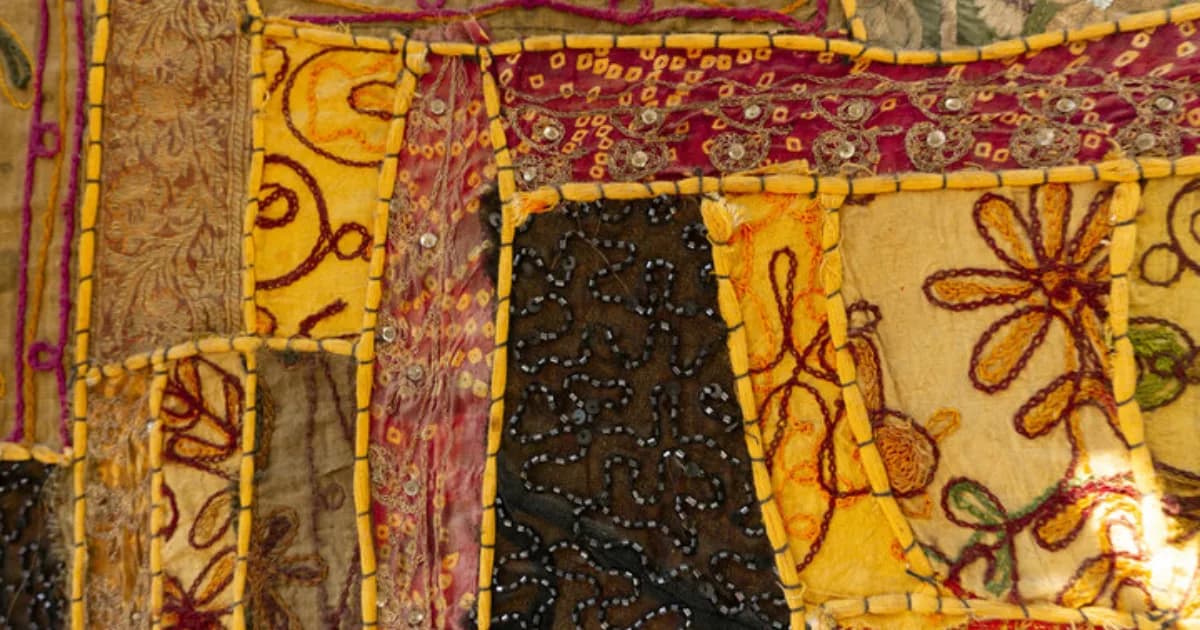
Indian fashion in 2026 is all about finding a balance between heritage and modern expression. Designers are reinterpreting familiar silhouettes, experimenting with textiles, and creating clothing that feels rooted in tradition without looking restricted by it. From everyday ethnic wear to occasion dressing, the Indian wardrobe is becoming more versatile, expressive, and conscious. What makes the year's trends particularly interesting is the way traditional craftsmanship is being placed alongside contemporary cuts, unexpected styling, and modern Traditional Indian silhouettes are getting a contemporary update in 2026. Sarees, kurtas, lehengas, anarkalis, and salwar suits continue to hold their place, but designers are playing with proportions, drapes, layering, and construction. Pre-draped sarees, structured kurtas, asymmetric hemlines, cropped blouses, and contemporary anarkalis are making traditional dressing easier to style for modern lifestyles. These pieces can move between formal occasions, celebrations, and even everyday wardrobes with the right accessories. The appeal lies in familiarity with a fresh perspective. Consumers want clothing that reflects Indian heritage while fitting naturally into their current lifestyles. In 2026, Silk, cotton, linen, organza, Chanderi, khadi, brocade, and handwoven textiles continue to inspire collections. At the same time, lightweight blends and innovative textile choices are helping traditional garments become more comfortable and adaptable. The renewed interest in textiles also highlights the cultural Indian clothing trends for 2026 show a growing appreciation for craftsmanship. Hand embroidery, zari, mirror work, block printing, weaving, beadwork, and traditional surface techniques are being incorporated into silhouettes that feel distinctly current. Rather than covering an entire garment with embellishment, designers are often using craft more intentionally. A detailed sleeve, embroidered neckline, statement border, or carefully placed motif can transform a relatively simple garment. This approach gives traditional craft a new role in contemporary fashion while helping consumers understand the significance behind the details they wear. Comfort continues to influence Indian fashion. The traditional wardrobe is becoming less formal, with relaxed silhouettes designed for movement and everyday use. Oversized kurtas, loose trousers, easy co-ord sets, relaxed shirts, tunics, and fluid dresses inspired by Indian silhouettes are becoming increasingly relevant. These pieces offer the visual character of ethnic dressing without the restrictions associated with heavily structured garments. This trend is particularly useful for younger consumers who want their wardrobes to feel versatile. A single kurta, for example, can be styled traditionally with a dupatta or given a contemporary look with sneakers, trousers, or minimal accessories. The saree remains one of India's most recognisable garments, but 2026 styling is moving beyond conventional draping. Designers and fashion enthusiasts are experimenting with belts, jackets, layered tops, contemporary blouses, and unconventional drapes. Sarees are being paired with boots, structured outerwear, oversized shirts, and modern jewellery to create looks that feel less predictable. The broader trend is about treating the saree as a flexible styling canvas rather than a garment with only one way of being worn. Indian fashion has always had a strong relationship with colour, and 2026 continues that tradition while introducing more nuanced combinations. Rich jewel tones, earthy neutrals, soft pastels, deep reds, vibrant greens, warm yellows, and metallic accents are finding their way into contemporary collections. Instead of relying on one dominant colour, designers are combining unexpected shades to create more sophisticated palettes. Neutrals are also becoming important for everyday Indian Occasion dressing is also evolving. Heavy lehengas and elaborately embellished outfits remain popular for weddings and celebrations, but consumers are increasingly looking for pieces they can wear more than once. This has encouraged designers to create separates that can be mixed and matched. A statement blouse can be styled with a different skirt, while a traditional dupatta can completely transform a simpler outfit. This shift reflects a more practical approach to fashion, where versatility and long-term wardrobe value are becoming part of the buying decision. Sustainability continues to shape conversations around Indian clothing. Consumers are becoming more interested in where garments come from, how they are made, and how long they are likely to remain useful. This has increased attention toward natural textiles, artisan-made products, small batch production, upcycling, responsible sourcing, and slower fashion cycles. Traditional Indian However, sustainable fashion is not simply about using a particular fabric. It also involves responsible production, fair working conditions, thoughtful consumption, and reducing unnecessary waste. The boundary between Indian and Western fashion is becoming increasingly fluid. Contemporary wardrobes are mixing ethnic pieces with globally familiar silhouettes to create distinctive looks. A kurta can be styled with denim, a saree can be paired with a blazer, and traditional jewellery can elevate a minimalist Western outfit. This mix and match approach gives consumers more freedom to express their personality. Indo-Western dressing is therefore less about following a fixed formula and more about creating an individual relationship between heritage and contemporary style. Perhaps the biggest Indian clothing trend for 2026 is the move toward personal expression. Consumers are increasingly choosing pieces based on how they fit their lifestyle, personality, and values rather than simply following seasonal trends. This shift is encouraging designers to create collections that offer flexibility. Traditional attire can be styled casually, occasion wear can be separated into everyday pieces, and heritage techniques can appear on contemporary garments. Ultimately, Indian fashion in 2026 is not moving away from tradition. It is showing how tradition can evolve. The most relevant designs are those that respect cultural roots while responding to modern expectations around comfort, versatility, individuality, and conscious consumption. For designers and fashion brands, the opportunity lies in understanding this balance. The future of Indian clothing is not about choosing between heritage and innovation. It is about bringing both together in ways that feel authentic, wearable, and relevant.1. Modern Takes on Traditional Silhouettes
2. Statement Fabrics Take Centre Stage
3. Craftsmanship Meets Contemporary Design
4. Relaxed Ethnic Wear for Everyday Dressing
5. Draping Gets More Experimental
6. Colours Become More Expressive
7. Occasion Wear Becomes More Versatile
8. Sustainable Practices Influence Fashion Choices
9. Indo-Western Styling Continues to Grow
10. Personal Expression Over Fashion Rules
Indian Clothing Trends 2026: Styles, Fabrics & Fashion Trends
18 August 2026
Tags:
#Indian Fashion#Indian Clothing Trends#Fashion Trends 2026#Ethnic Wear#Sustainable Fashion#Indian Attire

Reach a Wider Audience!
Advertise with us and showcase your brand to our vast community of fashion enthusiasts. Maximize your impact by placing an ad in our magazine.