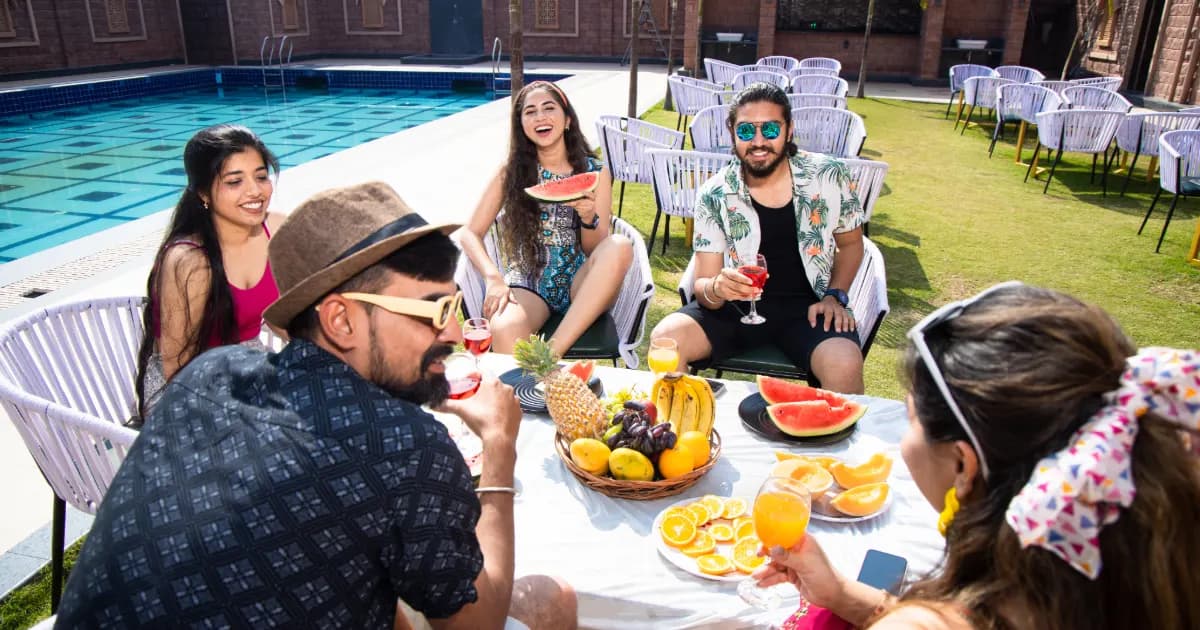
Indian summers are known for intense heat, humidity, and long sunny days that can make everyday dressing challenging. While global fashion trends continue to influence wardrobes across the country, not every trend works well in Indian weather conditions. Fashion in India requires a balance between comfort, practicality, and visual appeal, especially during the summer season when breathable fabrics and relaxed silhouettes become essential.
Over the years, Indian fashion has evolved into a more adaptable and climate-conscious industry. Modern consumers are no longer choosing outfits only based on appearance. They now prioritize comfort, airflow, versatility, and lightweight styling that can survive extreme temperatures while still looking fashionable. This shift has encouraged designers collections and local fashion brands to create summer styles specifically designed for Indian lifestyles and weather conditions.
The rise of social media and digital fashion inspiration has also changed how people approach seasonal dressing. Fashion enthusiasts across India are experimenting with effortless summer wardrobes that blend modern aesthetics with regional creativity. From oversized cotton shirts and co-ord sets to airy ethnic silhouettes and relaxed linen layers, Indian summer fashion has become more functional without losing its visual identity.
Breathable Fabrics Have Become the Foundation of Summer Fashion
One of the biggest reasons certain summer trends succeed in India is fabric choice. Heavy materials may look stylish in editorials or runway presentations, but they rarely work in everyday Indian heat. As temperatures continue rising in many parts of the country, breathable fabrics have become the foundation of practical summer styling trends.
Cotton remains one of the most preferred materials because of its lightweight feel and natural ventilation. It absorbs sweat effectively, allows better airflow, and keeps the body cooler throughout the day. Linen has also become increasingly popular among urban consumers who want a minimal yet premium summer look. Its relaxed texture and breathable quality make it ideal for both casual and semi-formal dressing.
Fashion brands are now focusing more on natural fabrics instead of synthetic materials that trap heat and create discomfort. This shift reflects changing consumer awareness around climate-friendly fashion choices and comfortable everyday wear. Summer clothing aesthetics in India are no longer centered only around appearance; functionality now plays an equally important role.
Another major factor is versatility. Breathable fabrics can easily transition between multiple settings such as office environments, casual outings, vacations, and social gatherings. This flexibility has made them essential in modern Indian wardrobes where consumers prefer investing in adaptable clothing pieces rather than occasion-specific outfits.
Oversized Silhouettes Are Dominating Urban Summer Styling
Oversized fashion has become one of the strongest summer styling trends across India, especially among younger audiences. Loose-fitting shirts, relaxed trousers, oversized t-shirts, and flowy dresses offer comfort without compromising on visual appeal. In hot weather conditions, fitted clothing often feels restrictive and uncomfortable, which is why relaxed silhouettes continue gaining popularity.
Indian consumers are increasingly choosing oversized styles because they support movement, improve airflow, and create a more effortless appearance. This trend also aligns with the growing influence of global streetwear and minimal fashion aesthetics that prioritize comfort-based dressing.
Oversized silhouettes work particularly well in Indian summers because they reduce body heat retention and feel lighter during long outdoor hours. Fashion enthusiasts frequently combine oversized shirts with linen trousers, relaxed denims, or cotton shorts to create practical yet stylish outfits suitable for daily wear.
Designers collections in India are now experimenting heavily with oversized tailoring inspired by both global fashion and traditional Indian draping techniques. Kaftan-inspired tops, loose-fit kurtas, wide-leg pants, and layered cotton sets have become common across contemporary fashion brands. This fusion of modern cuts and traditional comfort reflects the evolving nature of Indian summer fashion.
Soft Color Palettes Are Replacing Heavy Seasonal Tones
Color psychology plays a major role in summer dressing, particularly in countries with tropical climates like India. Dark shades absorb more heat, making them less practical during peak summer months. As a result, lighter and softer color palettes dominate seasonal fashion trends across the country.
Neutral tones such as beige, ivory, white, pastel blue, sage green, peach, and muted pink have become highly popular because they create a fresh and breathable visual effect. These shades not only look elegant but also help reduce heat absorption during outdoor activities.
Indian fashion consumers are increasingly embracing minimalist summer palettes instead of overly dramatic seasonal combinations. This reflects the influence of global minimalism combined with regional creativity that values subtle elegance over excessive layering or bold color contrast.
Soft color palettes also make summer wardrobes more versatile because they can be mixed easily with multiple styling combinations. Fashion enthusiasts often build capsule wardrobes around neutral tones that allow easy outfit coordination without requiring excessive effort.
Another important reason behind the popularity of soft shades is their compatibility with natural summer lighting. On social media platforms where fashion photography and reels heavily influence trends, lighter tones create cleaner and more aesthetically pleasing visuals. This digital influence has further accelerated the demand for muted summer palettes in India.
Modern Ethnic Wear Has Become More Climate-Friendly
Traditional Indian fashion has always included climate-adaptive elements, but modern summer styling has transformed ethnic wear into a more wearable everyday category. Contemporary Indian brands are redesigning classic silhouettes using lighter fabrics, simplified embroidery, and relaxed cuts suitable for extreme heat.
Modern kurta sets, cotton sarees, sleeveless ethnic co-ords, and breathable fusion wear are becoming essential parts of summer wardrobes. These outfits combine traditional identity with practical comfort, making them highly relevant for Indian consumers who want culturally connected fashion without sacrificing functionality.
Regional creativity plays a major role in shaping these evolving ethnic trends. Different parts of India contribute unique textile techniques, prints, weaving patterns, and silhouettes that adapt beautifully to warm weather conditions. Handloom cotton, mulmul fabrics, chikankari embroidery, and block prints continue influencing contemporary summer collections because of their lightweight appeal and timeless visual identity.
Consumers today are increasingly mixing ethnic and western styles to create personalized summer looks. Sneakers paired with kurtas, oversized shirts layered over saree blouses, and fusion draping techniques reflect the experimental nature of current Indian fashion culture.
This evolution has made ethnic wear more accessible to younger audiences who previously associated traditional clothing with formal occasions only. Now, climate-friendly ethnic fashion has become part of everyday summer dressing.
Functional Fashion Is Replacing Overstyled Outfits
Indian consumers are gradually moving away from heavily layered fashion during summer months. Instead of prioritizing overly complicated outfits, modern fashion audiences prefer practical styling that feels effortless and wearable throughout the day.
This shift toward functional fashion is heavily influenced by changing lifestyles. Urban professionals, creators, students, and remote workers require clothing that can adapt to multiple environments while remaining comfortable for long hours. Lightweight co-ord sets, cotton jumpsuits, relaxed trousers, and breathable dresses have become highly popular because they offer simplicity without appearing underdressed.
Fashion enthusiasts now focus more on fit, fabric, and versatility rather than excessive accessories or uncomfortable silhouettes. The idea of looking polished through minimal effort has become a strong part of modern summer clothing aesthetics.
Another important trend is layering reduction. Earlier fashion movements often promoted heavy jackets, multiple accessories, and structured layering inspired by colder international climates. However, Indian consumers now understand the importance of climate-specific styling. Summer fashion is becoming more realistic and weather-conscious rather than blindly following international trends.
This practicality has encouraged brands to create collections that support mobility, breathability, and ease of styling. Functional fashion is no longer viewed as basic or boring. Instead, it is now associated with smart dressing and modern lifestyle awareness.
Digital Fashion Culture Is Accelerating Summer Trends
Social media has transformed how Indian consumers discover and adopt summer fashion trends. Platforms like Instagram, Pinterest, and YouTube continuously influence wardrobe choices through creator-driven styling inspiration and visual storytelling.
Fashion creators now focus heavily on realistic summer outfit ideas that work in actual Indian weather instead of unrealistic editorial styling. This relatability has helped audiences become more selective about trends they choose to follow. Consumers are prioritizing outfits they can genuinely wear daily rather than fashion that exists only for aesthetic presentation.
Designers collections are also adapting to digital fashion culture by creating highly visual summer campaigns centered around breathable fabrics, minimal styling, and wearable silhouettes. Reels featuring easy summer outfit combinations, styling transitions, and seasonal wardrobe inspiration generate significant engagement among younger audiences.
Clothing aesthetics have become deeply connected to online identity. Consumers often choose outfits based on how they appear in digital content while still considering comfort for real-world wear. This balance between online presentation and offline practicality is shaping modern Indian summer fashion.
The rise of regional creators has also expanded fashion representation beyond metro cities. Influencers from different parts of India showcase climate-adaptive styling ideas influenced by local culture, weather patterns, and traditional textile practices. This diversity has made Indian summer fashion more inclusive and culturally layered.
Sustainable Summer Dressing Is Becoming More Popular
Sustainability is slowly influencing fashion decisions across India, especially among younger consumers who are becoming more conscious of fabric quality and consumption habits. Summer fashion naturally aligns with sustainability because breathable natural fabrics are often more eco-friendly than synthetic alternatives.
Consumers are increasingly investing in timeless summer staples instead of fast-moving microtrends. Linen shirts, cotton kurtas, versatile trousers, and handloom outfits are gaining popularity because they remain wearable across multiple seasons and styling combinations.
