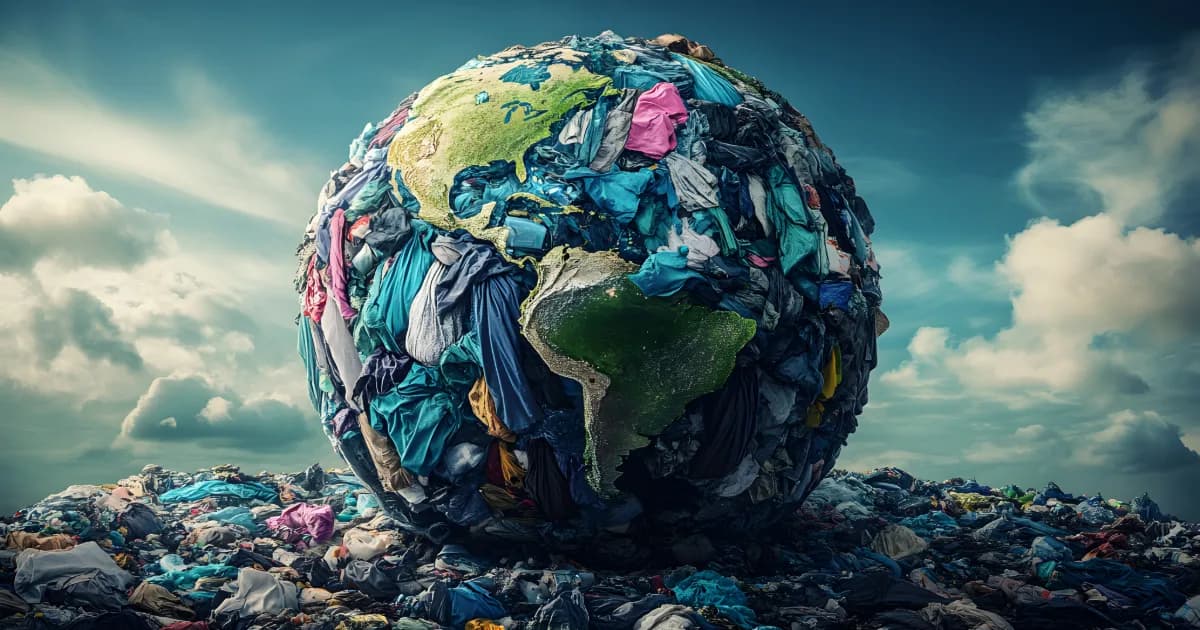
The True Cost of Fast Fashion
The allure of fast fashion lies in its speed and affordability. Every week, new collections hit the shelves and digital stores, offering trend-driven pieces at prices too tempting to resist. But behind those cheap garments lies a hidden cost — one that’s taking a devastating toll on the planet and the fashion industry itself.
Micro-trends—fleeting styles popularized by social media influencers and viral videos—have accelerated consumption habits. What once took six months to develop in a traditional fashion cycle now emerges and disappears within weeks. The pressure to produce at breakneck speed has resulted in mass production, poor labor practices, and mountains of
How Micro-Trends Are Fueling Environmental Damage
Micro-trends thrive on the fast-paced ecosystem of digital fashion, where virality determines demand. From “Barbiecore” to “cottagecore” and “quiet luxury,” these styles rise and fall almost overnight. The rapid turnover encourages brands to churn out endless batches of cheap garments, each made from low-quality, synthetic materials.
The majority of these clothes are crafted from polyester, nylon, or acrylic—all forms of plastic. When washed, these fabrics shed microplastics, which flow into waterways, contaminate oceans, and enter the food chain. A single load of laundry can release up to 700,000 microplastic fibers, making fashion one of the largest contributors to marine pollution.
Furthermore, as trends fade faster than they emerge, consumers discard clothing more quickly. The result? An exponential rise in
The Mountains of Waste No One Sees
What happens to those discarded jeans, dresses, and T-shirts after the social media trend fades? Most is dumped in developing nations, where textile waste from Western countries is shipped in bulk. Landfills in Ghana, Chile, and India are overflowing with unwanted cheap garments that are often too poor in quality to resell or recycle.
This discarded clothing doesn’t just pollute landscapes—it releases toxic dyes and chemicals into soil and groundwater. Synthetic fibers can take hundreds of years to decompose, continuously leaching
In places like the Atacama Desert in Chile, mountains of unsold textile waste are so vast they can be seen from space. The irony is painful—garments once celebrated for their brief moment in the spotlight end up haunting the planet long after the trend dies.
The Human Cost Behind the Hype
Beyond its environmental destruction, the fast fashion model thrives on human exploitation. To produce
Micro-trends exacerbate this pressure. The demand for faster production cycles forces factories to cut corners, resulting in overwork, underpayment, and neglect of safety protocols. The 2013 Rana Plaza disaster in Bangladesh, which killed over 1,100 garment workers, remains a grim reminder of what happens when profit outweighs human dignity.
Moreover,
How Microplastics Are Silently Polluting the Planet
Every time you wash a polyester shirt or a nylon dress, invisible threads known as microplastics are released. These tiny fibers, less than 5mm in length, are now found everywhere—from ocean depths to Arctic ice. Studies have even detected microplastics in human blood and lungs, underscoring their pervasive impact.
The fashion industry accounts for roughly 35% of the world’s microplastic pollution, more than ires or synthetic paints. Unlike natural fibers such as cotton or wool, synthetic fabrics don’t biodegrade—they simply break down into smaller particles that persist indefinitely.
These microplastics enter the food chain when consumed by marine organisms, eventually making their way onto our plates. In short, the same shirt you buy for a night out could end up inside your body within months.
Governments and Policy Intervention
As awareness grows, Governments worldwide are beginning to address the crisis caused by. The European Union has introduced a comprehensive textile strategy aimed at reducing
France has taken an even bolder step by banning the destruction of unsold clothing, forcing retailers to donate or recycle instead. Meanwhile, the UK has proposed an “Extended Producer Responsibility” law that requires brands to cover the cost of garment disposal.
However, enforcement remains inconsistent. Many Governments in manufacturing nations lack the resources or political will to regulate production standards effectively. Without global cooperation, the problem will persist—moving pollution and exploitation from one region to another.
The Role of Consumers: Breaking the Cycle
While Governments play a crucial role, consumers hold immense power to drive change. Every purchase made is a vote for the kind of world we want to live in. By choosing quality over quantity and supporting sustainable brands, shoppers can help dismantle the fast fashion system that thrives on waste and exploitation.
Here are a few impactful choices individuals can make:
Buy Less, Choose Better: Invest in durable, timeless pieces rather than cheap garments designed to fall apart.
Embrace Secondhand Fashion: Thrift stores and resale platforms extend a garment’s life and reduce clothing waste.
Avoid Synthetic Fabrics: Opt for natural materials like organic cotton, hemp, or linen to minimize microplastics release.
Support Ethical Brands: Prioritize labels committed to transparency, fair wages, and sustainable production.
Repair and Upcycle: Transform old clothes into new items instead of discarding them.
The rise of “slow fashion” is a growing movement that emphasizes mindful consumption, ethical labor, and sustainable materials. It’s a stark contrast to the disposable culture fueled by
Innovation and Circular Fashion Solutions
Fortunately, innovation is offering hope. Circular fashion—a model where products are designed, produced, and reused sustainably—is gaining traction. Startups and established brands alike are investing in textile recycling technologies that can break down old fabrics into raw materials for new garments.
For instance, companies are experimenting with chemical recycling to separate polyester from cotton, making it possible to create new fabrics without virgin resources. Others are exploring biodegradable alternatives that eliminate microplastics entirely.
Brands like Patagonia and Stella McCartney lead the way in promoting repair programs, take-back initiatives, and eco-friendly materials. Their efforts show that sustainability doesn’t mean sacrificing style—it means redefining it.
However, the transition to a circular economy requires collective action. Designers must prioritize longevity over speed, brands must invest in sustainable supply chains, and Governments must incentivize responsible manufacturing and penalize polluters.
The Social Media Paradox
Ironically, the same digital platforms fueling micro-trends could also help solve the problem. Influencers and fashion creators are shifting toward promoting “outfit repeating” and slow fashion principles. Hashtags like #30WearsChallenge encourage users to wear an item at least 30 times before discarding it.
Consumers are beginning to question the constant cycle of novelty and consumption. Many are embracing minimalist wardrobes and capsule collections, rejecting the idea that fashion must always mean newness. This shift in mindset—driven by conscious content—could be key to breaking the destructive loop of fast fashion and textile waste.
The Industry’s Reckoning
The fashion industry can no longer ignore the environmental and ethical fallout of its own success. The model of perpetual growth and instant gratification is unsustainable in a world facing climate change, water scarcity, and mounting clothing waste.
Leading brands are now being pressured to disclose supply chain data, reduce carbon footprints, and commit to sustainable sourcing. Meanwhile, consumers are demanding accountability and authenticity, forcing companies to rethink production practices.
The road to reform is complex, but inevitable. If Governments, industries, and individuals work together, fashion can transform from one of the world’s biggest polluters into a force for regeneration.
Toward a More Sustainable Future
The future of fashion depends on balance—between creativity and responsibility, production and preservation. Micro-trends may continue to evolve, but they don’t have to come at the planet’s expense.
The solution lies in slowing down, valuing craftsmanship, and embracing sustainable innovation. Each choice—whether it’s refusing a cheap garment, reducing textile waste, or avoiding microplastics—brings us closer to a cleaner, fairer, and more ethical fashion ecosystem.
The fast fashion era has shown us what happens when profit overshadows purpose. Now, the world must decide what comes next: a culture of waste or a future of sustainability.
