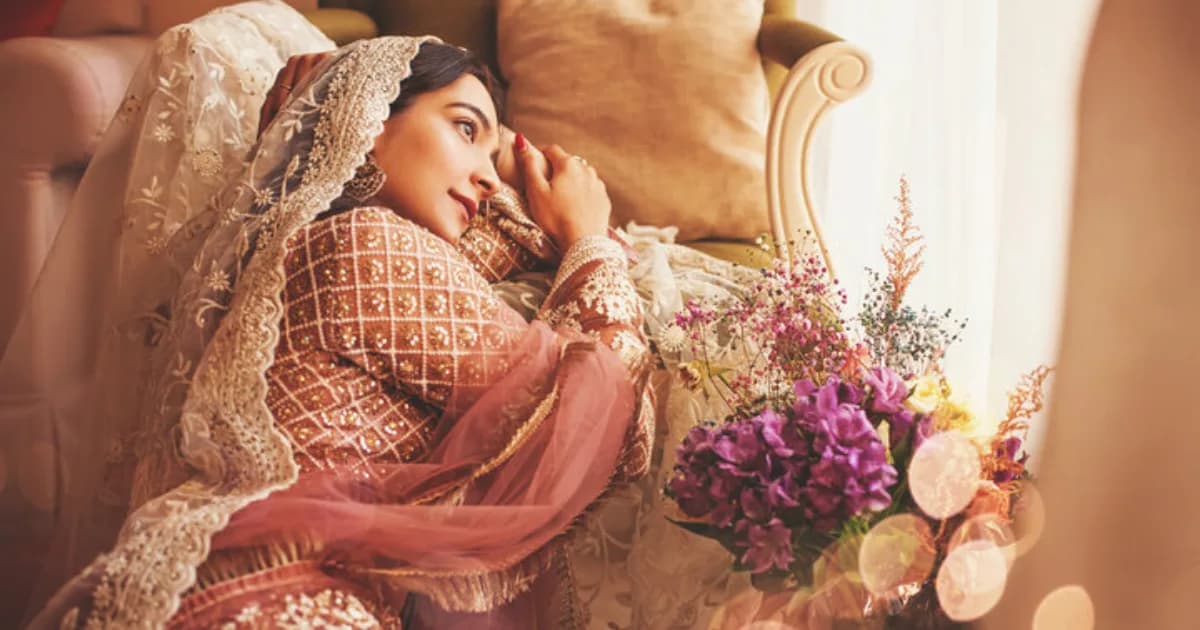
For modern brides, wedding fashion is no longer about following a single formula. The bridal wardrobe for 2026-2027 is becoming more personal, expressive, and versatile, bringing together heritage craftsmanship with contemporary styling. Brides are embracing outfits that feel rooted in culture while still reflecting their individual personalities.
From statement silhouettes to lighter fabrics, dramatic drapes and meaningful
The Return of Modern Heritage Bridalwear
Heritage inspired fashion is expected to remain a major force in bridalwear through 2026-2027. However, instead of simply recreating historic styles, designers are giving classic elements a contemporary interpretation.
Rich embroidery, zari work, antique-inspired motifs, handcrafted borders, and heritage textiles are being incorporated into streamlined silhouettes. Brides can expect to see traditional craftsmanship paired with cleaner cuts, creating outfits that feel timeless without appearing overly conventional.
This shift reflects a growing appreciation for cultural identity in bridal fashion. Brides want their wedding outfits to carry meaning, but they also want pieces they can potentially style again for future celebrations.
Statement Lehengas With Contemporary Silhouettes
The bridal lehenga continues to be a favourite, but its proportions are changing. For 2026-2027, expect to see more experimentation with volume, layering and unexpected cuts.
High-waisted skirts, sculptural blouses, asymmetrical hemlines and longer cholis can give the classic lehenga a more fashion-forward personality. Some designs are also moving away from heavily embellished skirts in favour of strategically placed embroidery.
This approach creates balance. Instead of every element competing for attention, designers are using shape and construction to make the outfit visually interesting.
For brides who prefer understated glamour, a structured blouse with a beautifully embroidered skirt can offer a sophisticated alternative to an allover embellished ensemble.
Jewel Tones Meet Softer Bridal Palettes
Red, maroon, and deep pink will always hold an important place in Indian bridalwear, but the colour palette for upcoming weddings is becoming broader.
Soft champagne, ivory, blush, dusty rose, sage, muted gold, and powder blue are gaining attention alongside deeper jewel tones. These shades allow brides to create a softer visual identity while retaining the richness associated with bridal fashion.
Pastel bridalwear is also becoming more versatile. Rather than looking overly delicate, contemporary embroidery, metallic detailing, and layered textures can add depth and
For evening ceremonies, jewel tones can create drama, while daytime weddings can benefit from airy pastels and warm neutrals.
Dramatic Dupattas Take Centre Stage
The dupatta is becoming more than an additional layer. In the 2026-2027 bridal landscape, it can serve as one of the defining elements of an outfit.
Oversized dupattas, embroidered veils, contrasting borders, and layered drapes can completely change the appearance of a lehenga or sari. Brides may also experiment with double dupatta styling, combining a lighter veil with a more heavily decorated piece.
This trend is particularly useful for brides who want to create different looks without changing their entire outfit. A new drape or statement veil can give the same ensemble a completely different personality.
Statement Accessories With Personal Meaning
Bridal accessories are becoming increasingly intentional. Instead of selecting jewellery simply because it looks elaborate, brides are choosing pieces that complement their outfit, personal style, and family traditions.
Oversized earrings, layered necklaces, maang tikas, kamarbandhs, and stacked bangles continue to make an impact. At the same time, minimalist jewellery is gaining popularity among brides who want the outfit itself to remain the focal point.
Personalisation is another important direction. Heirloom jewellery, customised pieces and designs inspired by family motifs can add emotional significance to the bridal look.
The result is a more considered approach to accessorising, where every piece contributes to the overall story.
Sarees Are Getting a Bridal Makeover
The sari is being reimagined for a new generation of brides. Designers are experimenting with pre-draped styles, sculptural pleats, statement blouses and unconventional draping techniques.
Embellished saris can provide an elegant alternative for reception ceremonies, intimate weddings and cocktail celebrations. Metallic fabrics, sequins and delicate embroidery can also transition easily from traditional ceremonies to modern evening events.
The contemporary bridal sari is particularly appealing to brides who want something sophisticated without the volume of a traditional lehenga.
Corset and Structured Blouses Continue to Influence Bridalwear
Structured blouses have become an important part of contemporary Indian bridal fashion, and their
Corset-inspired cuts, sculpted bodices, off shoulder designs, halter necks, and deep back details are being introduced alongside more classic bridal skirts and saris.
The key is balance. Designers are combining modern construction with embroidery and textile techniques associated with Indian craftsmanship. This creates a look that feels current while still respecting the cultural character of bridalwear.
Minimalism Is Finding Its Place in Wedding Fashion
Not every bride wants a heavily embellished outfit. Minimal bridal fashion is becoming increasingly relevant, particularly for intimate weddings, destination celebrations, and pre-wedding events.
Clean silhouettes, tonal embroidery, luxurious fabrics, and carefully chosen detailing can create an elevated look without excessive ornamentation.
Minimalism also allows the bride's personality to become part of the outfit. Rather than relying entirely on embellishment, the overall styling, makeup, jewellery, and silhouette work together to create impact.
Mix and Match Bridal Wardrobes
The idea of buying one outfit for one ceremony is slowly evolving. Brides are increasingly looking for versatile pieces that can be styled in multiple ways.
A heavily embroidered blouse can be paired with a different skirt for another event. A bridal sari can be restyled with a contrasting blouse. Even a dupatta can be introduced into another outfit to create a fresh look.
This shift makes bridal wardrobes more practical and gives brides greater creative freedom.
Craftsmanship Takes Priority
One of the strongest directions for 2026-2027 is a renewed focus on craftsmanship. Hand embroidery, intricate threadwork, weaving, appliqué, and artisanal detailing continue to give bridal outfits their distinctive character.
Many contemporary
For brides, this means the value of an outfit is increasingly connected to its craftsmanship and story rather than simply its visual extravagance.
Bridal Fashion Becomes More Personal
Perhaps the biggest bridal fashion trend for 2026-2027 is individuality. Brides are becoming more confident about moving beyond established rules and creating wardrobes that feel authentic to them.
A traditional red lehenga may still be the perfect choice for one bride, while another may choose an ivory sari, a pastel embroidered ensemble, or a contemporary fusion outfit. There is no single definition of the modern bride.
Wedding fashion is ultimately about celebrating a significant personal milestone. Whether a bride chooses heritage jewellery, contemporary silhouettes, statement accessories, or understated detailing, the most memorable looks are those that feel intentional.
As bridal fashion continues to evolve, the future appears to be a thoughtful blend of culture, craftsmanship, and personal expression. The
