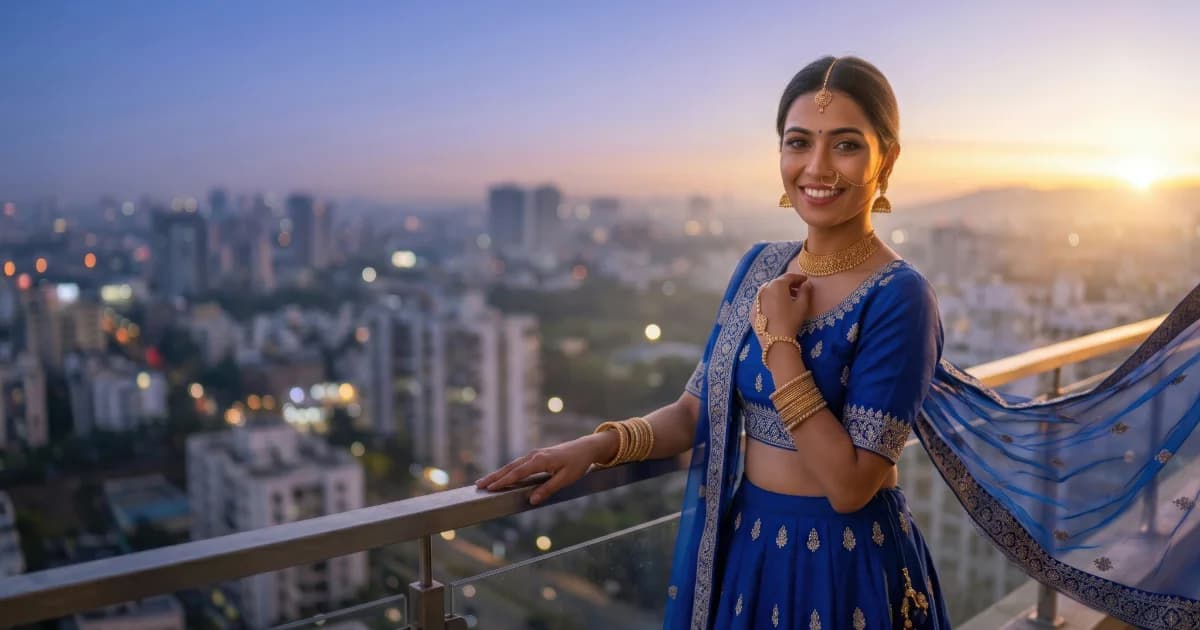
India’s fashion landscape is undergoing a remarkable transformation, driven largely by a younger generation that values both cultural heritage and contemporary expression. Unlike previous generations that often separated traditional and western fashion into distinct categories, today’s youth are seamlessly blending the two. This shift reflects a growing sense of cultural confidence, where traditional influences are not seen as outdated but as valuable elements of personal style. Across cities and smaller towns alike, young consumers are embracing garments, fabrics, and design elements rooted in Indian heritage while adapting them to modern lifestyles. Social media, global exposure, and evolving consumer preferences have created an environment where fashion is no longer about choosing between tradition and modernity. Instead, it is about creating a unique identity that celebrates both. One of the most significant developments in Indian fashion is the reinvention of traditional attire. Ethnic wear has evolved beyond ceremonial occasions and now plays an important role in everyday dressing. Designers are reimagining classic garments with contemporary cuts, lighter fabrics, and versatile styling options that appeal to younger consumers. The modern Brands are also responding to changing consumer preferences by creating collections that blend functionality with cultural significance. Traditional-inspired clothing now includes minimalist designs, contemporary silhouettes, and innovative fabric choices that suit modern needs. This approach allows young consumers to express their cultural roots without sacrificing comfort or convenience. Digital platforms have become powerful forces in shaping fashion trends. Social media has given young people access to a diverse range of styles, allowing them to explore and experiment with new ways of dressing. Fashion influencers, bloggers, and content creators frequently showcase fusion looks that combine traditional and western elements, inspiring millions of followers. These platforms have also contributed to the growing popularity of regional craftsmanship and indigenous textiles. By highlighting handmade fabrics, traditional embroidery techniques, and local design traditions, creators are helping audiences appreciate the artistry behind Indian fashion. This visibility has encouraged many young consumers to incorporate cultural elements into their wardrobes. Emerging Artists have played a particularly important role in this movement. Through music videos, digital campaigns, and social media content, they showcase culturally inspired fashion in creative and relatable ways. Their influence has helped make traditional aesthetics appealing to younger audiences, including Gen Z, who value authenticity and individuality in their style choices. The rise of digital communities has also created opportunities for niche fashion trends to gain mainstream attention. Styles that once belonged to specific regions or communities are now reaching national and international audiences. As a result, cultural fashion has become more accessible and widely appreciated than ever before. The growing prominence of Many Fashion shows feature garments crafted using traditional embroidery, handloom fabrics, and artisanal techniques. However, these elements are often presented through modern silhouettes and styling approaches that resonate with younger audiences. This creative reinterpretation allows traditional fashion to remain relevant in an increasingly globalized market. Designers frequently introduce updated versions of the Kurti, incorporating asymmetrical cuts, bold layering techniques, and modern detailing. These innovations demonstrate how traditional garments can evolve without losing their cultural significance. The result is a fashion landscape that values heritage while encouraging experimentation. Beyond showcasing Fashion choices for weddings have changed dramatically over the past decade. Younger consumers increasingly seek outfits that honor family traditions while reflecting their personal tastes. This has created demand for customized ensembles that blend classic craftsmanship with contemporary design elements. Modern The influence of traditional fashion extends far beyond special occasions. Ethnic-inspired clothing has become a regular part of daily wardrobes, thanks to its adaptability and comfort. Lightweight fabrics, practical designs, and versatile styling options have made traditional garments suitable for a variety of settings. The contemporary Kurti continues to be a popular choice for individuals seeking a balance between tradition and modernity. Whether worn in professional environments or casual social settings, it offers a simple yet stylish way to incorporate cultural elements into everyday fashion. This adaptability has helped traditional wear maintain its relevance in fast-paced urban lifestyles. As consumer awareness continues to evolve, the future of Indian fashion appears increasingly focused on balance rather than replacement. Young people are embracing styles that honor cultural heritage while remaining open to global influences. This approach reflects a broader understanding that tradition and innovation can coexist successfully. The influence of Global exposure has further accelerated the rise of cultural fusion. Through travel, digital media, and international fashion trends, Indian youth are discovering new ways to reinterpret traditional aesthetics. This has resulted in a style language that feels both distinctly Indian and globally connected. At the same time, sustainability is becoming an increasingly important consideration. Consumers are showing greater appreciation for handcrafted garments, artisan-made products, and locally sourced materials. This renewed interest supports traditional craftsmanship while promoting more responsible fashion practices. Collaborations between Artists, designers, and artisan communities are helping preserve cultural techniques while introducing them to new audiences. Their efforts demonstrate that heritage and innovation are not opposing forces but complementary elements of a vibrant fashion ecosystem. The continued popularity of Fashion shows, the evolving role of the Kurti, and the growing demand for culturally inspired clothing all point toward a future where Indian fashion remains deeply connected to its roots. As Gen Z continues to shape consumer preferences and Ultimately, young Indians are proving that fashion can be both modern and meaningful. By embracing heritage while adapting it to contemporary lifestyles, they are creating a new definition of style—one that celebrates cultural pride, individuality, and innovation in equal measure.The Rise of Cultural Confidence in Modern Fashion
Traditional Wear Finds a Modern Voice
Social Media and Digital Influence on Style Choices
Fashion Events Driving Cultural Innovation
Celebrations, Weddings, and Everyday Style
The Future of Indian Fashion Fusion
How Young Indians Are Blending Tradition and Trend
16 June 2026
Tags:
#Indian fashion#youth fashion trends#traditional wear#modern style#cultural fashion#Gen Z fashion#Fashion shows#Artists#Kurti trends#contemporary clothing

Reach a Wider Audience!
Advertise with us and showcase your brand to our vast community of fashion enthusiasts. Maximize your impact by placing an ad in our magazine.