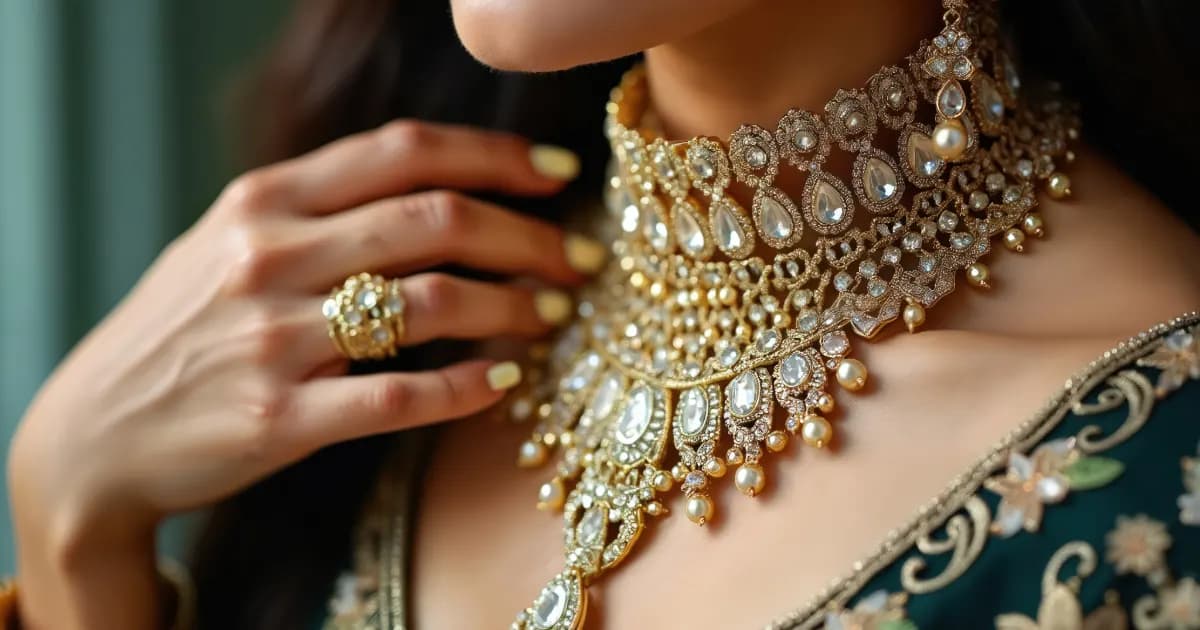
Jewellery has always played a significant role in fashion. It enhances
When jewellery complements an outfit well, the entire appearance feels more polished and coordinated. On the other hand, mismatched accessories can sometimes distract from the clothing rather than enhance it. Understanding how to select jewellery based on clothing type, color, occasion, and lifestyle helps create a refined and confident look.
Jewellery styling has evolved significantly over time. Today, people are more interested in using accessories as a form of
Learning how to match jewellery with outfits allows individuals to build a consistent style identity while maintaining flexibility for different occasions.
Understanding the Relationship Between Jewellery and Clothing
Jewellery and clothing should work together rather than compete with each other. The goal is to create harmony between what you wear and the accessories you choose.
Every outfit has a visual focus. Sometimes the clothing itself is bold and detailed, while other times the outfit is simple and minimal. Jewellery should support this visual balance.
For example:
Simple clothing can be enhanced with statement jewellery.
Detailed clothing often pairs better with subtle accessories.
Balanced outfits may include a combination of minimal and standout jewellery pieces.
When jewellery and clothing complement each other, the result is a cohesive style that looks thoughtful and intentional.
Fashion experts often suggest considering the entire look rather than selecting jewellery separately from clothing.
Choosing Jewellery Based on Outfit Style
Different outfits require different jewellery approaches. Understanding the
Casual Outfits
Casual clothing is usually comfortable and relaxed. Jewellery for casual looks should follow the same idea.
Suitable options include:
Minimal necklaces
Simple bracelets
Small earrings
Lightweight rings
These accessories enhance the outfit without making it appear overly formal.
Casual styling focuses on comfort and practicality while still maintaining elegance.
Professional or Work Outfits
Professional clothing often reflects structure, confidence, and organization. Jewellery in these settings should remain refined and balanced.
Good choices include:
Elegant studs or small earrings
Delicate necklaces
Classic watches
Minimal bracelets
Professional jewellery should complement clothing while maintaining a polished and confident appearance.
This type of styling reflects professionalism and attention to detail.
Formal Outfits
Formal clothing often includes dresses, evening wear, or elegant attire for special occasions. Jewellery for formal outfits can be more expressive and glamorous.
Popular options include:
Statement necklaces
Elegant earrings
Gemstone jewellery
Coordinated sets
Formal jewellery should highlight the outfit while adding sophistication.
Choosing the right accessories can transform a simple formal outfit into a standout look.
Matching Jewellery with Outfit Colors
Color coordination is an important part of styling jewellery with clothing. The colors in an outfit influence which jewellery pieces will look best.
Certain metals and
Gold jewellery often pairs well with warm tones such as:
Beige
Brown
Red
Orange
Earth tones
Silver jewellery works beautifully with cooler shades such as:
Blue
Grey
White
Black
Pastel colors
Understanding color harmony helps create a balanced and visually appealing look.
Gemstone jewellery also adds color accents that can match or contrast with clothing effectively.
When colors work together, the entire outfit appears more cohesive and stylish.
Considering Necklines When Choosing Jewellery
Necklines play a major role in determining which jewellery pieces will look best. The shape of clothing around the neck influences the type of necklace or accessory that should be worn.
For example:
V-neck clothing pairs well with pendant necklaces.
High neck outfits work better with statement earrings instead of necklaces.
Strapless or off-shoulder outfits allow for bold necklaces.
Round neck clothing often matches shorter chains or layered necklaces.
Understanding these relationships helps ensure jewellery enhances clothing rather than overlapping awkwardly.
This small styling detail can make a significant difference in overall appearance.
Balancing Statement Pieces with Minimal Style
One of the most important principles in jewellery styling is balance. When an outfit includes a bold accessory, other elements should remain simple.
For instance:
If wearing statement earrings, it may be better to skip a necklace.
If the necklace is bold, earrings should remain minimal.
If clothing already includes strong patterns, jewellery should be subtle.
This approach prevents the look from becoming overwhelming.
Minimal styling combined with a single standout piece often creates a sophisticated and modern appearance.
Balance is a key element of good fashion sense.
Understanding Materials in Jewellery
The material used in jewellery plays an important role in how it matches an outfit. Different materials create different impressions and styles.
Common jewellery materials include:
Gold
Silver
Platinum
Pearls
Gemstones
Mixed metals
Each material carries a different aesthetic. For example, pearls often create a classic and elegant appearance, while mixed metals may reflect a modern style.
Matching jewellery material with clothing texture can enhance the overall look.
For example, soft fabrics often pair well with delicate jewellery, while structured clothing may suit bold accessories.
Material selection contributes to the overall harmony between jewellery and clothing.
Cultural Influences in Jewellery Styling
Jewellery has deep connections with
Cultural jewellery often includes:
Unique craftsmanship
Traditional patterns
Symbolic designs
Distinct materials
These elements can add meaning and personality to an outfit.
When jewellery reflects cultural heritage, it often carries emotional value beyond fashion.
Modern styling frequently blends traditional jewellery with contemporary clothing, creating a unique and meaningful look.
This fusion of cultures continues to influence global fashion trends.
Jewellery as a Form of Empowerment
Jewellery can also represent empowerment and confidence. Many individuals choose accessories that reflect their identity, achievements, or personal milestones.
Wearing jewellery intentionally can:
Boost confidence
Enhance personal style
Reflect individuality
Strengthen self-expression
This idea has become increasingly important in modern fashion.
Jewellery is no longer just decorative; it is often connected to
People are now selecting pieces that align with their values, preferences, and experiences.
This shift has made jewellery styling more meaningful and personal.
Matching Jewellery with Different Clothing Patterns
Clothing patterns also influence jewellery choices. Patterns can be bold, subtle, or intricate, and jewellery should complement them accordingly.
For example:
Plain clothing allows more flexibility with jewellery.
Patterned clothing usually pairs better with simpler accessories.
Textured fabrics often work well with delicate jewellery.
These combinations help maintain balance in an outfit.
Understanding patterns helps create a more thoughtful and polished look.
This styling approach ensures jewellery enhances clothing rather than competing with it.
Lifestyle and Practical Jewellery Choices
Lifestyle plays an important role in choosing jewellery that matches outfits. People with busy schedules may prefer versatile pieces that work across different settings.
Practical jewellery choices may include:
Lightweight accessories
Durable materials
Simple designs
Everyday wear pieces
These items can easily transition from casual to professional settings.
Lifestyle-based jewellery choices ensure comfort while maintaining style.
Fashion today is increasingly focused on practicality alongside aesthetics.
Layering Jewellery with Outfits
Layering jewellery is a modern trend that allows individuals to create unique combinations.
Layering may include:
Multiple necklaces
Stacked rings
Layered bracelets
Ear stacking
However, layering should still maintain balance with clothing.
When done correctly, layered jewellery can enhance even simple outfits.
This technique allows more creativity in styling while keeping the look elegant.
Seasonal Jewellery Styling
Seasons can also influence jewellery choices. Different materials and designs suit different weather conditions and clothing styles.
For example:
Summer outfits often match lightweight jewellery.
Winter clothing pairs well with bold accessories.
Spring styles may include colorful gemstone jewellery.
Autumn fashion often suits warm-toned materials.
Seasonal styling helps create a harmonious fashion appearance.
This approach reflects awareness of both clothing and environmental context.
Building a Jewellery Collection That Works with Your Wardrobe
Creating a jewellery collection that matches your wardrobe helps simplify styling decisions. Instead of buying random pieces, selecting jewellery that complements clothing can make outfit planning easier.
A balanced jewellery collection may include:
Everyday minimal pieces
Statement accessories
Classic designs
Versatile materials
This approach ensures that jewellery can be styled across different outfits and occasions.
Over time, this method helps build a cohesive style identity.
Fashion becomes easier when accessories work naturally with clothing choices.
Jewellery styling is ultimately about creating harmony between clothing, materials, personal style, and lifestyle choices. When accessories are selected thoughtfully, they enhance outfits, reflect empowerment, and bring together influences from different cultures to create a balanced and stylish appearance that feels both meaningful and confident.
