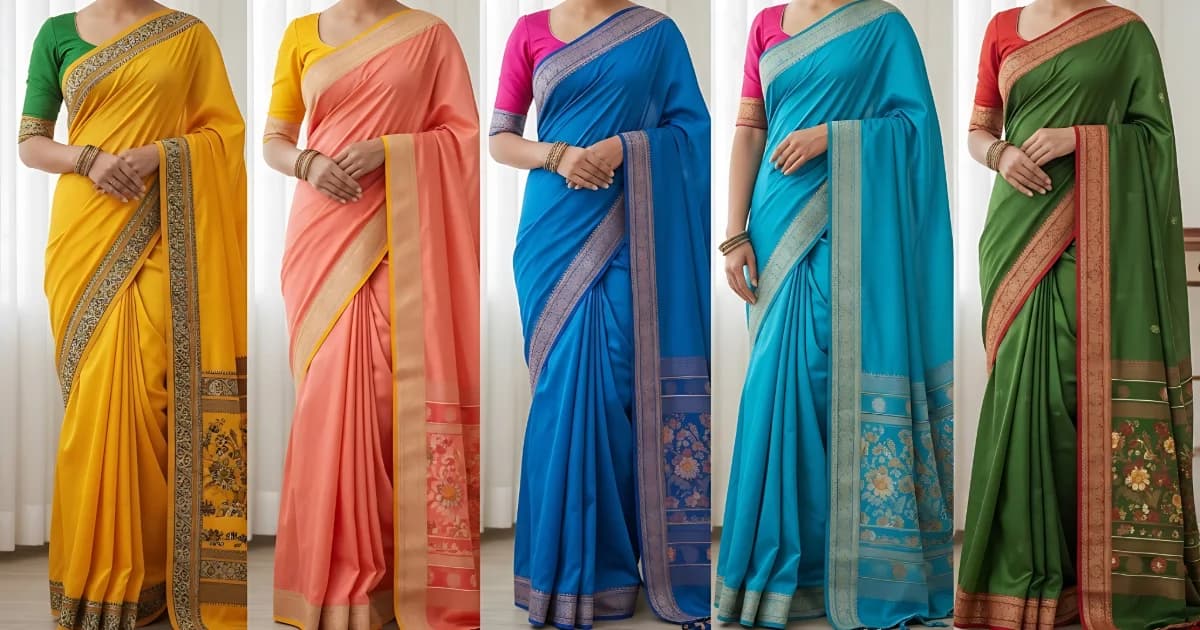
Fashion in India has always balanced between tradition and innovation. Among the many transformations in ethnic wear, the rise of pre-draped sarees stands out as one of the most influential changes in recent years. What was once considered a garment requiring patience, precision, and experience has now evolved into a modern fashion essential that blends elegance with convenience. Pre-draped sarees have transformed the way women experience traditional clothing. They preserve the The popularity of pre-draped sarees is not simply a passing trend. It reflects changing fashion priorities, faster lifestyles, and a growing desire to combine For centuries, the saree has represented grace, identity, and cultural heritage in India. Different regions developed unique draping styles, fabrics, and weaving traditions that reflectedlocal artistry and customs. Whether it was the Banarasi saree of North India or the Kanjeevaram silk of the South, every variation carried historical and emotional significance. However, traditional draping often required time and skill. Pleating the fabric correctly, pinning it securely, and styling it elegantly could be challenging, especially for younger generations unfamiliar with conventional draping techniques. As urban lifestyles became faster and more dynamic, fashion designers recognized the need for innovation. Women wanted ethnic wear that maintained cultural authenticity while fitting into modern schedules. This demand gave birth to pre-draped sarees, a revolutionary concept that simplified styling without compromising beauty. The modern pre-draped saree eliminated many of the complications associated with traditional draping. With stitched pleats, structured silhouettes, and easy-to-wear designs, it allowed women to achieve a polished look within minutes. One of the strongest reasons behind the success of pre-draped sarees is convenience. Modern consumers increasingly prioritize clothing that saves time while still looking elegant. In today’s fast-moving world, fashion must adapt to practicality. Traditional sarees often require assistance or repeated adjustments during long events. Pre-draped sarees solve this issue by offering ready-made structures that remain secure and comfortable throughout the day. Women attending weddings, parties, corporate events, and fashion gatherings now prefer outfits that allow easy movement and confidence. Pre-draped sarees provide exactly that. They are quick to wear, lightweight in many cases, and require minimal styling effort. This convenience factor has especially appealed to younger audiences who admire ethnic fashion but may not have learned traditional draping methods. Instead of abandoning sarees altogether, they found an accessible alternative that keeps the garment relevant in contemporary wardrobes. The influence of Bollywood on Indian fashion is undeniable. Celebrities and stylists played a crucial role in popularizing pre-draped sarees across India and international markets. Leading actresses began appearing in experimental saree silhouettes featuring structured pleats, attached pallu designs, cape details, belts, and gown-inspired drapes. These modern interpretations instantly captured public attention. Designers showcased pre-draped sarees at award shows, destination weddings, fashion weeks, and luxury campaigns. Social media amplified these appearances, turning the style into a mainstream trend almost overnight. The fusion of traditional aesthetics with modern tailoring made these sarees visually striking. Women saw them as an opportunity to Bollywood also helped redefine the saree as youthful and glamorous rather than purely traditional. This shift significantly contributed to the growing popularity of pre-draped designs among millennials and Gen Z audiences. Pre-draped sarees became popular because they perfectly align with the growing demand for fusion fashion. Modern consumers no longer strictly separate Western and traditional styles. Instead, they embrace clothing that combines elements of both worlds. Designers began experimenting with unconventional blouses, jumpsuit sarees, pant sarees, corset-inspired The addition of structured tailoring enhanced the garment’s versatility. Women could now wear sarees at cocktail parties, business events, and modern celebrations without feeling overdressed or uncomfortable. This fusion approach also allowed designers to introduce contemporary cuts that flatter different body types and celebrate natural The result is a garment that feels modern yet deeply connected to Indian heritage. Instagram, Pinterest, and fashion influencer culture significantly contributed to the rise of pre-draped sarees. Social media platforms thrive on visually appealing fashion, and pre-draped sarees offer exactly that. Fashion influencers began showcasing innovative saree styles that looked luxurious yet wearable. Tutorials, styling videos, and celebrity-inspired looks encouraged women to experiment with ethnic fashion in new ways. The digital era also increased exposure to designer collections and emerging fashion labels. Women from smaller cities and global audiences could easily discover trending saree styles online. Pre-draped sarees became highly shareable because they photograph beautifully. Their structured designs, dramatic silhouettes, and modern styling created strong visual appeal for social media content. As a result, the saree evolved from a traditional occasion outfit into a statement fashion piece suitable for contemporary digital culture. Fashion today is heavily influenced by comfort. Consumers are no longer willing to sacrifice ease for appearance. This change in mindset played a major role in the success of pre-draped sarees. Unlike heavily layered traditional drapes that may loosen during movement, pre-draped sarees provide stability and flexibility. Many designs incorporate stretch fabrics, lightweight materials, and adjustable fits that improve wearability. This makes them especially attractive for destination weddings, receptions, cocktail parties, and long festive celebrations where mobility matters. Women appreciate outfits that allow them to dance, socialize, travel, and move confidently without constant adjustments. Pre-draped sarees fulfill these expectations while still delivering glamour and sophistication. The focus on comfort has transformed consumer expectations across the fashion industry, and pre-draped sarees represent this evolution perfectly. Indian designers deserve significant credit for turning pre-draped sarees into a fashion revolution. They introduced creative interpretations that expanded the possibilities of ethnic wear. Some designers incorporated dramatic ruffles and sculptural pleats, while others embraced minimalist aesthetics with clean cuts and monochrome palettes. Experimental fabrics like satin, organza, metallic textures, and shimmer materials further modernized the garment. Designers also revived This balance between innovation and heritage made pre-draped sarees appealing to both traditional consumers and fashion enthusiasts seeking originality. By transforming the saree into a versatile statement piece, designers ensured its relevance in an increasingly globalized fashion landscape. Another reason behind the popularity of pre-draped sarees is empowerment. Fashion today is deeply connected to self-expression, identity, and confidence. Women want clothing that reflects independence while honoring cultural roots. Pre-draped sarees allow them to embrace traditional aesthetics without feeling restricted by outdated expectations. These sarees also reduce the intimidation often associated with wearing traditional garments. Women who previously avoided sarees because of draping difficulties now feel more confident experimenting with ethnic fashion. The ability to wear a saree independently without assistance contributes to a sense of freedom and convenience. It transforms the saree from a complicated garment into an accessible style statement. In many ways, pre-draped sarees symbolize the modern Indian woman rooted in heritage yet open to innovation. Indian fashion has gained increasing recognition on global runways, and pre-draped sarees played a role in making traditional silhouettes more internationally accessible. Global audiences appreciate garments that combine cultural richness with contemporary practicality. Pre-draped sarees fit naturally into luxury fashion markets because they offer elegance with simplified styling. International celebrities, stylists, and influencers have also embraced modern saree interpretations for red carpet appearances and editorial shoots. This exposure elevated the saree from regional attire to a globally admired fashion statement. The adaptability of pre-draped designs makes them easier for non-Indian audiences to wear and understand. As global fashion increasingly celebrates cultural diversity, pre-draped sarees continue to bridge tradition and modernity beautifully. The growing popularity of pre-draped sarees indicates that they are more than a temporary trend. They represent the future of adaptable ethnic fashion. As fashion technology and design innovation continue to evolve, sarees will likely become even more experimental and personalized. Designers may incorporate sustainable fabrics, customizable fits, and multifunctional styling into future collections. Consumers are increasingly seeking clothing that reflects individuality while remaining practical. Pre-draped sarees successfully meet both demands. Their ability to preserve timeless Indian heritage while adapting to modern lifestyles ensures their continued relevance across generations. The revolution of pre-draped sarees ultimately proves that fashion evolves most successfully when it respects tradition while embracing change.The Evolution of the Traditional Saree
Convenience Became the Biggest Luxury
Bollywood Played a Major Role
Fusion Fashion Redefined Ethnic Wear
Social Media Accelerated the Trend
Comfort Changed Consumer Preferences
Designers Reinvented the Saree Aesthetic
Pre-Draped Sarees Empower Modern Women
Global Fashion Accepted Indian Drapes
Why Pre-Draped Sarees Became a Fashion Revolution in Modern India
19 May 2026
Tags:
#Pre-Draped Sarees#Indian Fashion#Saree Trends#Modern Saree Style#Fashion Revolution#Contemporary Ethnic Wear#Designer Sarees#Timeless Fashion#Heritage Style#Bollywood Fashion

Reach a Wider Audience!
Advertise with us and showcase your brand to our vast community of fashion enthusiasts. Maximize your impact by placing an ad in our magazine.