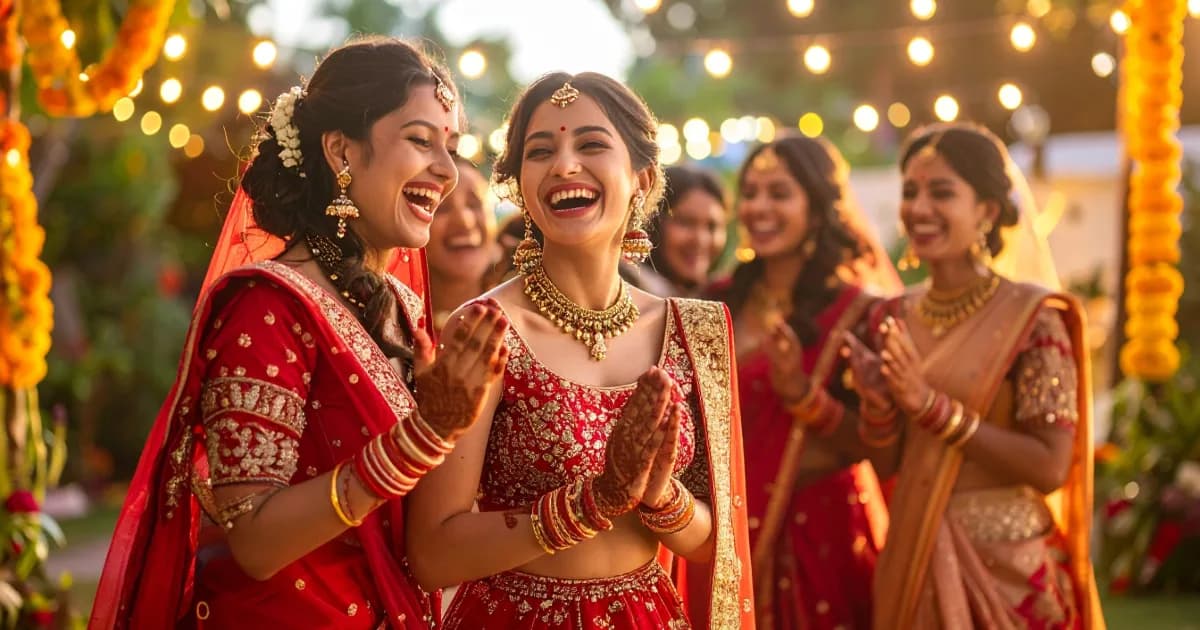
Indian weddings have always been known for their grandeur, rich traditions, and deeply emotional celebrations. In 2026, bridal fashion in India continues to evolve with a strong blend of heritage craftsmanship and contemporary design aesthetics. Modern brides are no longer choosing outfits based only on tradition or family expectations. They are curating wedding wardrobes that reflect personality, comfort, elegance, and individuality.
The Indian bridal industry has transformed significantly over the past few years due to social media influence, celebrity weddings, designer innovation, and changing lifestyle preferences. Brides today are more involved in every aspect of styling, from selecting color palettes to customizing silhouettes and experimenting with unconventional fashion choices.
While traditional red lehengas still remain timeless, bridal fashion in 2026 embraces softer tones, minimalist embroidery, modern cuts, sustainable fabrics, and versatile styling. The focus has shifted from excessive heaviness toward balanced luxury that feels visually sophisticated while remaining practical for long celebrations.
Fashion designers are increasingly creating bridal collections that celebrate cultural identity while adapting to global fashion trends. This fusion has allowed Indian bridal fashion to become one of the most influential segments within global wedding style.
Pastel Lehengas Continue to Dominate Bridal Fashion
Pastel bridal lehengas remain one of the strongest wedding trends in 2026. Shades such as blush pink, ivory, champagne gold, powder blue, sage green, and muted lavender have become increasingly popular among modern brides seeking softer and more elegant aesthetics.
The rise of pastel bridal wear reflects changing fashion preferences among younger generations. Brides are now prioritizing subtle sophistication instead of extremely bright or heavily contrasting color combinations. Pastel tones create a dreamy visual effect that photographs beautifully during both daytime and evening celebrations.
Many designers are combining delicate embroidery, floral threadwork, sequins, and pearl embellishments to enhance the elegance of these softer color palettes. The result is bridal wear that feels luxurious without appearing overwhelming.
Pastel fashion has also influenced the
The popularity of destination weddings has further encouraged lighter and more breathable bridal fashion choices. Pastel lehengas often feel more versatile and practical for outdoor ceremonies, beach weddings, and intimate luxury celebrations.
Minimalist Bridal Fashion Is Rising
One of the biggest shifts in Indian bridal fashion is the rise of minimalist elegance. Modern brides are increasingly moving away from excessively layered outfits and extremely heavy embellishments.
Minimalist bridal fashion focuses on refined craftsmanship, clean silhouettes, and subtle detailing rather than dramatic ornamentation. Structured lehengas, monochrome embroidery, lightweight dupattas, and elegant draping styles are becoming more desirable among fashion-conscious brides.
This trend reflects broader lifestyle changes where comfort and versatility are valued alongside beauty. Brides now prioritize outfits that allow easier movement throughout wedding functions without compromising sophistication.
Many
Minimalist bridal fashion also aligns with sustainability-focused consumer behavior. Brides increasingly prefer timeless outfits that can be repurposed or restyled for future events rather than garments designed for a single use.
This shift demonstrates how bridal fashion is becoming more intentional and personally meaningful rather than solely focused on traditional expectations.
Modern Blouse Designs Are Transforming Bridal Looks
Blouse design has become one of the most experimental aspects of bridal styling in 2026. Modern Indian brides are moving beyond conventional cuts and exploring contemporary silhouettes that blend glamour with individuality.
Corset blouses, off-shoulder designs, cape sleeves, halter necks, sheer detailing, and sculpted silhouettes are increasingly appearing in bridal collections. These modern elements give traditional lehengas and sarees a more fashion-forward appearance.
Brides are also experimenting with layering concepts such as detachable sleeves, embroidered jackets, and structured overlays that allow outfit transformations across different wedding functions.
The popularity of fusion bridal styling reflects the influence of global fashion culture on Indian weddings. Designers are now blending Western tailoring techniques with traditional Indian embroidery to create fresh and innovative bridal aesthetics.
This balance between
The evolution of blouse design highlights how Indian bridal fashion continues adapting to changing beauty standards and creative experimentation.
Sustainable Bridal Fashion Is Becoming Important
Sustainability has become an increasingly important conversation within the wedding industry. In 2026, many Indian brides are making conscious fashion choices that prioritize ethical production, handcrafted artistry, and long-term usability.
Sustainable bridal fashion includes the use of organic fabrics, handwoven textiles, recycled materials, and locally sourced craftsmanship. Designers are also creating modular bridal outfits that can be restyled into lighter garments after the wedding.
Rental bridal fashion is becoming more accepted as well, especially among younger urban consumers who prefer practical and environmentally responsible alternatives. Brides are now considering the environmental impact of large-scale wedding consumption more seriously than before.
Traditional Indian craftsmanship plays a major role in sustainable bridal trends. Techniques such as chikankari, zardozi, handloom weaving, and regional embroidery are being preserved through conscious designer collaborations.
Supporting artisans and heritage craftsmanship has become a meaningful part of modern bridal fashion decisions. Many brides now view wedding attire as an opportunity to celebrate culture while supporting ethical fashion practices.
The increasing awareness of fashion waste and carbon-conscious lifestyles is encouraging the industry to adopt more responsible production methods.
Statement Dupattas Are Taking Center Stage
While bridal silhouettes are becoming more minimalist, statement dupattas are emerging as one of the strongest focal points in wedding styling. Brides are using heavily detailed dupattas to add grandeur and personality to relatively understated lehengas.
Embroidered borders, handcrafted motifs, pearl detailing, sequins, mirror work, and personalized text embroidery are all trending in 2026 bridal fashion.
Double dupatta styling continues to remain popular, especially for North Indian weddings. However, modern draping techniques are making these looks feel more contemporary and wearable.
Some brides are choosing contrasting dupatta colors to create visual depth within monochromatic bridal outfits. Others prefer soft tonal layering that creates a more romantic and elegant appearance.
The dupatta has become more than a traditional accessory. It now serves as a key styling element capable of transforming the overall bridal aesthetic.
This renewed focus on draping and layering reflects the growing importance of visual storytelling in modern weddings.
Fusion Bridal Wear Is Expanding
Fusion bridal fashion is becoming increasingly popular among women who want unique wedding looks that combine traditional Indian aesthetics with global fashion influences.
Contemporary saree gowns, jacket lehengas, structured capes, draped skirts, and bridal jumpsuits are gaining attention within modern wedding culture. These designs appeal especially to brides hosting destination weddings, cocktail parties, and intimate ceremonies.
Fusion bridal fashion allows greater flexibility while still maintaining cultural relevance. Brides are experimenting more confidently with silhouettes that reflect both heritage and modern identity.
The influence of Asian cultures and international luxury fashion has also shaped Indian bridal trends significantly. Designers are incorporating elements inspired by global couture while preserving Indian craftsmanship traditions.
Modern bridal fashion is no longer limited to one specific aesthetic category. Instead, it embraces diversity in styling preferences and personal narratives.
This evolution reflects how contemporary
Jewelry Trends Are Becoming More Personalized
Jewelry continues to remain an essential part of Indian bridal fashion, but styling preferences are evolving noticeably in 2026. Brides are now focusing more on personalization and balanced accessorizing instead of excessively heavy jewelry layering.
Polki sets, uncut diamonds, temple jewelry, emerald pieces, and vintage-inspired heirloom accessories remain highly desirable. However, many brides are choosing fewer statement pieces rather than overwhelming combinations.
Layered necklaces paired with minimal earrings, contemporary maang tikkas, and sleek hand accessories are becoming increasingly fashionable. Brides want jewelry that complements rather than dominates the outfit.
Customization has become especially important. Personalized jewelry featuring initials, symbolic motifs, or family heritage references adds emotional value to bridal styling.
The focus on individuality reflects broader changes within fashion culture. Modern brides want their wedding looks to feel authentic rather than overly trend-driven.
Bridal Fashion for Pre-Wedding Events Is Expanding
Indian weddings now involve multiple celebrations, each requiring distinct fashion aesthetics. As a result, bridal fashion for pre-wedding events has become just as important as the main wedding attire.
Mehendi outfits feature playful colors, lightweight fabrics, and floral-inspired styling. Cocktail events often include glamorous gowns, sequin sarees, or fusion silhouettes. Haldi ceremonies embrace sunshine tones, breathable cottons, and relaxed draping styles.
This expansion of wedding fashion has encouraged designers to create more versatile and event-specific collections. Brides are curating entire style journeys rather than focusing solely on one bridal outfit.
Social media has further amplified this trend because every event is now documented extensively through photography and digital content creation.
Professional styling teams, makeup artists, and photographers work together to ensure cohesive wedding aesthetics across all functions. This attention to visual storytelling has transformed Indian weddings into highly curated fashion experiences.
The rise of destination weddings and luxury wedding tourism has also influenced the demand for lighter, travel-friendly, and multifunctional bridal wardrobes.
Red Bridal Fashion Is Evolving Instead of Disappearing
Although pastel and minimalist trends dominate many modern bridal collections, traditional red bridal wear continues to remain deeply significant within Indian wedding culture.
Rather than disappearing completely, red bridal fashion is evolving through updated embroidery styles, contemporary silhouettes, and modern fabric choices. Brides are now choosing deeper wine tones, rust reds, maroons, and muted crimson shades instead of extremely bright reds.
Designers are blending classic bridal symbolism with contemporary aesthetics to create outfits that feel both timeless and modern.
Red remains strongly connected to marriage traditions across many
The modern Indian bride values both innovation and tradition. Bridal fashion in 2026 reflects this balance beautifully by embracing change while preserving emotional and cultural meaning.
Today’s bridal trends are not simply about appearance. They represent confidence, individuality, storytelling, and evolving