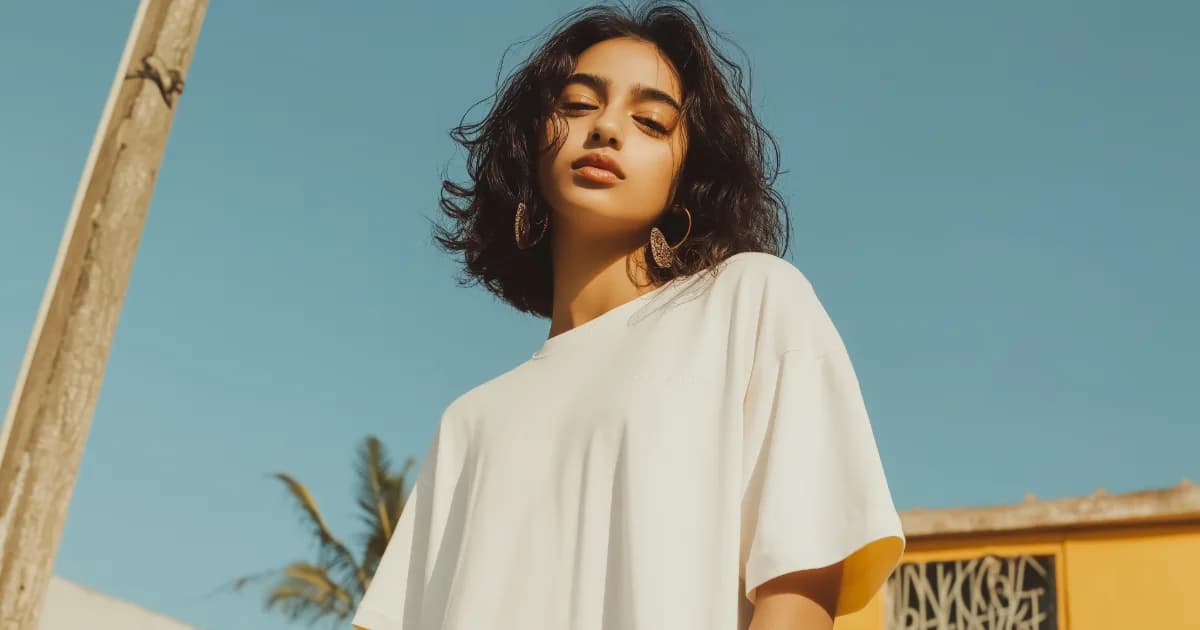
Indian fashion has entered a completely new era where individuality, comfort, and cultural identity are shaping what people choose to wear every day. Over the last few years, Indian streetwear brands have transformed from niche labels into powerful fashion movements that influence millions of young consumers across the country. From oversized hoodies and graphic tees to cargo pants and statement sneakers, streetwear is no longer just a global trend—it has become an important part of modern Indian The rise of social media, creator-driven fashion, and youth-focused branding has created the perfect environment for Indian streetwear brands to grow rapidly. Young consumers are no longer interested in simply following traditional fashion rules. Instead, they want clothing pieces that reflect personality, creativity, and confidence. Streetwear offers exactly that, which is why the category continues to dominate urban fashion trends in India. Unlike traditional fashion industries that focused heavily on luxury and formal styling, streetwear introduced a more relaxed and expressive approach to fashion. It blends music, art, skate culture, hip-hop influence, gaming aesthetics, and everyday comfort into a single style movement. For Indian fashion enthusiasts, this shift represents freedom of expression rather than simply following mainstream clothing trends. One of the biggest reasons Indian streetwear brands are growing so fast is the influence of Gen Z and younger millennials. This generation spends more time online, follows global fashion trends instantly, and actively participates in digital fashion communities. Platforms like Instagram, Pinterest, and YouTube have accelerated the visibility of modern streetwear styles across India. Young consumers today are heavily inspired by creators, rappers, influencers, and independent fashion artists. Instead of looking only at Bollywood celebrities for style inspiration, they now follow creators who represent relatable lifestyles and authentic fashion culture. This has helped local Indian streetwear brands build stronger emotional connections with their audience. Streetwear is also highly connected to individuality. Young consumers want wardrobes that feel personal rather than repetitive. Oversized silhouettes, experimental graphics, loose-fit trousers, layered outfits, and gender-neutral fashion have become important elements of youth-driven styling. Indian brands understand these changing preferences and are designing collections that align with modern consumer identity. Another major factor is accessibility. International streetwear brands are often expensive for the average Indian buyer, while local brands provide trendy designs at more affordable prices. This balance between style and affordability has significantly expanded the streetwear audience in India. Social media has become one of the strongest growth engines for Indian streetwear brands. In the past, fashion trends were largely controlled by magazines, fashion weeks, and celebrity endorsements. Today, trends can emerge overnight through viral reels, influencer styling videos, and creator collaborations. Indian Instagram especially plays a major role in streetwear marketing because visual appeal is central to the culture. Brands use lookbooks, reels, styling edits, behind-the-scenes content, and user-generated fashion showcases to build engagement. Instead of traditional advertisements, many streetwear labels focus on building communities around shared interests like music, sneakers, gaming, photography, and urban creativity. This digital-first approach gives Indian streetwear brands a competitive advantage because they understand internet culture better than many traditional fashion companies. Their communication feels more relatable, casual, and culturally connected to younger audiences. Another reason behind the rapid growth of Indian streetwear is the unique blend of international inspiration and Indian cultural influence. Modern Indian brands are not simply copying Western designs anymore. Instead, they are creating original styles that reflect Indian identity while maintaining global streetwear aesthetics. Many brands now incorporate regional typography, local art forms, Indian music culture, traditional patterns, and social themes into their collections. This creates fashion that feels authentic rather than generic. Consumers appreciate brands that represent Indian creativity while still delivering globally relevant designs. Streetwear in India has also evolved beyond metro cities. Smaller cities and emerging fashion communities are increasingly adopting urban fashion trends. Young consumers from Tier 2 and Tier 3 cities now actively participate in digital fashion culture and contribute to the growth of independent brands. The modern Indian Streetwear culture thrives on exclusivity, and Indian brands have successfully adopted this strategy. Instead of mass-producing every collection, many labels release limited drops that create urgency and excitement among buyers. Consumers feel emotionally connected to products that appear rare or exclusive. This strategy has changed the psychology of fashion shopping in India. Buyers are no longer purchasing Collaborations have also become a major growth driver. Streetwear brands frequently collaborate with artists, creators, musicians, photographers, and designers to produce exclusive collections that attract niche audiences. These partnerships generate stronger visibility and help brands stay culturally relevant. The hype-driven model works particularly well among younger consumers because fashion is deeply connected to online identity. Posting unique outfits, styling experimental wardrobes, and participating in Indian consumers are increasingly prioritizing comfort without sacrificing style. Streetwear perfectly fits this demand because it focuses on relaxed silhouettes, breathable fabrics, and versatile designs. Oversized hoodies, loose-fit cargos, varsity jackets, graphic tees, and co-ord sets have become essential wardrobe staples for many young people. The shift toward casual fashion accelerated after lifestyle changes in recent years. Consumers now prefer versatile outfits that can work for travel, casual outings, content creation, college life, and even semi-professional settings. Streetwear offers flexibility that traditional fashion categories often lack. Fashion enthusiasts are also becoming more experimental with styling combinations. Instead of following rigid dress codes, people now mix sporty elements with luxury-inspired pieces or combine minimalist basics with bold statement clothing. Streetwear supports this creativity because it encourages personalization. Another important factor is gender-fluid fashion. Many Indian streetwear brands are moving toward unisex collections that appeal to broader audiences. This inclusive approach reflects changing consumer attitudes and helps brands connect with modern fashion communities. Unlike traditional fashion companies that mainly focus on sales, many Indian streetwear labels focus heavily on community-building. This approach creates stronger brand loyalty because consumers feel emotionally invested in the culture behind the clothing. Streetwear communities often revolve around shared interests such as music, art, design, photography, sneakers, and urban creativity. Brands organize pop-up events, creator collaborations, fashion shoots, and digital campaigns that encourage audience participation. These experiences help transform buyers into long-term supporters. Indian consumers today value authenticity more than polished corporate branding. Streetwear brands often communicate in a raw, relatable, and culturally aware tone that feels genuine to younger audiences. This authenticity creates trust and strengthens customer engagement. Fashion culture in India is no longer limited to elite circles. Social media has democratized style inspiration, allowing independent creators and smaller brands to gain visibility without massive advertising budgets. This has opened the door for innovative streetwear startups to compete with larger fashion companies. The future of Indian streetwear appears incredibly promising as fashion continues moving toward self-expression, digital influence, and community-driven trends. Young consumers are becoming more fashion-aware and are constantly searching for fresh styles that reflect individuality. Indian brands now have the opportunity to compete globally by offering unique cultural perspectives combined with modern design aesthetics. As more consumers invest in experimental wardrobes and expressive clothing pieces, the demand for creative streetwear collections will continue growing. Technology, creator culture, and digital commerce will further accelerate this growth. Fashion enthusiasts increasingly discover brands through reels, creator recommendations, and online trends showcase platforms rather than traditional shopping experiences. This gives agile streetwear labels a major advantage in the evolving fashion industry. Streetwear in India is no longer just a temporary trend. It has become a powerful cultural movement that represents confidence, creativity, and modern identity. As Indian youth continue redefining fashion culture, local streetwear brands are positioned to become some of the most influential players in the future of global fashion.The Influence of Youth Culture on Indian Streetwear
Social Media Has Changed Fashion Discovery
Indian Streetwear Combines Global Trends with Local Identity
Limited Drops and Exclusive Collections Create Hype
Comfort and Versatility Have Redefined Everyday Fashion
Independent Indian Brands Are Building Strong Communities
The Future of Indian Streetwear Looks Stronger Than Ever
.webp&w=3840&q=75)
Why Indian Streetwear Brands Are Growing So Fast in 2026
22 May 2026
Tags:
#Indian streetwear#fashion culture#fashion enthusiasts#Indian fashion trends#streetwear brands#clothing pieces#wardrobe style#Gen Z fashion#urban fashion#trends showcase

Reach a Wider Audience!
Advertise with us and showcase your brand to our vast community of fashion enthusiasts. Maximize your impact by placing an ad in our magazine.