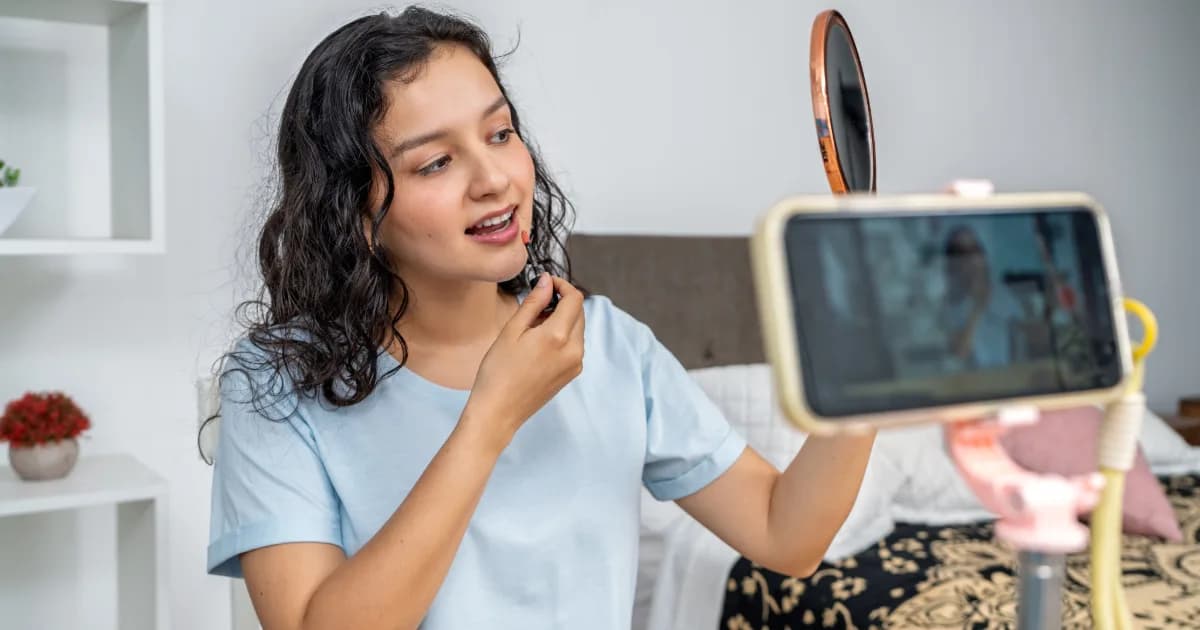
Fashion marketing has evolved far beyond glossy magazine advertisements and celebrity billboards. Today, audiences connect more with relatable creators filming in their bedrooms than with highly produced campaigns. Among the biggest shifts in digital fashion culture is the rise of “Get Ready With Me” content, commonly known as GRWM videos. These videos transformed ordinary routines into highly influential marketing experiences that shape buying decisions, trend cycles, and brand loyalty. GRWM content blends storytelling, personality, and styling into a format that feels authentic rather than promotional. Whether it is a creator choosing outfits for brunch, preparing for fashion week, or styling everyday office wear, viewers feel personally connected to the process. This emotional connection has given GRWM videos an enormous Fashion brands quickly realized that audiences trust creators who share their real routines, favorite products, and styling decisions. Instead of traditional advertisements telling people what to buy, GRWM videos subtly show how products fit into real lifestyles. This shift changed the relationship between consumers and fashion marketing forever. One of the biggest reasons GRWM videos became so powerful is authenticity. Audiences today are highly aware of overly commercial campaigns. They prefer creators who appear genuine, relatable, and spontaneous. GRWM videos provide exactly that experience. Unlike scripted advertisements, GRWM content often includes casual conversations, behind-the-scenes moments, and personal opinions. Viewers watch creators experiment with Fashion consumers no longer want brands to simply display products. They want to understand how those products fit into real lives. GRWM creators bridge this gap by showing realistic styling routines instead of polished campaigns. The audience feels included in the process rather than targeted by an advertisement. This authenticity creates stronger audience retention and higher The rise of short-form video platforms dramatically accelerated the popularity of GRWM content. Platforms like TikTok and Instagram Reels reward fast, engaging storytelling that captures attention within seconds. GRWM videos are naturally suited for this format because they combine visual transformation with emotional storytelling. Audiences enjoy watching creators move from casual appearances to fully styled looks within a short timeframe. This transformation creates curiosity and keeps viewers engaged until the end. The pacing of GRWM videos also aligns perfectly with modern social media behavior. Quick outfit transitions, makeup reveals, and styling edits create visually satisfying experiences that encourage repeat viewing. The As a result, creators gained millions of views through relatable dressing routines that once seemed too ordinary for mainstream media. Fashion brands recognized this attention shift and redirected marketing budgets toward influencer collaborations and creator-led campaigns. Traditional fashion advertising relied heavily on celebrities and professional models. GRWM content changed this dynamic by turning influencers into personal stylists for digital audiences. Creators are perceived as accessible individuals rather than distant public figures. Their recommendations feel more trustworthy because followers watch them consistently over time. When influencers share their favorite jackets, sneakers, skincare products, or accessories during a GRWM routine, viewers interpret those recommendations as honest opinions. This trust creates significant purchasing power. Consumers increasingly make buying decisions based on influencer styling inspiration instead of traditional advertising campaigns. A single viral GRWM video can sell out products within hours because audiences want to recreate the same looks. Fashion companies now collaborate with creators across different audience sizes, including micro-influencers. Smaller creators often achieve higher engagement because their communities feel more personal and interactive. This strategy allows brands to reach niche audiences with greater precision. The creator economy transformed fashion marketing from one-way advertising into community-driven storytelling. GRWM videos succeed because they are not only about clothing. They are about emotions, confidence, routines, identity, and self-expression. Many creators structure their videos around relatable scenarios such as preparing for a first date, attending an interview, going on vacation, or overcoming a difficult day. These narratives make the content emotionally engaging rather than purely visual. Viewers become invested in the creator’s journey, which increases watch time and interaction. Comments sections often become spaces for conversation, advice, and emotional support. This level of engagement is difficult for traditional advertisements to achieve. Fashion brands benefit from this emotional connection because products become associated with meaningful experiences rather than simple transactions. A dress shown during a “confidence boost” GRWM video carries more emotional value than the same dress displayed in a static advertisement. This storytelling format strengthens brand recall and encourages audiences to develop lasting relationships with fashion labels. One major reason fashion brands prioritize GRWM creators is their ability to drive immediate consumer action. Viewers watching a creator style an outfit often feel inspired to purchase similar items instantly. Since the products appear within a real-life routine, the buying decision feels natural and emotionally justified. The integration of shopping features on social media platforms further accelerated this trend. Audiences can now click directly on tagged products while watching videos. This seamless purchasing journey reduces friction between inspiration and checkout. Fashion marketers recognize that GRWM videos effectively combine entertainment with commerce. Instead of interrupting audiences with advertisements, brands become part of enjoyable content experiences. This strategy has proven especially successful among younger consumers who prefer discovering products through social media rather than traditional online stores. Modern digital culture places enormous value on aesthetic presentation. GRWM videos thrive because they deliver visually satisfying experiences that align with social media aesthetics. Creators carefully curate backgrounds, lighting, music, editing styles, and wardrobe combinations to create immersive content. Audiences are drawn toward creators whose visual identity reflects trends they admire. Fashion brands leverage this aesthetic influence to strengthen their own digital The appeal of aesthetics goes beyond luxury fashion. Even affordable brands gain visibility through creators who know how to present products attractively. This democratized fashion marketing by allowing smaller labels to compete through creativity and storytelling instead of massive advertising budgets. The visual power of GRWM content continues to shape online fashion culture globally. GRWM videos helped establish personal branding as one of the most important elements in the creator economy. Successful creators do not simply showcase outfits. They build recognizable personalities, values, and styling identities. Some become known for minimalist looks, while others focus on streetwear, luxury fashion, sustainable dressing, or vintage aesthetics. Audiences follow creators whose style aligns with their aspirations or lifestyles. This creates highly targeted marketing opportunities for brands seeking specific consumer groups. Fashion companies increasingly prioritize collaborations with creators whose identity matches brand values. This approach feels more authentic and improves campaign performance. The focus on personal presence also changed how audiences perceive fashion itself. Consumers now value individuality and self-expression more than blindly following trends. GRWM creators encourage viewers to experiment with styling and develop their own fashion identity. Relatability has become one of the strongest marketing currencies in the digital era. GRWM videos succeed because they make fashion feel accessible rather than intimidating. Luxury campaigns often appear distant from everyday life. In contrast, creators filming morning routines or casual outfit preparations feel familiar and approachable. Viewers see reflections of their own lives within the content. This relatability reduces barriers between consumers and fashion brands. Audiences feel more confident purchasing products when they see relatable people styling them realistically. Fashion marketers now understand that consumers are more likely to trust imperfect, natural-looking content over heavily edited campaigns. Even high-end brands increasingly adopt casual content strategies to maintain relevance among younger audiences. The shift toward relatable storytelling reflects broader changes in consumer psychology and digital communication. Fashion brands continue investing heavily in GRWM content because the format consistently delivers measurable results. These videos generate: Higher audience retention Stronger engagement Increased product discovery Better conversion rates More authentic brand perception Unlike traditional advertising campaigns with limited interaction, GRWM videos encourage comments, shares, saves, and discussions. Social media algorithms reward this engagement by expanding content reach organically. Brands also benefit from user-generated content inspired by influencer routines. Audiences recreate outfits, styling hacks, and beauty routines, which further amplifies campaign visibility. The long-term value of GRWM marketing lies in its adaptability. The format continues evolving across platforms, trends, and consumer preferences while maintaining its core appeal of authenticity and storytelling. Fashion influence used to come primarily from magazines, runway shows, and celebrity culture. GRWM videos redistributed to creators with smartphones and creative vision. This democratization changed who shapes trends and how trends spread online. Viral fashion moments now emerge from relatable creators instead of only luxury fashion houses. Consumers increasingly trust peer-style recommendations over corporate messaging. As a result, brands must participate in conversations rather than control them completely. GRWM content also accelerated trend cycles. Styles can become globally popular within days after creators showcase them in viral videos. Fashion companies now monitor social media closely to respond quickly to emerging trends and audience interests. The influence of GRWM videos extends beyond clothing into beauty, skincare, accessories, fitness, and lifestyle industries, making the format one of the most versatile marketing tools in modern digital culture. The success of GRWM videos reflects a larger transformation in how audiences consume fashion media. Consumers no longer want passive advertising experiences. They want interaction, storytelling, relatability, and inspiration. Future fashion campaigns will likely become even more creator-focused, personalized, and community-driven. Live shopping, AI-powered recommendations, and immersive video experiences may further expand the influence of GRWM content. Brands that embrace authentic storytelling and audience connection will continue thriving in this evolving environment. Those relying only on traditional advertising methods may struggle to maintain relevance among younger digital consumers. GRWM videos proved that modern fashion marketing is no longer about selling products directly. It is about building emotional relationships, creating visual inspiration, and becoming part of everyday routines. That shift explains why this content format became one of the most influential marketing tools in the global fashion industry.The Rise of Authentic Fashion Content
Short-Form Video Changed Consumer Attention
GRWM Videos Turned Influencers Into Trusted Stylists
Emotional Storytelling Drives Higher Engagement
GRWM Content Encourages Impulse Purchases
The Influence of Aesthetic Culture
Personal Branding Became Central to Fashion Marketing
The Role of Relatability in Modern Marketing
Why Brands Continue Investing in GRWM Campaigns
How GRWM Videos Redefined Fashion Influence
The Future of Fashion Marketing Through Creator Content
.webp&w=3840&q=75)
Why GRWM Videos Became Fashion’s Most Powerful Marketing Strategy
08 May 2026
Tags:
#GRWM videos#fashion marketing#influencer trends#social media fashion#Instagram reels#TikTok fashion#creator economy#fashion influencers#digital branding#beauty content#Gen Z marketing#fashion industry

Reach a Wider Audience!
Advertise with us and showcase your brand to our vast community of fashion enthusiasts. Maximize your impact by placing an ad in our magazine.