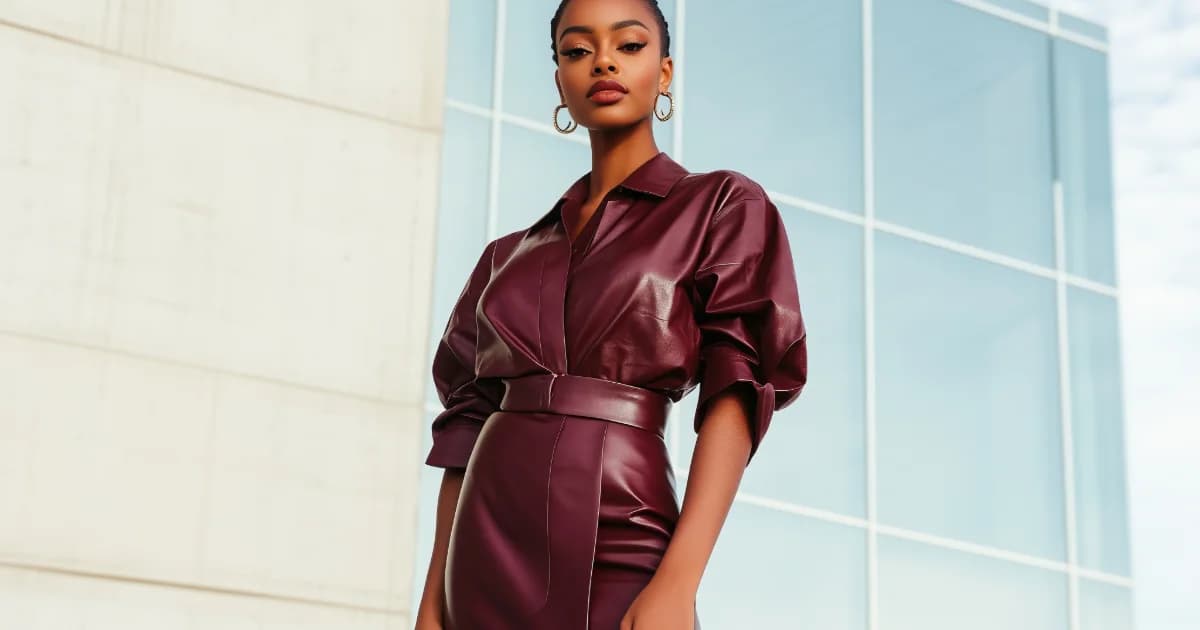
The Meaning of Power Dressing in the Modern Era
Power dressing is more than structured blazers and sharp heels. It represents a mindset expressed through
Historically, power dressing gained visibility during the 1970s and 1980s, when women began entering corporate spaces in large numbers. Structured suits, shoulder pads, and neutral tones were adopted to mirror male-dominated boardrooms. Today, however, power dressing has evolved. It no longer requires women to suppress femininity. Instead, it encourages authenticity while maintaining clarity of message.
Modern power dressing is about alignment—between personality, role, industry, and ambition. Whether in law, tech, media, entrepreneurship, or politics, fashion plays a psychological and professional role in shaping perception.
The Psychology Behind Clothing and Confidence
Clothing impacts not only how others perceive us but also how we perceive ourselves. Psychological studies on “enclothed cognition” suggest that what we wear influences cognitive processes and behavior. When a woman dresses in structured silhouettes, premium material, and tailored fits, she often experiences heightened self-assurance.
Confidence is not accidental. It is cultivated. A well-curated wardrobe eliminates daily decision fatigue and enhances clarity in presentation. When your outfit feels intentional, your posture shifts. Your communication becomes more assertive. Your presence becomes memorable.
Colors also carry psychological weight. Deep blues signal reliability. Black conveys authority. White suggests clarity. Jewel tones project boldness without compromising professionalism. Understanding these nuances allows women to make strategic decisions rather than emotional ones when selecting
First Impressions and Professional Authority
In professional settings, first impressions are formed within seconds. Before you speak, your Clothing communicates. The structure of your blazer, the polish of your shoes, and the finish of your accessories all contribute to perception.
Authority is not solely about position; it is about presence. A leader who dresses with intention signals preparedness. In contrast, a careless outfit may unintentionally communicate disorganization or lack of seriousness.
Power dressing does not mean expensive labels. It means thoughtful styling. Proper tailoring, clean lines, and quality material create a refined image. Even in creative industries where flexibility is encouraged, a balanced combination of personality and polish maintains credibility.
The Evolution of Workplace Fashion for Women
Workplace fashion has transitioned from rigid conformity to expressive professionalism. Today’s boardrooms welcome diversity in style, as long as it reflects competence.
Women in corporate leadership may choose monochrome suits, while entrepreneurs might experiment with vibrant tones and modern silhouettes. The key lies in coherence. The outfit should align with the professional narrative you wish to present.
Minimal makeup paired with structured Clothing projects clarity and discipline. Alternatively, bold lip shades and statement art-inspired pieces can express creativity in industries like fashion, design, and media. The choice depends on context.
Professional success increasingly values individuality. Therefore, modern power dressing allows room for personality without compromising professionalism.
Power Dressing Across Industries
Corporate and Finance
In corporate sectors, power dressing often emphasizes clean cuts, tailored blazers, pencil skirts, and structured trousers. Neutral shades dominate, supported by subtle jewellery that enhances sophistication without distraction.
Structured bags, pointed footwear, and well-maintained garments reinforce precision and attention to detail.
Creative Industries
In fashion, advertising, and entertainment, power dressing may incorporate bold silhouettes, experimental layering, and statement accessories. However, balance remains critical. Even the most artistic outfits should maintain refinement in fit and fabric quality.
Technology and Startups
In tech environments, smart casual has redefined authority. Well-fitted trousers paired with elegant blouses or structured jackets create a polished yet approachable look. Here, comfort intersects with professionalism.
Politics and Public Leadership
Women in politics often use fashion strategically. Subtle patterns, strong color choices, and culturally relevant garments send messages of solidarity and strength. Clothing becomes both symbolic and functional.
The Role of Fabric and Material in Executive Presence
Fabric quality influences perception significantly. Premium material enhances silhouette structure and durability. Natural fabrics like wool blends, silk, and high-quality cotton create a polished appearance.
Wrinkled or poorly constructed garments may undermine authority. Investing in quality rather than quantity elevates the entire wardrobe.
Texture also contributes to visual impact. Matte finishes communicate seriousness, while subtle sheen adds elegance. Understanding these differences helps women curate outfits appropriate for negotiations, presentations, or networking events.
How Fashion Influences Workplace Performance
Fashion influences performance in subtle yet powerful ways. When a woman feels confident in her Clothing, distractions decrease. She focuses on her objectives rather than adjusting uncomfortable garments.
The relationship between style and performance is particularly evident during presentations or interviews. Structured attire encourages upright posture, which in turn supports vocal projection and clarity.
Makeup, when applied with intention, enhances facial features under professional lighting conditions. A
Power dressing, therefore, becomes a practical performance tool rather than mere aesthetics.
Building a Power Wardrobe Strategically
A strong professional wardrobe requires planning. It is not about excessive shopping but about thoughtful selection.
Core Essentials
Tailored blazer
Structured trousers
Pencil or midi skirt
Crisp white shirt
Neutral heels or loafers
Structured handbag
These foundational pieces allow for multiple combinations. Adding statement jewellery or modern accents can transform basic outfits into standout ensembles.
Versatility and Layering
Layering enhances functionality. Blazers over dresses, waistcoats over blouses, or scarves paired with neutral ensembles create visual interest without overwhelming professionalism.
Color coordination ensures cohesion. A wardrobe built around a consistent palette simplifies daily decisions while maintaining impact.
Confidence Through Authentic Expression
True power dressing aligns with personality. When women feel forced into styles that contradict their identity, confidence diminishes.
Some professionals prefer minimal styling with clean lines and understated tones. Others feel empowered through bold prints and vibrant color combinations. Both approaches can convey authority if executed thoughtfully.
Authenticity enhances influence. Colleagues and clients respond positively to individuals who appear comfortable in their own skin.
Cultural Influence on Power Dressing
In India and across global platforms, cultural attire plays a powerful role in leadership identity. Sarees, structured kurtas, and fusion ensembles combine tradition with contemporary elegance.
A silk saree paired with minimal jewellery can project authority in diplomatic or corporate settings. Similarly, tailored Indo-western ensembles allow women to celebrate heritage while maintaining executive presence.
Global fashion increasingly embraces cultural diversity. Women leaders are redefining professionalism by integrating identity into their wardrobe.
The Impact of Grooming and Detail
Power dressing extends beyond Clothing. Grooming, posture, and attention to detail complete the image.
Well-maintained nails, polished footwear, and subtle fragrance contribute to perception. Accessories should complement rather than overpower.
Clear skin, balanced
Breaking Stereotypes Through Fashion
Women have long faced scrutiny regarding appearance in professional spaces. Power dressing challenges stereotypes by demonstrating that femininity and authority coexist.
Strong silhouettes do not diminish grace. Bold color choices do not reduce credibility. Instead, intentional styling amplifies individuality while commanding respect.
The modern professional woman defines her own narrative through fashion rather than conforming to outdated standards.
Social Media and Visual Branding
In the digital age, personal branding extends beyond office walls. LinkedIn profiles, interviews, webinars, and public appearances require consistent styling.
Fashion becomes part of visual branding. Cohesive Clothing choices reinforce identity across platforms. Entrepreneurs and executives benefit from maintaining a recognizable aesthetic.
Professional photoshoots often emphasize structured outfits and balanced makeup to reflect authority. Even subtle details like background color and posture contribute to perception.
The Economic Power of Image
Research consistently shows that appearance influences career progression. While competence remains foundational, presentation can affect opportunities, negotiations, and leadership visibility.
Women who understand power dressing use fashion as leverage. They invest in quality pieces that support long-term professional growth.
Image is not superficial; it is strategic. In competitive environments, every advantage matters.
Sustainability and Ethical Fashion in Leadership
Modern leaders increasingly prioritize ethical consumption. Sustainable Clothing made from responsible
Choosing quality over fast fashion demonstrates responsibility and foresight. Such decisions influence team culture and public perception positively.
Power dressing today balances aesthetics with accountability.
Navigating Casual Work Environments
As workplaces become more flexible, defining power dressing becomes nuanced. Casual does not mean careless.
Smart tailoring, clean sneakers paired with structured trousers, and polished tops create balance. The goal is to remain approachable without sacrificing professionalism.
Understanding company culture helps determine appropriate styling choices.
Mentorship and Role Modeling
Young professionals often observe senior women for cues on leadership style. Fashion becomes part of mentorship visibility.
When leaders dress confidently and authentically, they inspire others to embrace their individuality.
Representation matters. Seeing diverse expressions of power dressing encourages inclusion and self-belief.
Investing in Self-Image as Career Strategy
Building a professional image requires intention. Budget allocation for wardrobe development should be viewed as career investment.
Tailoring services, quality fabric, and timeless designs provide long-term value. Trend-driven purchases should complement rather than dominate.
A curated wardrobe simplifies life while amplifying authority.
Emotional Intelligence and Fashion Awareness
Power dressing is closely linked to emotional intelligence. Understanding context, audience, and cultural sensitivity guides clothing decisions.
An outfit appropriate for a board meeting may differ from one suited for a creative brainstorming session. Awareness ensures alignment.
Women who master this adaptability enhance influence across environments.
Redefining Success Through Personal Style
Success is no longer defined solely by position or salary. It encompasses impact, balance, and authenticity.
Fashion becomes a medium for expressing ambition and identity simultaneously. Whether through minimalist tailoring or expressive art-inspired ensembles, power dressing reflects clarity of purpose. True influence emerges when confidence, competence, and style align seamlessly.
In today’s professional landscape, power dressing is not about imitation but intention. It empowers women to own space, communicate strength, and pursue success without compromising individuality. Fashion, when approached strategically, becomes a silent yet powerful ally in shaping careers, building authority, and cultivating lasting confidence.
