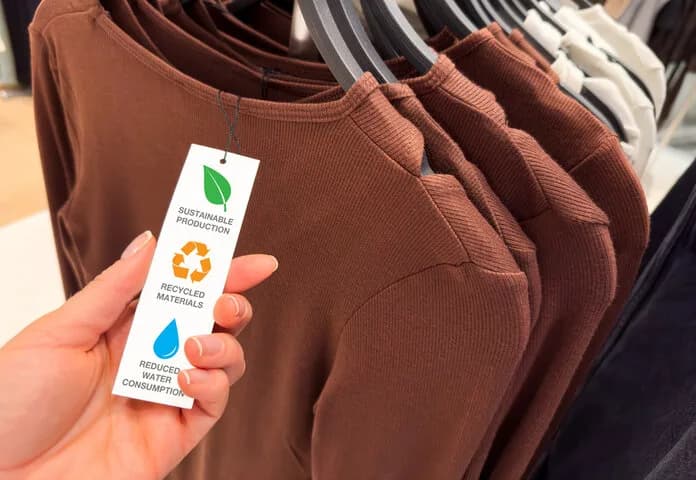
The Indian fashion industry is experiencing a remarkable transformation as consumers become more conscious of the environmental and social impact of their purchases. Instead of focusing solely on fast-changing styles, shoppers are now looking for clothing that reflects responsible manufacturing, fair labor practices, and environmentally friendly production methods. This shift has encouraged many local designers and clothing labels to rethink traditional manufacturing and embrace
At the same time, younger consumers are driving demand for garments made from organic cotton, recycled fabrics, natural dyes, and biodegradable materials. Brands that prioritize transparency throughout their supply chain are gaining greater trust among buyers. These businesses demonstrate that fashion can remain t
Indian Brands Leading the Sustainable Fashion Movement
Several Indian fashion labels have established themselves as pioneers by combining craftsmanship with environmental responsibility. These companies invest in eco-friendly materials, water-saving production techniques, and ethical sourcing while promoting locally made products. Their commitment has helped position India as a growing hub for
Many of these businesses also collaborate with rural artisans, preserving traditional weaving techniques while generating sustainable livelihoods. Consumers increasingly appreciate collections that tell authentic stories of craftsmanship and heritage. As these brands continue to innovate, they prove that environmentally responsible fashion can be both premium and
Eco-Friendly Materials Transforming Fashion Production
Modern sustainable fashion depends heavily on innovative textiles that reduce environmental impact throughout the manufacturing process. Organic cotton, hemp, bamboo fibers, TENCEL™, recycled polyester, and regenerated fabrics have become popular alternatives to conventional materials. These textiles consume fewer natural resources while minimizing pollution and waste, making them valuable for brands committed to
Indian designers are also experimenting with plant-based dyes, upcycled fabrics, and handcrafted textiles that celebrate local traditions. Such innovations create unique garments with smaller environmental footprints while maintaining exceptional quality. As consumers become more informed, they increasingly recognize that choosing
Consumer Awareness Driving Positive Industry Change
Today's shoppers are researching brands before making purchasing decisions, paying attention to certifications, sourcing practices, and manufacturing transparency. Social media, digital campaigns, and educational content have made it easier for consumers to understand the long-term benefits of responsible fashion choices. As awareness grows, purchasing decisions increasingly favor brands that combine style with environmental commitment, making sustainable collections both desirable and t
Businesses have responded by improving product traceability, reducing plastic packaging, and publishing s
Technology and Innovation Supporting Sustainable Fashion
Technological advancements are helping fashion companies reduce waste, improve efficiency, and produce garments with minimal environmental impact. Artificial intelligence, digital pattern-making, 3D sampling, and automated inventory management significantly reduce material waste while optimizing production processes. These innovations allow designers to create collections that remain
Additionally, digital platforms enable consumers to learn about product origins, materials, and manufacturing methods through QR codes and blockchain technology. Greater transparency empowers buyers to make informed purchasing decisions while rewarding brands committed to
The Future of Sustainable Fashion in India
India's sustainable fashion sector is expected to expand rapidly as consumers, policymakers, and businesses continue prioritizing environmentally responsible practices. Increased investment in renewable materials, circular fashion models, textile recycling, and responsible manufacturing will strengthen the industry's long-term growth. Fashion brands embracing these initiatives demonstrate that commercial success and environmental responsibility can coexist, making conscious fashion increasingly
Future growth will also depend on collaboration between designers, manufacturers, retailers, and customers who value responsible consumption. By supporting
