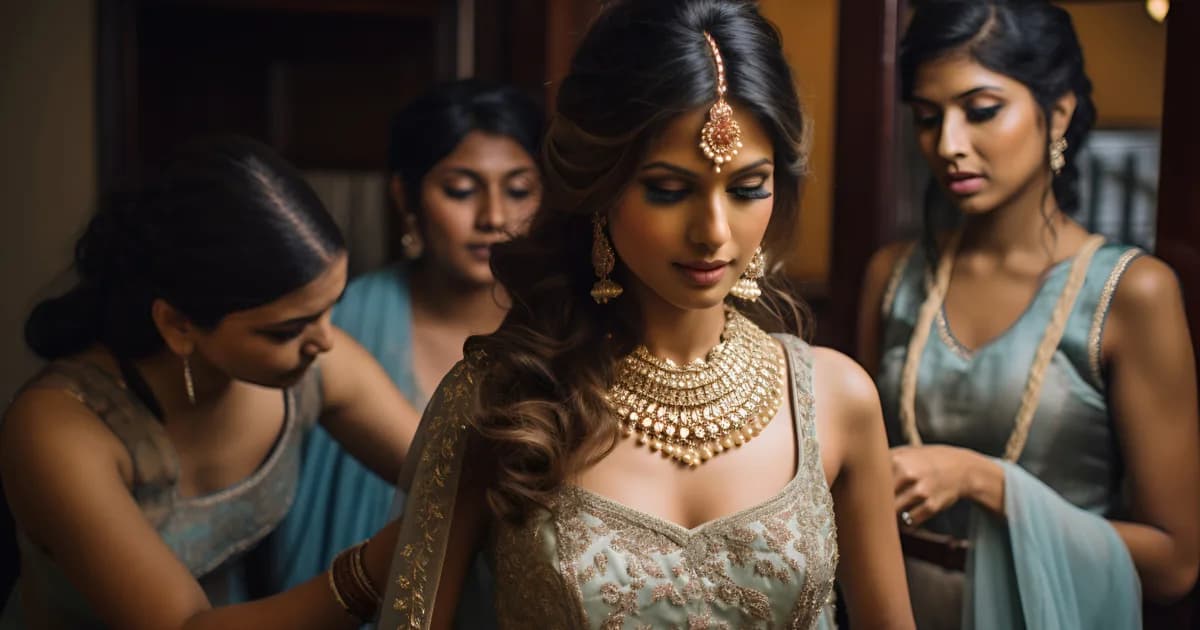
December weddings in India are nothing short of cinematic spectacles—an orchestration of memories, rituals, couture, and curated aesthetics set against crisp winter breezes. As trends shift and traditions evolve, wedding fashion has become more adventurous, more nuanced, and more expressive. What once stood firmly divided—Indian versus Western—is now blurred into a seamless fusion, where silhouettes, textures, In an era driven by evolving tastes and powerful digital influence, wedding style no longer exists within the confines of ritual. Rather, it is an extension of identity. Brides, grooms, and guests aren’t merely dressing to attend ceremonies—they are dressing to participate in a visual language that reflects who they are. The rise of fusion couture symbolizes the emotional need to connect heritage with contemporary relevance. It is rooted in ethnic silhouettes yet sculpted through global sensibilities. Whether it’s pairing a corset blouse with a Banarasi sari, styling tuxedo jackets with lehengas, or wearing sneakers under a sherwani, fashion now embraces contradiction as confidence. This shift is influenced not only by tradition but by the aspirations of younger consumers who expect outfits to resonate with their personalities, values, comfort, and individuality. They are not satisfied with garments that look good only in pictures—modern wedding fashion must move, breathe, and withstand time. Today's generation studies color stories, explores seasonal palettes, invests in handcrafted textiles, seeks functionality in couture pieces, and consciously avoids harmful As the fashion industry multiplies its touchpoints—runways, Instagram grids, AI-styled lookbooks, celebrity appearances—fusion fits are no longer experimental outliers. They are evolving into mainstream wedding attire. India now stands as one of the The Sangeet is the first major showdown of any December wedding. This is the night of choreography, selfies, sibling nostalgia, and unapologetic glamour. It demands clothes that offer movement—garments that sway, spin, and sparkle under stage lights. Fusion fits thrive here. Women have reimagined lehengas by replacing conventional cholis with structured corsets, halter jackets, ruffled peplum blouses, silk bustiers, and shimmer-laced capes. These choices amplify theatrics without alienating tradition. The lehenga continues to twirl, but with an edge that feels global. Men have stepped into the spotlight too. Instead of traditional bandhgalas, grooms and groomsmen are wearing layered draped jackets, asymmetrical kurtas, metallic sherwanis, and Indo-Western tuxedos paired with sneakers or boots. Their styling retains the solemnity of Indian wear yet embraces comfort and optical intrigue. Colors during Sangeet follow bold, dynamic palettes—electric blues, purples, emerald green, ruby red, and gold foil accents. These colors respond to stage lighting, transforming performances into editorial moments. Weddings today are documented extensively on social media, which means outfits must photograph well under different lighting and camera perspectives. Fusion garments allow that—through sheen, movement, and texture. Sangeet styling is not just about clothes; it is an attitude. It communicates readiness for celebration. Every cut, hue, and embellishment signals the start of the wedding narrative. Cocktail night embodies a different aesthetic—slick sophistication, intentional minimalism, and Western glamor infused into Indian silhouettes. This evening thrives on an atmosphere of indulgence, music, curated beverages, and conversations that linger past midnight. It is the evening where fashion transitions from festive exuberance to elevated refinement. Women often choose gowns with lehenga drapes, sequined maxi skirts paired with tuxedo blazers, sari-gowns with sculptural pleats, satin jumpsuits with embroidered waist belts, or monochrome silk sets paired with metallic chokers. The drape remains inherently Indian, yet its structure leans towards ballroom drama. The outcome is elegance without compromise—fashion that feels ceremonial but cosmopolitan. The shift toward fusion wear here aligns with lifestyle expectations of Men embrace cocktail fashion with velvet tuxedos paired with kurta-inspired plackets, statement lapels, tonal layering, and embroidered pocket squares. Jewel-toned suits—maroon, teal, charcoal, and wine—dominate, reflecting evolving masculine identity. The new Indian groom dresses intentionally; he is no longer a backdrop to bridal opulence. Cocktail styling also marks the shift away from chemically processed fabrics. Labels now focus on botanical dyes, organic weaves, and recycled fibers—reducing dependency on harmful chemicals while preserving luxury aesthetics. This aligns with the values of a fashion-aware generation that prizes environmental empathy. The reception is the crescendo—the night that seals the wedding aesthetic. It is the space where tradition stands tall but welcomes innovation. The challenge lies in striking the perfect balance between grandeur and restraint. This is where fusion fits reveal their most evocative forms. Reception lehengas have evolved beyond sequins and zari. Brides today experiment with velvet trails, sculpted corsetry, architectural blouses, and metallic embroidery inspired by celestial motifs. The sari remains a reception staple, but its draping has changed—paired with jackets, belts, and stoles, or reimagined through sculptural pleats that reinterpret millennia-old heritage into modern couture. Men lean into richer textures—silk sherwanis with matte buttons, jacquard bandhgalas paired with velvet shawls, and tonal layering that exudes quiet opulence. The groom is no longer defined by contrast but by complementarity. Fashion houses now design couple ensembles where colors converse rather than clash, where cuts harmonize without losing individuality. Reception nights adopt deeper, winter-inspired palettes—midnight blue, smoke grey, mulberry, antique gold, and ivory. The visual tone here is dignified, not loud. The fusion works because it respects ceremony, not because it replaces it. The rise in fusion fits symbolizes something larger than wardrobe conversations—it mirrors India’s evolving Fusion fashion represents India’s refusal to choose between roots and relevance. It demonstrates how identity can be expanded, not exchanged. It captures the essence of a country that learns from the world yet refuses to dilute its heritage. This is why India has become a leading destination for weddings—not just for Indians, but for global citizens who seek grandeur rooted in meaning. The Fusion wear is not a trend; it is a direction. It speaks to longevity, intimacy, and evolution. As people move toward sustainable wardrobes, modular clothing, and personalized couture, the December wedding wardrobe will continue to evolve in new Editions—reinterpretations that honor heritage yet transform silhouettes. Color stories will deepen. Accessories will grow architectural. Fabrics will become more conscious. Innovation will expand. Yet the essence will remain: weddings will persist as celebrations of memory, meaning, and identity. Fusion fashion succeeds because it understands something profoundly human—people want clothes that tell their story. And weddings, more than any moment in life, demand stories worth retelling.The Sangeet: Where Fashion Learns to Dance
Cocktail Nights: When Subtlety Meets Seduction
Reception Nights: A Portrait of Legacy
The Cultural Shift Behind Fusion Fits
Where Fusion Fits Move Next
.webp&w=3840&q=75)
December Wedding Style Guide: Fusion Fits for Sangeet, Cocktail & Reception Nights
25 November 2025
Tags:
#fusion wedding outfits#December wedding style guide#reception fashion#cocktail night outfits#sangeet fashion ideas#palettes wedding colors#younger consumers fashion#culture wedding trends#leading fashion industry#chemical-free clothing

Reach a Wider Audience!
Advertise with us and showcase your brand to our vast community of fashion enthusiasts. Maximize your impact by placing an ad in our magazine.