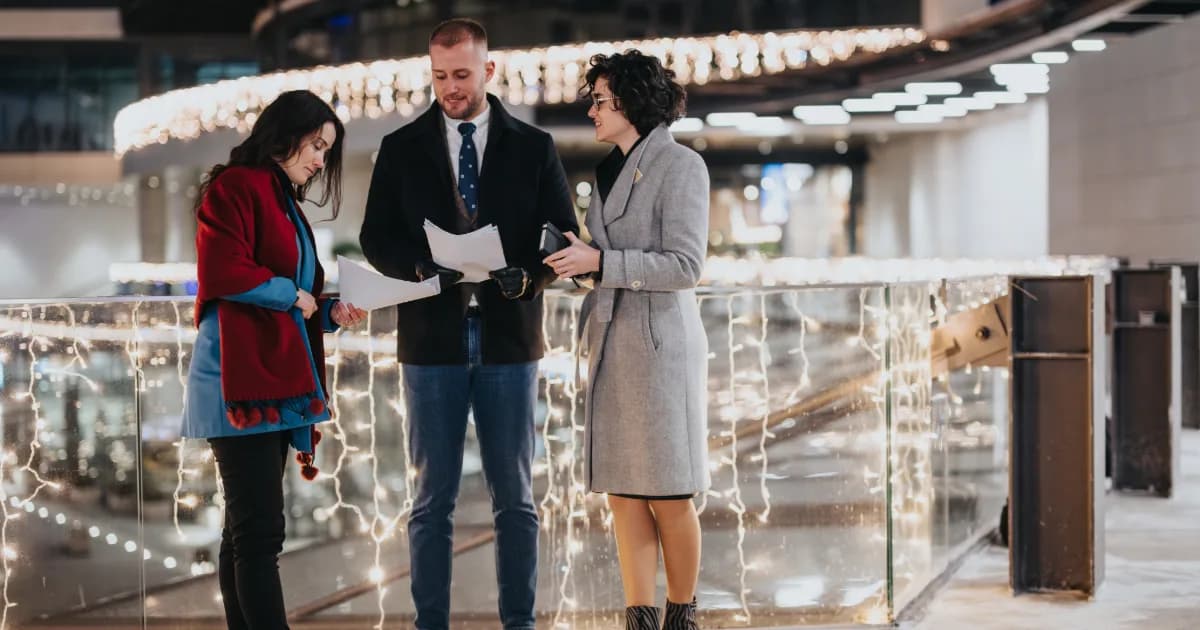
Layering is essential for winter dressing as it allows flexibility, comfort, and style across different environments. Whether heading to work or stepping out casually, layered clothes help regulate warmth while maintaining a polished appearance. Thoughtful layering ensures outfits adapt to indoor heating and outdoor cold. When done well, it enhances silhouettes and allows outfits to transition effortlessly from professional settings to relaxed social moments during the winter festival season. Office winter layering focuses on balance—structured yet comfortable. Tailored blazers worn over lightweight sweaters or shirts create refined looks suitable for formal environments. Neutral tones dominate office winter clothes, offering versatility and ease of styling. Fabrics that feel soft on the skin and regulate temperature naturally enhance all-day comfort. These outfits often mirror styles seen in fashion editorials and even Knitwear plays a vital role in both office and casual winter outfits. Fine-knit sweaters layered over shirts provide warmth without bulk, making them ideal for workwear. For casual settings, oversized knits styled with relaxed trousers or denim create effortless winter looks. Quality knitwear ensures breathability and comfort against the The combination of shirts, sweaters, and jackets is a classic winter layering approach. Button-down shirts form a versatile base layer, while sweaters add insulation and texture. Outer layers like structured jackets or coats complete the look, offering protection during colder days. This combination works seamlessly across professional and casual environments, making it one of the most reliable winter clothes formulas during festive and everyday occasions alike. Casual winter layering prioritizes comfort while maintaining visual appeal. Hoodies layered under jackets, paired with joggers or denim, create relaxed yet stylish outfits. Casual winter clothes often feature softer fabrics that feel gentle on the skin, ensuring comfort during long hours. These outfits are ideal for weekend outings, informal gatherings, or relaxed Dresses can be adapted for winter through smart layering. Full-sleeve dresses paired with cardigans, belts, and coats offer warmth while retaining femininity. For office wear, structured layers add professionalism, while casual settings allow for relaxed silhouettes. Such layered dresses often reflect styling trends showcased in editorial shoots and magazine covers, highlighting winter fashion versatility. Winter layering is especially important for social occasions linked to a These outfits balance celebration and practicality, allowing individuals to remain comfortable in cold settings while dressed appropriately for formal occasions. Winter clothes styled for wedding-related events often blend structure with softness for maximum impact. Outerwear defines winter layering. Coats, trench styles, and long jackets add sophistication while serving a functional purpose. For office wear, clean silhouettes and neutral shades maintain professionalism. Casual outfits allow for experimentation with textures and lengths. High-quality outerwear ensures insulation while feeling comfortable on the skin, making winter dressing feel effortless and naturally stylish. Accessories play a supporting role in layered outfits. Scarves, belts, and minimal jewelry help define silhouettes and add depth. In both office and casual looks, accessories provide flexibility—allowing outfits to be adjusted based on temperature changes. During winter festival seasons, accessories also add subtle festive touches without overwhelming layered Color coordination is key to successful layering. Neutral bases paired with deeper winter tones create balanced outfits suitable for multiple settings. Office looks often favor monochrome or muted palettes, while casual outfits allow more freedom. These color strategies ensure layered outfits remain cohesive, polished, and camera-ready—much like styles featured in magazine covers. Fabric selection impacts both comfort and appearance. Breathable inner layers combined with insulating outer pieces create warmth without heaviness. Materials that sit comfortably on the skin and regulate body temperature One of the advantages of winter layering is adaptability. Removing or adding layers allows outfits to transition smoothly from office to casual settings. A structured blazer removed after work instantly creates a relaxed look. This versatility makes layered winter clothes practical for modern lifestyles that demand flexibility and style throughout the day. Layered winter outfits continue to dominate seasonal fashion due to their practicality and elegance. They allow individuals to express personal style while staying comfortable in changing temperatures. From office environments to casual outings, and even wedding-related events, winter layering offers endless styling possibilities. With thoughtful choices, layered outfits feel refined, season-appropriate, and enduring—making them a cornerstone of winter fashion.The Importance of Layering in Winter Dressing
Office-Ready Layered Outfits for Winter
Knitwear as a Winter Essential
Layering Shirts, Sweaters, and Jackets
Winter Layered Outfits for Casual Settings
Dresses and Layering for Winter Wear
Layering for Wedding-Adjacent Winter Events
Outerwear That Completes Layered Looks
Accessories That Enhance Winter Layers
Color Coordination in Layered Winter Outfits
Fabric Choices for Comfortable Layering
Transitioning from Office to Casual Looks
Why Layered Winter Outfits Remain Timeless
Best Winter Layered Outfits for Office & Casual Settings
16 December 2025
Tags:
#Winter Layered Outfits#Office Winter Wear#Casual Winter Fashion#Winter Clothes Styling#Festival Winter Looks#Wedding Winter Outfits#Seasonal Layering#Winter Fashion Trends

Reach a Wider Audience!
Advertise with us and showcase your brand to our vast community of fashion enthusiasts. Maximize your impact by placing an ad in our magazine.