.webp&w=3840&q=75)
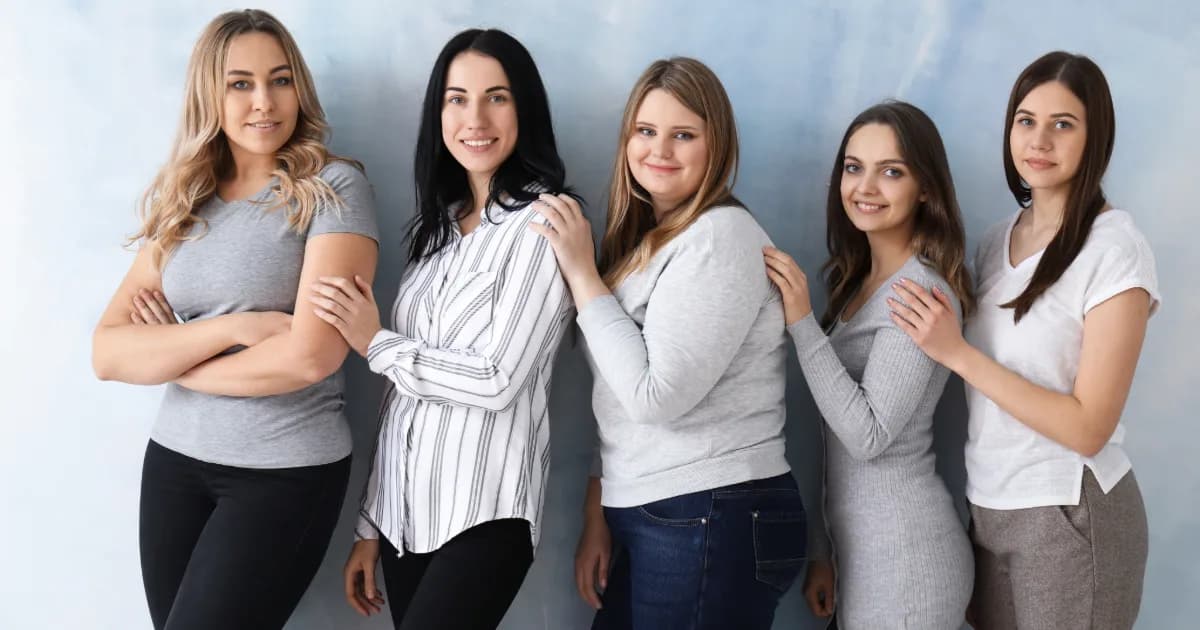
Body Positivity to Body Neutrality: The New Conversation in Fashion
Over the last decade, the global fashion industry has undergone a radical transformation in how it views bodies, beauty, and identity. From the early days of body positivity, which celebrated all shapes and sizes, to the newer, more inclusive philosophy of body neutrality, fashion’s narrative around self-image has evolved to be more authentic and grounded.
This shift reflects a growing awareness that self-worth should not be tied to appearance. It’s not just about loving your body — it’s about accepting it as it is, without judgment. In a world that constantly bombards people with images of unrealistic standards, this movement is redefining what natural beauty means.
The Evolution from Body Positivity to Body Neutrality
The body positivity movement began as a reaction to harmful
When body positivity gained momentum in the early 2010s, it empowered people of all shapes, colors, and identities to love themselves unapologetically. Campaigns like Dove’s “Real Beauty” and brands like Aerie, Savage X Fenty, and ASOS championed inclusivity by featuring models with diverse body types, skin tones, and abilities.
However, as body positivity entered mainstream culture, it became somewhat commercialized. The idea of “loving your body at all times” started to feel unrealistic for many. This paved the way for a more nuanced approach — body neutrality — which emphasizes acceptance and functionality over appearance.
Unlike body positivity, which focuses on love and celebration, body neutrality encourages a relationship with one’s body that is grounded in respect and mindfulness. It’s about acknowledging that your body is just one part of who you are — not your entire identity.
The Role of Fashion in Shaping Beauty Standards
Fashion has always had immense power in shaping beauty standards. For decades, it reinforced the notion that only certain bodies were worthy of visibility. Runways were dominated by tall, slender models, while advertisements often showcased airbrushed perfection that set unrealistic standards for ordinary people.
But in recent years, the
The change is visible on international runways where models like Ashley Graham, Paloma Elsesser, and Jill Kortleve challenge the status quo. Indian designers, too, are embracing diversity by featuring models with different skin tones and sizes, celebrating natural beauty and individuality.
This transformation isn’t just about aesthetics; it’s about empowerment. When fashion showcases bodies that reflect reality, it validates millions of people who’ve felt excluded for decades.
Why Body Neutrality Matters
While body positivity was revolutionary in promoting self-love, it also placed new pressure on people to feel good about their bodies all the time. Body neutrality offers a softer, more realistic approach — it gives people permission to have bad days, to not always love what they see in the mirror, and to focus on what their bodies can do rather than how they look.
This mindset encourages gratitude for functionality — your legs for walking, your hands for creating, your lungs for breathing — instead of obsessing over size or symmetry. It aligns perfectly with the shift toward mental well-being and holistic health that’s becoming central to the global fashion discourse.
Many designers and models have started advocating for this balanced mindset, promoting campaigns that focus on comfort, self-expression, and individuality rather than perfection.
Media’s Role: From Filters to Authenticity
The media has played a pivotal role in both the rise and the distortion of beauty ideals. The 2000s and early 2010s saw a surge of photoshopped images, filters, and curated perfection that distorted perceptions of natural beauty.
However, the tides are turning. Today, authenticity is the new aspiration. Influencers and celebrities are increasingly posting unedited photos, showcasing cellulite, stretch marks, and skin texture as symbols of confidence rather than flaws. Campaigns featuring diverse models — from those with vitiligo to differently-abled individuals — are rewriting the narrative of what’s “beautiful.”
The embrace of body neutrality in media culture promotes the idea that beauty doesn’t need to be defined, labeled, or justified. You don’t have to “fix” your body to fit an external standard — it’s enough to simply exist as you are.
Representation in the Global Fashion Industry
In recent years, major fashion houses and magazines have realized the need to reflect real-world diversity. Global fashion brands such as Gucci, Versace, and Balmain are integrating inclusivity not as a marketing tactic but as a design philosophy.
Indian designers are also leading the charge — promoting collections that celebrate indigenous fabrics, diverse skin tones, and non-conventional body types. For example, Khadi and handwoven textiles are being used in silhouettes that fit all body shapes, merging tradition with modern inclusivity.
This movement has expanded beyond the runway into digital campaigns, where models of all backgrounds — plus-size, petite, trans, or differently-abled — share the spotlight. By breaking down
Challenging Colorism and the Obsession with Fair Skin
In India, the body image conversation cannot be separated from the long-standing obsession with
However, modern consumers are challenging these biases head-on. Campaigns like “Dark Is Beautiful” and “India’s Got Colour” have shed light on the damaging consequences of colorism and its roots in colonial and cultural hierarchies.
Today,
This broader understanding of beauty — one that acknowledges diversity in skin color, body size, and gender identity — is reshaping both fashion and society.
The Mental Health Connection
The shift from body positivity to body neutrality isn’t just about fashion — it’s deeply connected to mental health. Constant exposure to “ideal” bodies online can create body dissatisfaction and self-esteem issues. Body neutrality offers relief from this pressure, allowing individuals to focus on how they feel rather than how they look.
Fashion brands are increasingly incorporating mental wellness into their identity. Brands like Lululemon and Girlfriend Collective are promoting mindful dressing — prioritizing comfort, fit, and self-expression. In India, wellness-driven fashion initiatives are blending sustainability with emotional well-being, encouraging consumers to choose clothing that makes them feel good instead of just look good.
The Rise of Authentic Storytelling in Fashion Campaigns
One of the most powerful outcomes of the body neutrality movement has been the shift toward authentic storytelling. Instead of relying on fantasy or perfection, fashion brands are now highlighting real-life stories — featuring people from diverse backgrounds who share their experiences of self-acceptance.
For example, plus-size models talk about reclaiming space on runways once dominated by thin bodies. Trans models discuss finding representation in an industry that once erased them. People with scars, stretch marks, and disabilities share how fashion has helped them embrace their individuality.
These stories humanize fashion and make it relatable. They reflect the essence of empowerment, proving that beauty is not a standard — it’s a story, a journey, and a reflection of who we are.
Sustainability and Body Neutrality: A Shared Philosophy
Interestingly, the rise of body neutrality aligns closely with the global movement toward sustainability. Both advocate for mindful consumption, authenticity, and respect — for oneself and the planet.
Sustainable fashion encourages people to buy less, choose well, and value quality over quantity. Similarly, body neutrality asks people to accept themselves as they are, rejecting the constant pursuit of change.
Together, they form a powerful cultural shift — one that prioritizes mental wellness, natural beauty, and ethical choices over image-driven consumption.
The Way Forward: A More Inclusive Future
The transition from body positivity to body neutrality marks a new chapter in global fashion — one where confidence doesn’t depend on size, shape, or skin tone. It’s about
The industry’s next big challenge is to make inclusivity permanent — not a trend but a core value. Brands must continue featuring diverse bodies, eliminate tokenism, and foster genuine representation.
As fashion evolves, so must our understanding of self-worth. True progress will be when people no longer feel the need to “love” or “hate” their bodies — when they simply live in them freely, without fear or comparison.
In that world, fashion becomes what it was always meant to be — a form of empowerment, creativity, and self-expression that celebrates everyone, just as they are.
