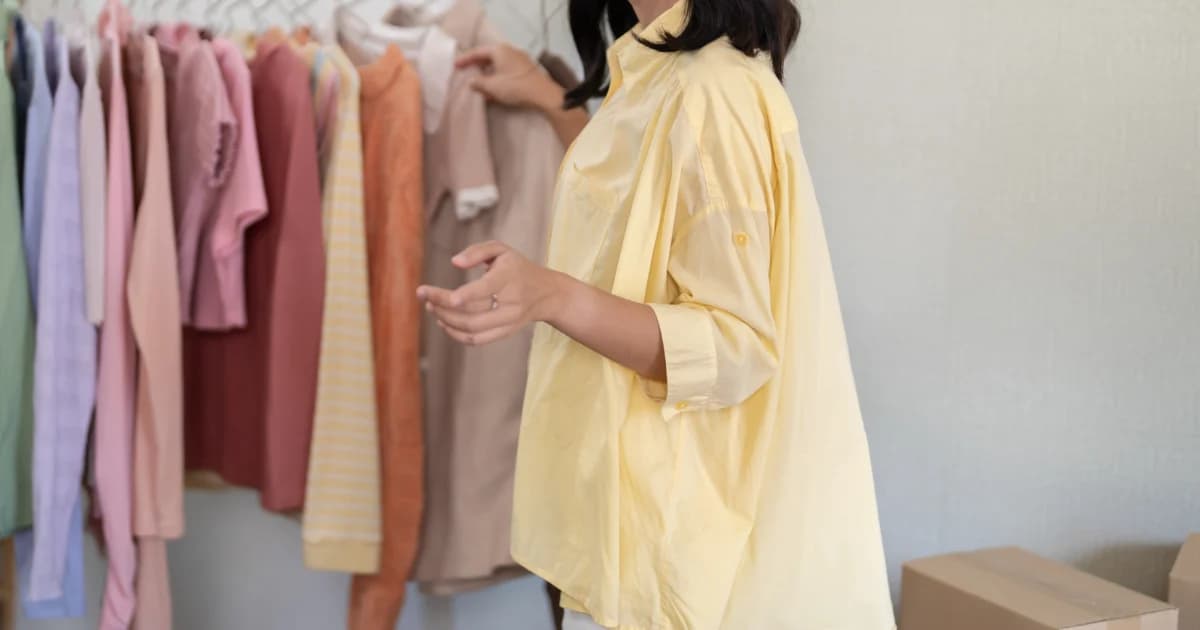
Personal style is more than just the clothes you wear. It is a powerful form of self-expression that communicates who you are without saying a word. Every detail—from the colors you choose to the way you combine pieces—tells a story about your preferences, confidence, lifestyle, and mindset. In the modern world, where first impressions often happen quickly, the way you present yourself visually plays a significant role in how others perceive you.
Understanding the connection between personal style and personality can help you build a wardrobe that truly represents who you are. It also allows you to communicate authenticity, confidence, and intention through the way you dress every day.
The Psychology Behind Personal Style
Personal style is deeply connected to psychology. People often choose clothing based on how they feel, how they want to feel, or how they want others to perceive them. This concept is sometimes referred to as “fashion psychology,” where the visual elements of
For example:
Structured clothing often reflects discipline and professionalism.
Soft and relaxed silhouettes can suggest comfort and approachability.
Bright colors may indicate creativity and optimism.
Neutral tones often communicate elegance and simplicity.
The items in a wardrobe are not random. Over time, individuals naturally collect pieces that align with their identity, lifestyle, and aspirations.
Your outfit becomes a visual language that tells others about your personality traits such as:
Confidence
Creativity
Organization
Simplicity
Boldness
Sophistication
When people develop a personal style that aligns with their true self, they often feel more comfortable, confident, and authentic in their daily lives.
How Clothing Choices Reveal Personality Traits
Every person develops unique preferences when it comes to clothing. These preferences gradually form a signature style that others begin to associate with them.
Below are some ways clothing can reflect personality.
1. Minimalist Style and Organized Personalities
People who prefer clean lines, neutral colors, and simple designs often value clarity and structure in their lives. Their dressing choices usually include well-fitted pieces that are timeless rather than trendy.
This type of
Prefer organization
Appreciate efficiency
Value quality over quantity
Maintain a calm and balanced lifestyle
Minimalist dressing often communicates professionalism and reliability.
2. Bold Style and Creative Personalities
Individuals who enjoy experimenting with patterns, colors, and statement pieces usually have expressive personalities. Their wardrobe may include unique textures, layered looks, and standout accessories.
These choices often represent:
Creativity
Confidence
Artistic thinking
A willingness to stand out
People with bold personal style tend to view fashion as a way to showcase individuality rather than simply follow trends.
3. Classic Style and Elegant Personalities
Classic
Their wardrobe often reflects:
Confidence in tradition
Attention to detail
Long-term thinking
Grace and composure
Classic dressing rarely goes out of style, which is why it is associated with stability and maturity.
4. Casual Style and Relaxed Personalities
Casual dressing focuses on comfort and practicality. This style is often seen in individuals who prioritize ease and flexibility in their daily routine.
Their clothing choices may include:
Relaxed fits
Comfortable fabrics
Simple combinations
Functional pieces
Casual style often represents individuals who are approachable, practical, and adaptable.
The Role of Dressing in Self-Expression
Dressing is one of the easiest ways to express identity without speaking. The clothes you choose every day can reflect your mood, goals, and personal story.
Many people change their
Work environment
Social events
Personal mood
Cultural influences
Lifestyle
For example, someone preparing for a professional meeting may choose structured clothing to project confidence and authority. On the other hand, a relaxed weekend look might include comfortable and effortless pieces.
When dressing becomes intentional, it transforms from a routine into a form of personal branding.
Your personal style can communicate:
Ambition
Creativity
Professionalism
Elegance
Energy
This is why people who develop a consistent wardrobe identity often stand out more easily.
Building a Wardrobe That Reflects Your Personality
A well-planned wardrobe should not only follow trends but also represent your identity. The key is selecting clothing that aligns with both your lifestyle and personality.
Here are important steps to build a meaningful wardrobe.
Understand Your Lifestyle
Your daily activities influence your dressing choices. Someone working in a corporate environment will naturally develop a different style compared to someone in a creative field.
When selecting clothing, consider:
Work requirements
Social lifestyle
Climate
Comfort preferences
Personal goals
A wardrobe that fits your daily routine makes dressing easier and more consistent.
Identify Your Personal Aesthetic
Every individual has a natural style preference. Some people lean toward elegant dressing, while others prefer relaxed or modern looks.
You can identify your aesthetic by asking:
Which outfits make me feel most confident?
What colors do I naturally choose?
Which clothing pieces do I wear most often?
What style inspires me?
Once you identify your style direction, building a wardrobe becomes much simpler.
Focus on Versatile Outfits
Versatile outfits allow you to mix and match pieces easily. This approach helps maintain a consistent style while maximizing the use of each item.
Examples of versatile clothing include:
Neutral tops
Structured jackets
Classic trousers
Simple dresses
Layering pieces
These items create a strong foundation for a balanced wardrobe.
Choose Quality Over Quantity
People who truly understand their personal style usually focus on quality rather than collecting too many items. High-quality clothing lasts longer and maintains its appearance over time.
A thoughtful wardrobe often includes:
Durable fabrics
Timeless designs
Comfortable fits
Reliable staples
This approach reflects a personality that values intention and refinement.
The Influence of Colors on Personality Expression
Color plays a major role in personal style. The shades you choose in your clothing can influence how others perceive you and how you feel throughout the day.
Different colors are often associated with different personality traits.
Black
Often associated with sophistication, authority, and confidence.
White
Represents simplicity, clarity, and elegance.
Blue
Communicates calmness, trust, and stability.
Red
Symbolizes energy, passion, and boldness.
Pastel tones
Often reflect softness, creativity, and warmth.
Neutral shades
Show balance, versatility, and timeless taste.
People who consistently wear certain color palettes often develop a recognizable personal style. Over time, this color identity becomes part of their visual personality.
How Personal Style Builds Confidence
One of the most powerful benefits of personal style is confidence. When individuals wear clothing that aligns with their identity, they feel more comfortable and self-assured.
Confidence through dressing often comes from:
Wearing well-fitted clothing
Choosing outfits that reflect personality
Feeling prepared for the day
Presenting a consistent image
A thoughtful wardrobe reduces decision fatigue and allows individuals to focus on their goals rather than worrying about appearance.
People who feel confident in their style often perform better in:
Professional settings
Social interactions
Creative environments
Personal branding opportunities
In many ways, personal style becomes a tool for self-empowerment.
The Connection Between Fashion Trends and Personal Identity
People who maintain a strong personal style often follow trends selectively. They choose elements that align with their personality rather than adopting everything that becomes popular.
This approach helps create:
A consistent wardrobe
A recognizable style
Long-lasting outfits
A balanced look
True style is not about copying trends; it is about adapting them in a way that fits your personality.
Personal Style in Professional Environments
In professional settings, clothing and dressing choices play an important role in shaping perceptions. A well-planned outfit can communicate professionalism, reliability, and confidence.
Workplace style often reflects:
Attention to detail
Organizational skills
Professional goals
Personal discipline
For example:
A structured wardrobe may reflect leadership qualities.
A polished look often suggests reliability.
Clean and balanced dressing communicates professionalism.
Developing a professional wardrobe does not mean sacrificing personality. Instead, it involves blending individuality with appropriate dressing standards.
Cultural and Social Influence on Style
Personal style is also shaped by cultural background, social environment, and global influences. Over time, individuals combine traditional elements with modern trends to create a unique style identity.
Cultural influences may appear in:
Fabric choices
Patterns
Color combinations
Accessories
Layering techniques
This blend of influences makes personal style dynamic and meaningful. It allows individuals to express both heritage and modern identity through clothing.
How Social Media Shapes Modern Style
In today’s digital world, social platforms have become major sources of style inspiration. People often discover new outfit ideas, styling techniques, and wardrobe concepts through online communities.
However, the most effective approach is using inspiration while maintaining authenticity.
Instead of copying looks directly, individuals should adapt ideas that suit:
Their personality
Their comfort level
Their daily lifestyle
Their wardrobe structure
When personal style remains authentic, it feels natural rather than forced.
Signs You Have Found Your True Personal Style
Many people experiment with different clothing before discovering what truly suits them. Once personal style becomes clear, dressing becomes easier and more enjoyable.
You may have discovered your style if:
You feel confident in most of your outfits
Your wardrobe pieces match each other easily
People recognize your signature look
Shopping becomes more intentional
You prioritize comfort and authenticity
At this stage, clothing becomes less about trends and more about identity.
Tips to Strengthen Your Personal Style
If you want your personal style to better reflect your personality, these strategies can help.
Evaluate Your Current Wardrobe
Look at the clothing you wear most often and identify patterns in colors, fits, and designs.
Define Your Style Words
Choose three words that describe how you want your style to feel, such as elegant, modern, or relaxed.
Create Outfit Combinations
Experiment with mixing pieces from your wardrobe to discover new looks.
Invest in Signature Pieces
Signature items help create a recognizable identity.
Stay Authentic
The most important aspect of style is authenticity. Your wardrobe should feel like a natural extension of who you are.
Why Personal Style Matters More Today
In today’s world, personal branding has become increasingly important. Whether online or offline, people often form impressions quickly based on appearance.
Your clothing and dressing choices influence how others perceive your:
Confidence
Professionalism
Creativity
Personality
A thoughtful wardrobe helps communicate these qualities clearly.
As modern life becomes more visual and digitally connected, personal style plays an even bigger role in shaping identity and influence.
Personal style is ultimately a reflection of individuality. Through clothing, dressing choices, and carefully selected outfits, people communicate their personality, lifestyle, and aspirations. When individuals understand their style identity, their wardrobe becomes more meaningful, confident, and authentic.
