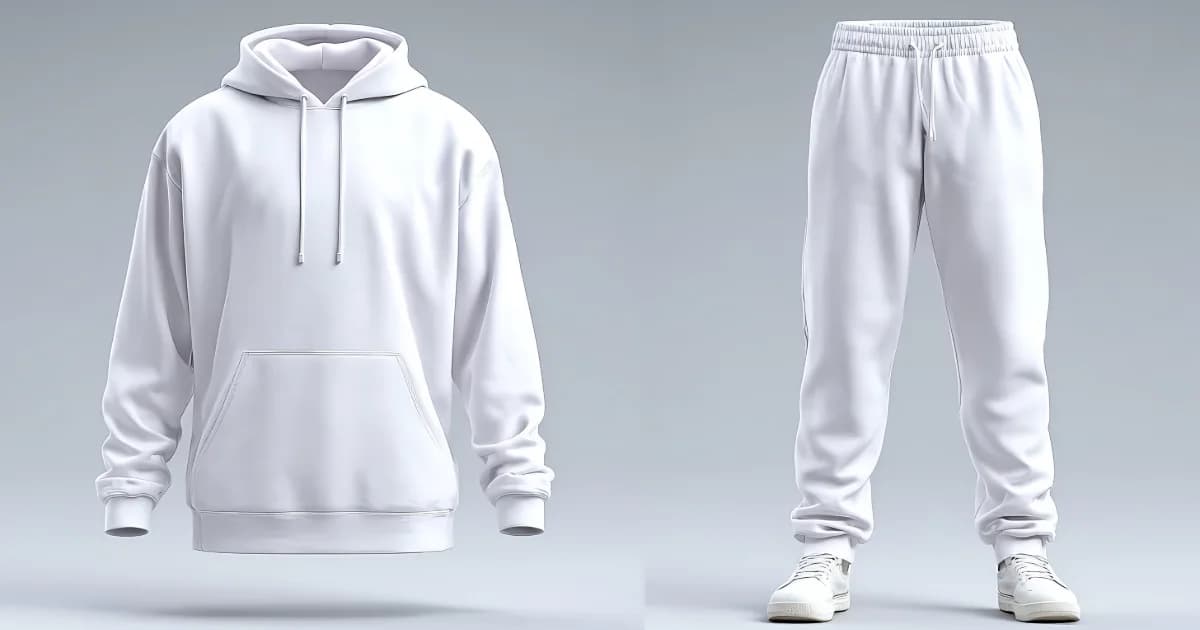
Fashion in India is undergoing a quiet but powerful transformation. Where dressing up was once synonymous with structure, stiffness, and visual perfection, today’s approach is noticeably different. Comfort has moved from being an afterthought to becoming the foundation of everyday style. Indian women are no longer choosing between looking good and feeling comfortable they are demanding both. This shift reflects deeper changes in how people live, work, and express themselves. Long commutes, hybrid work cultures, evolving social norms, and greater self-awareness have all contributed to a fashion landscape that prioritises ease without abandoning individuality or style. Modern Indian life looks very different from what it did a decade ago. Daily routines are faster, schedules are fuller, and boundaries between personal and professional spaces are increasingly blurred. Clothing now needs to support movement, long hours, and versatility. Fashion that restricts, pinches, or feels impractical no longer fits into these realities. Instead, women are gravitating toward Comfort-first fashion is not about dressing down it is about dressing intentionally. When clothes feel good on the body, confidence follows naturally. Indian women are recognising that confidence does not come from rigid silhouettes or trend-heavy dressing, but from feeling at ease in what they wear. This mindset has redefined how style is perceived. Fashion is no longer about impressing others or conforming to expectations. It is about self-expression rooted in authenticity. Comfortable outfits allow women to focus on their lives rather than adjusting, fixing, or enduring their clothes. One of the most visible changes in modern Indian fashion is the popularity of relaxed silhouettes. Loose-fit kurtas, flowy dresses, wide-leg pants, oversized shirts, and co-ord sets have become wardrobe staples. These silhouettes allow airflow, movement, and ease especially important in India’s varied climate. They also flatter a wide range of body types, supporting inclusivity and reducing pressure to fit into narrow standards of beauty. Comfort-first silhouettes are not shapeless or careless. When designed well, they strike a balance between structure and softness, making them ideal for everyday wear. Fabric choice plays a crucial role in comfort-first fashion. Indian women are becoming more aware of how materials interact with the body and climate. Breathable, skin-friendly fabrics such as cotton, linen blends, modal, and soft knits are preferred for daily wear. These materials reduce discomfort during long hours and are easier to maintain. The focus has shifted from heavy embellishment to thoughtful fabric selection that supports comfort without compromising on style. This fabric-conscious approach aligns with a more modern understanding of fashion—one that values function as much as form. Footwear is a key indicator of the comfort-first shift. High heels and rigid shoes, once considered essential for looking “put together,” are no longer everyday defaults. Indian women are choosing Importantly, comfort no longer means compromising on style. Footwear today blends functionality with aesthetic appeal, making it easier to build outfits that feel complete and effortless. Accessories have evolved alongside comfort-first fashion. Rather than heavy or restrictive add-ons, women are choosing Lightweight scarves, functional bags, minimal jewellery, and practical belts are preferred for everyday use. Third-party elements like beauty choices natural makeup, low-maintenance hair, and skin-focused routines also align with this comfort-driven aesthetic. Accessories today are chosen for their ability to enhance daily life, not complicate it. The shift toward comfort-first fashion is especially evident in workwear. Traditional office dressing often prioritised formality over ease, resulting in uncomfortable clothing that felt disconnected from long working hours. With hybrid and flexible work cultures becoming more common, clothing needs to adapt to varied environments. Comfort-first workwear meets this demand while maintaining professionalism. Indian fashion brands have played a significant role in supporting comfort-first trends. Many homegrown labels are focusing on breathable fabrics, inclusive sizing, and functional design. These brands understand local climates, body types, and lifestyle needs. By prioritising comfort, they are reshaping how Indian fashion is produced and consumed. This has also made comfort-first fashion more accessible across price points. The popularity of such brands signals a broader shift in consumer expectations comfort is no longer optional; it is essential. Comfort-first fashion also reflects changing attitudes toward body image and beauty. Indian women are increasingly rejecting the idea that style must involve discomfort or restriction. Clothing that allows the body to exist naturally without constant correction or concealment is becoming more accepted. This shift challenges long-standing Third-party influences from global fashion movements have supported this transition, but the change is deeply rooted in local realities and lived experiences. Comfort-first fashion encourages personal style rather than uniform trends. Women are building wardrobes based on what works for their routines, climates, and preferences. This has led to more thoughtful outfit choices and fewer impulse purchases. Clothing is selected for how it feels during an entire day, not just how it looks in a mirror or photograph. The result is fashion that feels lived-in, expressive, and authentic. Comfort-first fashion often overlaps with more sustainable practices. Investing in well-made, comfortable garments encourages longer use and reduces waste. Women are choosing pieces they can wear repeatedly without discomfort, supporting mindful consumption. This approach benefits both personal wardrobes and the larger fashion ecosystem. As sustainability becomes a greater concern, comfort-first fashion offers a practical pathway toward more responsible dressing. Social Media and the Normalisation of Comfort Social media has helped normalise comfort-first fashion by showcasing real-life styling rather than idealised perfection. Influencers and creators are sharing This visibility has validated comfort-focused choices and encouraged women to prioritise their own needs. Fashion content today celebrates ease, relatability, and functionality—values that resonate strongly with Indian audiences. One of the most powerful aspects of this shift is its cross-generational appeal. Comfort-first fashion resonates with young women navigating fast-paced lives as well as older women seeking ease and practicality. This universality has made comfort-focused trends deeply embedded in Indian fashion culture. It is not a passing phase but a reflection of changing priorities across age groups. At its core, comfort-first fashion supports everyday living. It acknowledges that clothing is worn for long hours, varied tasks, and real movement—not just special occasions. By prioritising comfort, Indian women are redefining what it means to dress well. Fashion is becoming more inclusive, functional, and aligned with lived experiences. The comfort-first movement shows no signs of slowing down. As lifestyles continue to evolve, fashion will increasingly reflect the need for ease, adaptability, and authenticity. Designers, brands, and consumers are collectively shaping a future where fashion works with the body, not against it. Comfort-first fashion represents a more thoughtful, humane approach to style—one that values how clothing feels as much as how it looks. In modern India, comfort is no longer a compromise. It is a statement.Changing Lifestyles, Changing Fashion Choices
Comfort as a Form of Confidence
The Rise of Relaxed Silhouettes
Fabrics That Prioritise the Body
Footwear Designed for Real Life
Accessories That Enhance, Not Overwhelm
Workwear That Works With the Body
Homegrown Brands and the Comfort Movement
Cultural Shifts and Redefining Beauty Standards
Everyday Fashion That Feels Personal
The Role of Sustainability in Comfort-First Fashion
Comfort-First Fashion Across Generations
Fashion That Supports Everyday Living
The Future of Comfort-First Fashion in India
.webp&w=3840&q=75)
The Shift Towards Comfort-First Fashion in Modern India
13 January 2026
Tags:
#comfort-first fashion#Indian fashion trends#everyday style India#modern Indian women#lifestyle fashion#workwear trends#casual fashion India

Reach a Wider Audience!
Advertise with us and showcase your brand to our vast community of fashion enthusiasts. Maximize your impact by placing an ad in our magazine.