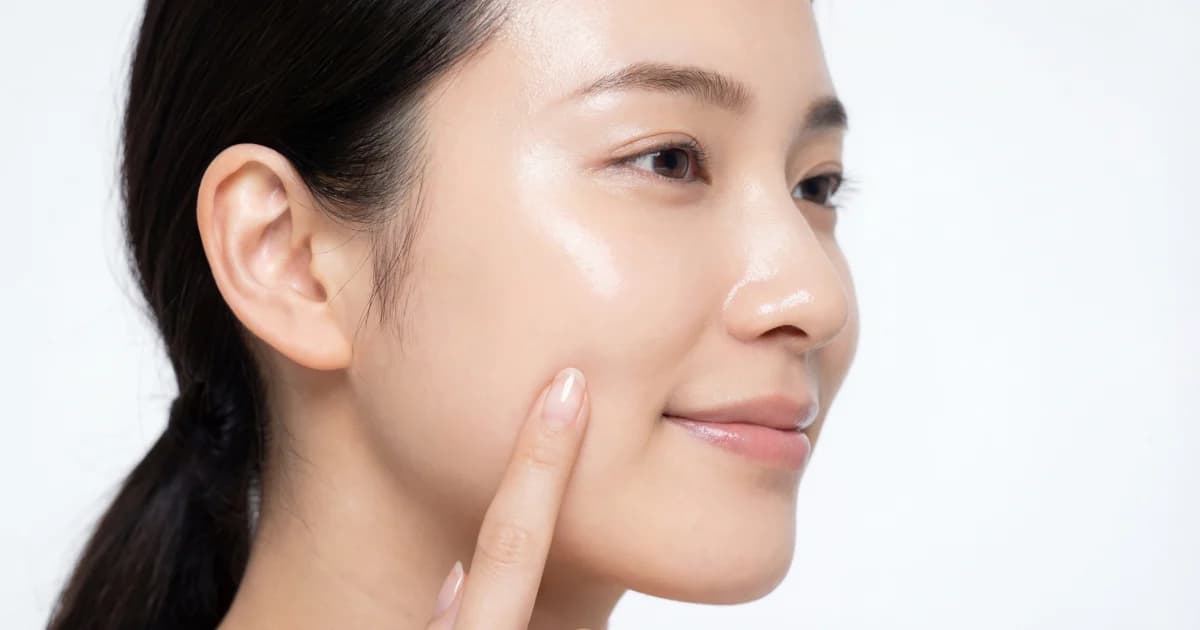
Understanding the Concept of Glass Skin. The beauty industry continuously evolves, introducing innovative skincare philosophies that redefine how individuals approach skin health. One of the most influential movements in recent years is the concept of glass skin. This skincare trend focuses on achieving a complexion so smooth, clear, and radiant that it resembles the reflective surface of glass. Glass skin is not simply about applying makeup or temporary cosmetic enhancements. Instead, it emphasizes deep skin health, hydration, and consistent care that improves the skin’s natural appearance over time. The goal is to create a luminous complexion where pores appear refined, texture becomes smoother, and the overall tone looks balanced and hydrated. The idea behind glass skin originates from skincare philosophies that prioritize prevention, nourishment, and gentle treatment of the skin barrier. Instead of relying on heavy coverage or corrective products, the focus shifts toward maintaining skin clarity and strengthening the natural structure of the skin. This approach aligns with modern beauty ideals that value healthy skin as the foundation of beauty. As consumers become more informed about skincare science, trends like glass skin have gained global popularity, influencing routines, product formulations, and beauty standards across different cultures. The rise of glass skin is deeply connected to the global influence of Korean beauty culture. Korean skincare practices emphasize long-term skin health through multi-step routines, lightweight formulations, and consistent hydration. Unlike traditional skincare routines that may focus primarily on cleansing and moisturizing, Korean skincare introduced layered routines designed to nourish the skin at multiple levels. These routines include steps such as double cleansing, toning, essence application, serum treatments, and intensive moisturization. The philosophy behind this method is that healthy skin should be nurtured gently rather than aggressively treated. By strengthening the skin barrier and maintaining hydration levels, the skin naturally appears smoother and more radiant. As Korean beauty products gained international attention, the glass skin concept quickly became a global aspiration. Beauty enthusiasts began adopting skincare techniques that promote luminous, hydrated skin rather than relying solely on makeup to achieve a flawless appearance. The trend also reflects the growing lifestyle shift toward wellness-oriented beauty practices. Consumers now view skincare as an essential component of self-care rather than a purely cosmetic routine. Glass skin is defined by several key visual and structural characteristics that distinguish it from other beauty trends. These attributes combine to create the luminous effect that has made the trend so desirable. One of the most recognizable features is intense hydration. Well-hydrated skin reflects light more effectively, creating the glossy appearance associated with glass skin. Hydration also improves skin elasticity and reduces the appearance of fine lines. Another defining element is smooth texture. Achieving glass skin requires refining the skin surface so that rough patches, enlarged pores, and uneven texture become less noticeable. Clarity is equally important. Skin should appear free from visible congestion, blemishes, and dullness. Maintaining a consistent routine helps prevent issues that can disrupt the skin’s natural balance. Balanced tone also contributes to the overall effect. When skin pigmentation appears even and luminous, it enhances the reflective quality associated with glass skin. These characteristics work together to Understanding the science behind glass skin helps explain why the trend has become so effective and popular. The skin consists of multiple layers that protect the body while maintaining hydration and resilience. The outermost layer, often referred to as the skin barrier, plays a critical role in preventing moisture loss and shielding the skin from environmental damage. When this barrier becomes weakened or Glass skin routines focus on repairing and strengthening this barrier. Hydrating ingredients such as hyaluronic acid, glycerin, and ceramides help retain moisture within the skin while supporting its natural structure. Exfoliation also plays a strategic role in maintaining smoothness. Gentle exfoliation removes dead skin cells that accumulate on the surface, allowing newer and healthier cells to emerge. However, excessive exfoliation can lead to irritation or damaged skin. For this reason, glass skin routines emphasize balanced treatments that support the skin rather than overstimulate it. By maintaining hydration and preserving the skin barrier, individuals can gradually improve their complexion and achieve the radiant glow associated with glass skin. One of the defining aspects of the glass skin movement is the structured skincare routine designed to elevate skin quality over time. Although routines may vary depending on individual needs, several key steps remain central to achieving the desired results. The process often begins with double cleansing. This technique involves using an oil-based cleanser to remove makeup, sunscreen, and impurities, followed by a gentle water-based cleanser to remove remaining residue. Toning is the next step, helping rebalance the skin’s moisture levels while preparing it to absorb additional products. Modern toners often include hydrating and soothing ingredients rather than alcohol-based formulas. Essences are lightweight treatments designed to deliver hydration and improve skin texture. These products help support the skin’s natural repair process and enhance overall luminosity. Serums provide targeted treatments that address specific concerns such as dullness, uneven tone, or dehydration. Their concentrated formulations deliver active ingredients deep into the skin layers. Moisturizers then seal hydration into the skin, creating a protective barrier that prevents moisture loss. Sunscreen remains one of the most critical steps in preserving glass skin. Daily sun protection prevents UV damage that can lead to premature aging, hyperpigmentation, and damaged skin cells. Hydration forms the foundation of glass skin. Well-hydrated skin cells function more effectively, improving the skin’s resilience and visual clarity. When skin lacks moisture, it may appear dull, tight, or uneven. Dehydrated skin can also exaggerate fine lines and irregular texture. Hydrating ingredients help maintain optimal moisture levels while supporting the skin’s natural repair mechanisms. These ingredients draw water into the skin and lock it in place to prevent evaporation. In addition to topical products, The combination of internal and external hydration strategies enhances the overall glow that defines glass skin. The rise of glass skin has also influenced makeup trends. Instead of heavy foundations and matte finishes, many individuals now prefer lightweight makeup that enhances natural radiance. Tinted moisturizers, illuminating primers, and hydrating foundations complement glass skin routines by preserving the skin’s natural glow. This shift toward natural beauty reflects a broader movement within the beauty industry. Consumers increasingly prioritize skincare over makeup, focusing on long-term improvements rather than temporary coverage. Makeup artists also adapt their techniques to highlight luminous skin. The balance between Skincare products alone cannot achieve glass skin without supportive lifestyle habits. Daily routines that promote overall wellness contribute significantly to skin health. Sleep plays a vital role in skin regeneration. During rest, the body repairs damaged cells and restores the skin barrier. Insufficient sleep can lead to dullness and uneven texture. Nutrition also influences skin quality. Foods rich in antioxidants, vitamins, and healthy fats support collagen production and maintain skin elasticity. Stress management is equally important. Chronic stress can trigger inflammation and disrupt the skin’s natural balance, potentially leading to breakouts or irritation. By maintaining a balanced lifestyle, individuals can reinforce the benefits of their skincare routines and achieve more consistent results. Digital platforms have played a crucial role in amplifying the glass skin trend. Beauty influencers, skincare experts, and dermatologists frequently share routines and product recommendations online. Tutorial videos demonstrate the step-by-step process required to achieve luminous skin, making the trend accessible to a global audience. Social media also allows consumers to document their skincare journeys, inspiring others to adopt similar routines. Before-and-after transformations showcase the visible improvements that consistent skincare can deliver. This digital visibility has transformed glass skin from a niche skincare philosophy into a mainstream beauty movement. As demand for glass skin grows, cosmetic companies continue to develop innovative formulations that support hydration and skin barrier repair. Modern products incorporate advanced delivery systems that enhance ingredient absorption while maintaining gentle formulations suitable for sensitive skin. Sustainable packaging and clean beauty standards also influence product development. Consumers increasingly seek skincare solutions that align with ethical and environmental values. These innovations reflect the evolving expectations of modern beauty consumers who prioritize effectiveness, safety, and transparency. The global spread of the glass skin trend demonstrates how beauty philosophies can transcend cultural boundaries. What began as a regional skincare approach has now influenced routines across continents. Different cultures adapt the concept to suit their unique skincare needs and climate conditions. Some individuals simplify the routine, while others embrace the full multi-step approach. Despite these variations, the underlying principle remains the same: healthy skin forms the foundation of beauty. The emphasis on hydration, nourishment, and gentle care resonates with individuals seeking long-term solutions rather than quick cosmetic fixes. The popularity of glass skin reflects a broader transformation within the beauty industry. Consumers are becoming more educated about skincare ingredients, dermatological science, and long-term skin health. Future trends will likely continue emphasizing skin barrier protection, personalized skincare routines, and technology-driven innovations. Artificial intelligence, skin analysis tools, and customized product formulations may further refine how individuals approach skincare. As the beauty landscape evolves, the principles behind glass skin hydration, balance, and healthy skin The trend represents more than a temporary aesthetic preference; it symbolizes a shift toward mindful beauty practices that elevate skincare into an essential part of modern lifestyle.The Origins of the Glass Skin Trend
Characteristics of Glass Skin
Skincare Science Behind Glass Skin
The Multi-Step Routine That Elevates Skin Health
The Role of Hydration in Radiant Skin
Minimal Makeup and Natural Beauty
Lifestyle Factors That Support Glass Skin
Social Media and the Popularity of Glass Skin
Innovation in Skincare Products
The Global Influence of Glass Skin
The Future of Skincare Trends
The Rise of Glass Skin: The Skincare Trend Taking Over Beauty
06 March 2026
Tags:
#glass skin#skincare trend#korean skincare#glowing skin#skincare routine#healthy skin#beauty trends#skincare lifestyle#radiant skin#skin hydration

Reach a Wider Audience!
Advertise with us and showcase your brand to our vast community of fashion enthusiasts. Maximize your impact by placing an ad in our magazine.