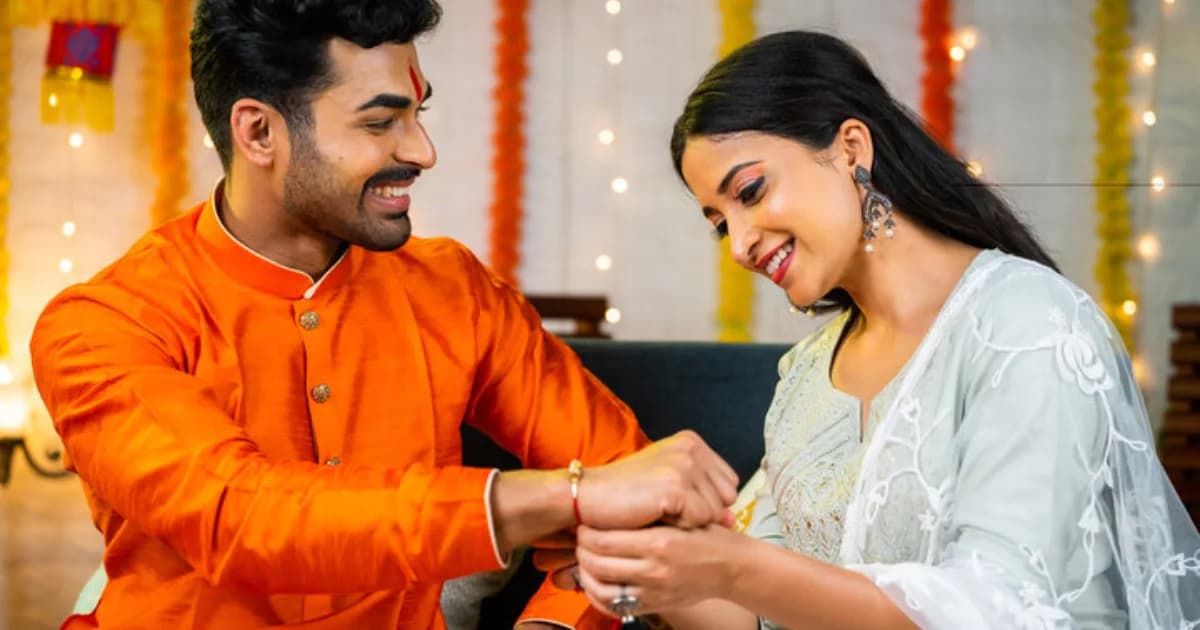
Raksha Bandhan is one of India's most cherished festivals, celebrating the special bond between brothers and sisters. The festival is traditionally marked by a sister tying a rakhi, a sacred thread, around her brother's wrist. In return, the brother offers a gift and promises to stand by his sister through life's challenges.
Yet, Raksha Bandhan is far more diverse than this familiar ritual suggests. Across India, the festival takes different forms, carries different names, and incorporates local customs. While the central idea remains the same, regional communities bring their own
This diversity makes Raksha Bandhan a beautiful example of how one festival can unite people while allowing different cultures to retain their unique identity.
The Common Thread That Connects India
At its heart, Raksha Bandhan is about affection, protection, gratitude, and family. The rakhi itself represents a symbolic promise of care, while the exchange of gifts adds a contemporary element to the celebration.
However, the meaning of the festival has evolved. Today, Raksha Bandhan is not limited to the idea of a brother protecting his sister. Many families see it as a celebration of mutual support and an opportunity to appreciate the relationship between
This changing interpretation reflects the evolving
Raksha Bandhan in North India
In northern states, Raksha Bandhan is generally celebrated with elaborate family gatherings. Homes are cleaned and decorated, traditional sweets are prepared, and family members come together for the ceremony.
On the day of the festival, sisters often prepare a puja thali containing a rakhi, roli, rice grains, sweets, and a diya. After performing the ritual, they tie the rakhi on their brothers' wrists and exchange blessings and gifts.
In many households, the celebration extends beyond immediate family. Cousins and close family friends may also participate, demonstrating how Indian family relationships often extend beyond biological connections.
Jhulan Purnima and Rakhi Traditions in Eastern India
In parts of West Bengal, Odisha, and other eastern regions, Raksha Bandhan may coincide with local religious and cultural celebrations. The festival can take on a more devotional character, with prayers and rituals forming an important part of the day.
The cultural
These differences show that festivals are shaped not only by religious customs but also by local history and cultural practices.
Raksha Bandhan and Coastal Traditions
In Maharashtra, Raksha Bandhan is closely associated with Narali Purnima, particularly among coastal communities. The day holds significance for fishing communities, who offer coconuts to the sea and seek blessings for a safe and prosperous fishing season.
The presence of these rituals alongside Raksha Bandhan demonstrates how India's festivals often overlap with regional customs. A single date on the calendar can carry different meanings for different communities.
Here, the celebration connects family relationships with nature, livelihood, and community identity.
Rajasthan's Distinctive Celebration
Rajasthan brings its own colourful character to Raksha Bandhan. The festival is celebrated with traditional clothing, sweets, family gatherings, and beautifully decorated rakhis.
In some communities, the festival also involves relationships that extend beyond the conventional brother and sister bond. Women may tie rakhis to individuals they consider protectors or important members of their social circle.
These practices highlight the broader social meaning of Raksha Bandhan. Its essence is not simply the thread itself but the emotional relationship and commitment represented by it.
Different Rakhis, Different Expressions
One of the most visible changes in Raksha Bandhan celebrations is the variety of rakhis available today. Traditional cotton threads continue to be popular, but modern designs include handmade rakhis, personalised pieces, eco-friendly materials, children's characters, and minimalist styles.
Regional craftsmanship also plays an important role. Artisans create rakhis using beads, silk threads, wood, metal, embroidery, and other locally available materials.
The rakhi therefore becomes more than a ceremonial object. It can represent local craftsmanship, creativity, and cultural identity while adapting to changing consumer preferences.
Food: A Celebration Within the Celebration
No Indian festival feels complete without food, and Raksha Bandhan is no exception. Families prepare or purchase sweets such as laddoos, barfi, rasgulla, and peda, depending on their regional preferences.
In many homes, the menu extends beyond sweets to include festive meals featuring local specialities. From North Indian delicacies to eastern sweets and western Indian snacks, food adds another layer of cultural identity to the festival.
These culinary differences are a reminder that festivals are experienced through all the senses. The sights, sounds, flavours, and rituals associated with Raksha Bandhan can vary dramatically while the emotional significance remains familiar.
How Modern Families Are Redefining Raksha Bandhan
Modern lifestyles have changed the way siblings celebrate Raksha Bandhan. Families living in different cities or countries may no longer be able to gather around the same puja thali. Instead, rakhis and gifts are sent through courier services, while video calls help families participate virtually.
Personalised gifts, online rakhi shopping and digital greetings have become part of the modern celebration. Some siblings even choose experiences over traditional presents, such as planning a holiday together or spending quality time as a family.
These changes do not necessarily diminish the festival's cultural
One Festival, Many Cultural Stories
The beauty of Raksha Bandhan lies in its ability to bring together unity and diversity. The central ritual may be familiar across the country, but its expression changes from one region to another.
For some, it is a deeply spiritual occasion. For others, it is primarily a family celebration. In certain communities, it connects with seasonal or occupational rituals, while modern families may focus more strongly on the emotional bond between siblings.
What remains consistent is the desire to celebrate relationships.
Raksha Bandhan therefore represents something much larger than the tying of a sacred thread. It reflects India's ability to preserve regional identity while sharing common cultural experiences. The festival has been
From colourful rakhis and regional sweets to family prayers and virtual celebrations, every community adds its own story to Raksha Bandhan. Together, these stories create a festival that belongs to one country but is expressed through countless cultures.
And perhaps that is the real strength of Raksha Bandhan: different customs, different influences, and different ways of celebrating, all connected by one simple thread of love and togetherness.
