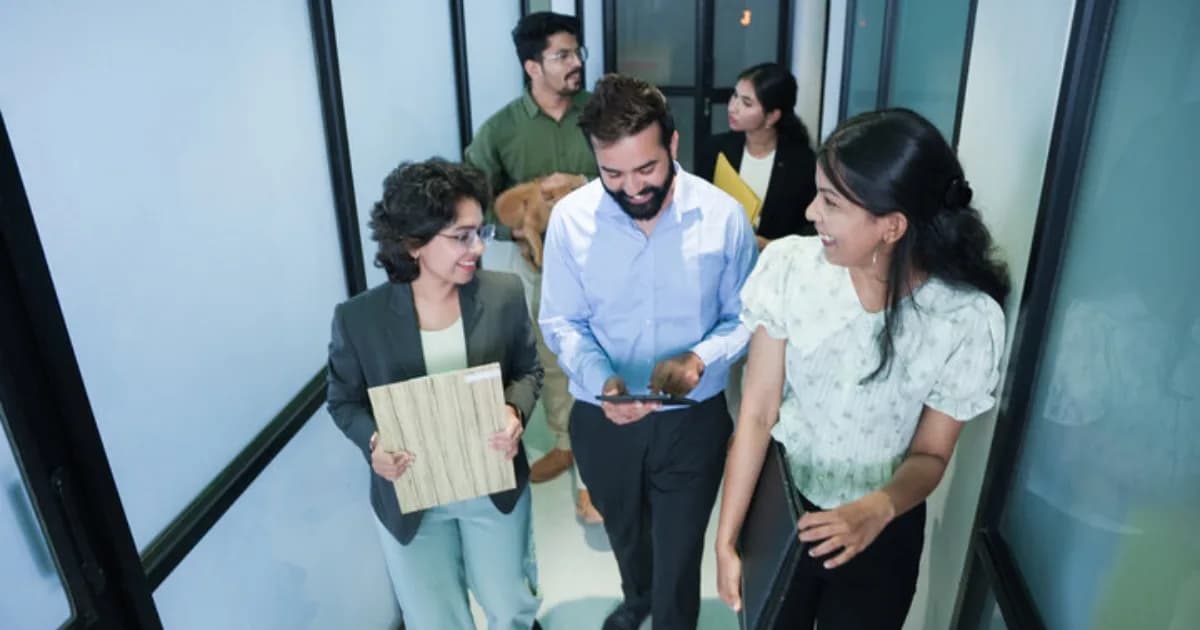
Indian corporate fashion has changed significantly over the years. The traditional idea of formal office dressing was once limited to crisp shirts, structured trousers, pencil skirts, and conventional suits. Today, professionals have more freedom to express their personality while maintaining a polished appearance.
The rise of hybrid workplaces, creative industries, startups, and modern corporate environments has contributed to this shift. Indian workwear now combines international office aesthetics with local fabrics, silhouettes, colours, and cultural influences.
From tailored trousers paired with Indian-inspired shirts to elegant kurtas styled with structured pants, contemporary office dressing is becoming more versatile. The goal is no longer simply to look formal. It is to create an appearance that feels professional, comfortable, and authentic.
What Makes an Indian Corporate Outfit Work?
A successful corporate outfit balances comfort, practicality, and professionalism. While every workplace has its own
Fit is one of the most important factors. Clothing does not need to be extremely tight or oversized to look fashionable. A
Fabric also matters, particularly in India's climate. Cotton, linen blends, lightweight wool, viscose, and breathable textiles can make long working days more comfortable. Choosing fabrics that resist excessive wrinkling can also help maintain a polished look from morning meetings to evening presentations.
Building a Smart Indian Workwear Wardrobe
A versatile corporate wardrobe should contain pieces that can be mixed and matched easily. This makes getting dressed for work simpler while ensuring that your overall appearance remains
For women, tailored trousers, straight fit pants, midi skirts, structured dresses, shirts, blazers, and elegant kurtas can form the foundation of a professional wardrobe. Sarees can also work beautifully in corporate environments when styled with minimal accessories and clean, structured blouses.
For men, formal trousers, Oxford shirts, polo shirts in business casual workplaces, blazers, chinos, and well-tailored suits offer plenty of styling possibilities. Neutrals such as navy, charcoal, beige, white, black, and grey make versatile foundations.
The key is to invest in quality pieces rather than constantly buying new clothing. A smaller wardrobe with interchangeable essentials can offer considerably more outfit combinations.
Incorporating Indian Elements Into Office Fashion
Indian corporate workwear does not have to imitate Western business fashion completely. Traditional influences can be incorporated subtly while maintaining a professional appearance.
A well-cut kurta paired with straight trousers can create an effortlessly polished outfit. A handloom shirt can add texture and character to an otherwise minimal wardrobe. Similarly, a muted sari with a structured blouse can be an elegant choice for formal meetings, conferences, and professional events.
Indian textiles such as cotton, linen, khadi, silk blends, and handloom fabrics can add individuality to office dressing. However, the styling should remain
The idea is to balance cultural identity with contemporary tailoring. Minimal prints, refined patterns, solid colours, and clean silhouettes often work particularly well in corporate settings.
Choosing Colours for Corporate Dressing
Colour plays an important role in professional styling. Neutral shades remain popular because they are easy to combine and create a sophisticated appearance.
Navy, charcoal, black, white, beige, cream, brown, and muted blue are reliable choices for everyday office outfits. They can be paired with subtle accent colours to prevent a wardrobe from feeling repetitive.
Professionals who prefer brighter shades can introduce colour through shirts, blouses, scarves, ties, bags, or footwear. Jewel tones such as emerald, burgundy, and deep blue can create visual interest without appearing overly casual.
The workplace should always influence colour choices. A creative agency may allow more experimentation, while a law firm, financial institution, or formal corporate office may require a more restrained approach.
Smart Casual vs Formal Corporate Workwear
Not every working day requires a traditional formal outfit. Many Indian workplaces now operate with a
Smart casual does not mean careless dressing. A crisp shirt with tailored trousers, a knit top with a structured blazer, or a simple kurta with polished footwear can create an appropriate balance.
Formal corporate occasions call for greater structure. Client presentations, interviews, conferences, board meetings, and important business events may require suits, blazers, formal shirts, tailored trousers, or sophisticated Indian attire.
Understanding when to dress up and when to keep things relaxed is an important part of developing professional style.
Accessories That Complete the Look
Accessories should complement corporate outfits rather than dominate them. A structured handbag, classic watch, simple belt, understated jewellery, or polished shoes can instantly make an outfit appear more refined.
Footwear is particularly important. Loafers, pumps, ballet flats, formal lace-ups, block heels, and clean minimalist sneakers can work depending on the workplace environment.
For Indian inspired outfits, accessories such as small earrings, delicate bracelets, or a simple stole can add personality without distracting from the overall look.
The best accessories are practical as well as stylish. Since professionals may spend several hours wearing them, comfort should remain an important consideration.
Dressing for India's Climate
India's varied climate makes fabric selection especially important for corporate wardrobes. Professionals working in warmer cities may find breathable cotton and linen blends more comfortable than heavy synthetic materials.
Layering can be useful during cooler months or in offices with strong air conditioning. Lightweight blazers, cardigans, overshirts, and scarves can be added without making the outfit feel bulky.
Clothing should also be selected according to commuting habits. Someone who travels by public transport may need different wardrobe solutions from someone who drives directly to the office.
Comfort is not a luxury in workwear. When clothing allows easy movement and temperature control, professionals are more likely to feel confident and focused throughout the day.
Common Corporate Workwear Mistakes to Avoid
Even an expensive outfit can appear unsuitable if the details are overlooked. Wrinkled clothing, poorly maintained shoes, excessive accessories, distracting prints, and clothing that does not fit properly can affect the overall impression.
Professionals should also avoid confusing current fashion trends with workplace suitability. Not every trend is appropriate for every office environment.
Personal grooming matters too. Clean shoes, neat hair, well-maintained clothing, and thoughtful styling often make a stronger impression than expensive designer pieces.
The objective is not to dress identically to everyone else. Instead, corporate dressing should communicate confidence, professionalism, and an understanding of the environment.
The Future of Indian Corporate Workwear
The future of Indian corporate fashion is likely to become even more flexible. Younger professionals are challenging traditional ideas about what office clothing should look like, while businesses are increasingly adopting more relaxed workplace cultures.
At the same time, Indian designers and fashion labels are creating collections that bring traditional craftsmanship into contemporary wardrobes. This creates opportunities for professionals to embrace Indian textiles and design while maintaining a modern corporate aesthetic.
Sustainability is another important consideration. Investing in durable garments, repeating outfits, choosing versatile pieces, and supporting responsible fashion practices can make corporate wardrobes more conscious.
Ultimately, Indian corporate workwear is moving towards a more personalised definition of professionalism. The modern professional does not necessarily need a rigid uniform. Instead, they need clothing that fits their workplace, lifestyle, personality, and responsibilities.
A smart corporate wardrobe should therefore be practical, polished, and adaptable. Whether the choice is a tailored suit, a contemporary kurta, a crisp shirt, or a refined sari, the most
