Ever wondered what truly stands between your skin and the harsh realities of the world? It's not just a layer of cells; it's a meticulously crafted shield known as your skin barrier. Think of it as your body's first line of defense, a microscopic bouncer that decides what gets in and what stays out.
In the quest for glowing, healthy skin, we often focus on the latest serums, active ingredients, and intricate routines. But what if I told you the true secret to a resilient complexion lies in understanding and nurturing this often-overlooked hero?
In this comprehensive guide, we'll dive deep into the fascinating world of your skin barrier, explore why it's absolutely crucial for skin health, and most importantly, equip you with the knowledge to decode its signals and give it the care it deserves.
What Exactly Is Your Skin Barrier?
To put it simply, your skin barrier, also known as the stratum corneum, is the outermost layer of your epidermis. Imagine a brick wall: the "bricks" are your skin cells (corneocytes), and the "mortar" holding them together is a lipid matrix composed of ceramides, cholesterol, and fatty acids. This ingenious structure forms a protective, semi-permeable membrane.
Its primary functions are twofold:
Keeping Good Stuff In: It prevents transepidermal water loss (TEWL), ensuring your skin stays hydrated, plump, and supple. Without a strong barrier, moisture evaporates rapidly, leading to dryness and dehydration.
Keeping Bad Stuff Out: It acts as a shield against environmental aggressors like pollution, UV radiation, bacteria, allergens, and irritants. A robust barrier means fewer breakouts, less inflammation, and reduced sensitivity.
The Unsung Hero: Why Your Skin Barrier Matters More Than You Think
A healthy skin barrier is the cornerstone of healthy skin. Period. When this vital shield is compromised, a cascade of issues can follow. Here's why its integrity is non-negotiable:
Hydration is Key: As mentioned, it's the gatekeeper of your skin's moisture. A strong barrier keeps water locked in, maintaining optimal hydration levels.
Reduced Sensitivity and Irritation: When your barrier is intact, irritants and allergens have a harder time penetrating, leading to less redness, itching, and general discomfort.
Protection Against Pathogens: It defends against harmful bacteria, fungi, and viruses, reducing the risk of infections and breakouts.
Even Skin Tone and Texture: A well-functioning barrier contributes to smoother, more even-toned skin, as inflammation and dryness can exacerbate texture issues.
Optimized Product Efficacy: When your barrier is healthy, your skincare products can work more effectively because they're being applied to a receptive and balanced canvas. Conversely, applying potent actives to a damaged barrier can cause further irritation.
Anti-Aging Benefits: A compromised barrier can accelerate the aging process by allowing free radicals to penetrate more easily and by contributing to chronic low-grade inflammation.
Decoding the Signals: Is Your Skin Barrier Compromised?
So, how do you know if your skin barrier is struggling? Your skin is an excellent communicator, and it will send you clear signals if its defenses are down. Pay attention to these common signs:
Persistent Dryness and Flakiness: Even after moisturizing, your skin feels tight, parched, or looks visibly flaky. This is a classic sign of excessive water loss.
Increased Redness and Sensitivity: Your skin reacts easily to products it once tolerated, or you experience persistent redness, flushing, or a burning sensation.
Itchiness and Discomfort: An itchy sensation, even without a visible rash, can indicate irritation due to a compromised barrier.
Sudden Breakouts or Worsening Acne: When the barrier is weak, bacteria can more easily penetrate and trigger inflammation, leading to more frequent or severe breakouts.
Stinging or Burning Sensation from Products: Even gentle products might sting or burn upon application, indicating that your skin's protective layer is too thin or damaged to tolerate them.
Dullness and Lack of Radiance: Dehydrated skin often looks lacklustre and dull, as light doesn't reflect as well off a rough surface.
Exacerbated Skin Conditions: If you have eczema, rosacea, or psoriasis, a compromised barrier can lead to more frequent flare-ups and increased severity of symptoms.
Rebuilding and Nurturing Your Skin Barrier: Your Action Plan
The good news is that your skin barrier is incredibly resilient and can be repaired and strengthened with the right approach. Here's how to give your skin the love and support it needs:
1. Simplify Your Skincare Routine
Less is often more when your barrier is compromised. Hit pause on harsh activities and focus on gentle, nourishing products.
Avoid Over-Exfoliation: Put down the scrubs, retinoids, and strong AHAs/BHAs for a while. Over-exfoliation is one of the quickest ways to strip your barrier.
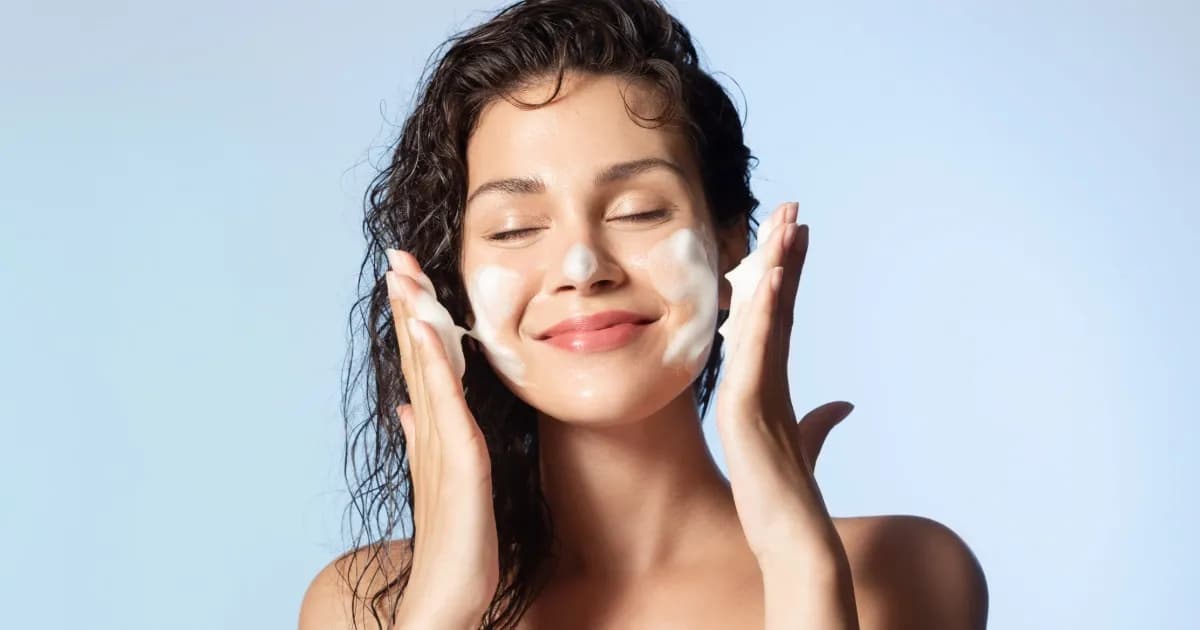
Gentle Cleansing: Opt for a mild, hydrating, sulfate-free cleanser. Avoid hot water, which can further strip natural oils. Lukewarm water is best.
Patch Test New Products: Always introduce new products slowly and patch test them, especially if your skin is sensitive.
2. Prioritize Barrier-Repairing Ingredients
Look for skincare ingredients that mimic the natural components of your skin barrier or help to support its function.
Ceramides: These are the "mortar" of your skin barrier. Products rich in ceramides help replenish lost lipids, rebuilding the brick-and-mortar structure.
Hyaluronic Acid: A powerful humectant that draws moisture from the air into your skin, providing deep hydration without feeling heavy.
Fatty Acids (e.g., Linoleic Acid, Oleic Acid): Essential for maintaining the lipid matrix. Look for ingredients like shea butter, squalane, or oils like jojoba and sunflower.
Cholesterol: Another crucial lipid that works alongside ceramides and fatty acids to strengthen the barrier.
Niacinamide (Vitamin B3): A versatile ingredient that can help improve barrier function, reduce redness, and regulate oil production.
Glycerin: A common and effective humectant that helps to attract and retain moisture.
Squalane: A non-comedogenic emollient that mimics the skin's natural oils, providing hydration and improving barrier function.
3. Lock in Moisture (The Right Way)
Moisturizer is your best friend when it comes to barrier repair.
Apply to Damp Skin: Apply your moisturizer immediately after cleansing or after applying a hydrating serum, while your skin is still slightly damp. This helps to lock in the water.
Choose the Right Texture: If your skin is very dry, opt for richer creams or balms. If it's combination or oily, a gel-cream might be more suitable, but ensure it's still barrier-supportive.
Consider Occlusives: Ingredients like petrolatum, mineral oil, or dimethicone can form a protective layer on the skin, preventing water loss. They are excellent for severely dry or compromised barriers.
4. Protect from Environmental Stressors
Prevention is always better than cure.
Sun Protection is Non-Negotiable: UV radiation is a major culprit in barrier damage. Use a broad-spectrum sunscreen with at least SPF 30 every single day, rain or shine.
Avoid Extreme Temperatures: Both very hot and very cold water, as well as harsh winds, can strip your skin's natural oils.
Manage Stress: Chronic stress can impact skin health, including barrier function. Find healthy ways to manage stress, whether it's exercise, meditation, or hobbies.
Humidify Your Environment: Especially in dry climates or during winter months, a humidifier can add much-needed moisture to the air, preventing your skin from drying out.
5. Be Patient and Consistent
Repairing a compromised skin barrier takes time and consistency. Don't expect overnight miracles. Stick to your gentle, nourishing routine for several weeks, and you'll gradually see improvements in your skin's resilience, hydration, and overall health.
Understanding and nurturing your skin barrier isn't just a trend; it's a fundamental principle of healthy skincare. By decoding its signals and providing it with the right support, you're not only addressing current skin concerns but also laying the groundwork for a stronger, more radiant complexion in the long term. So, listen to your skin, respect its protective shield, and watch as it transforms into the resilient, glowing canvas you've always desired. Your skin barrier is your unsung hero – it's time to give it the recognition it deserves.
