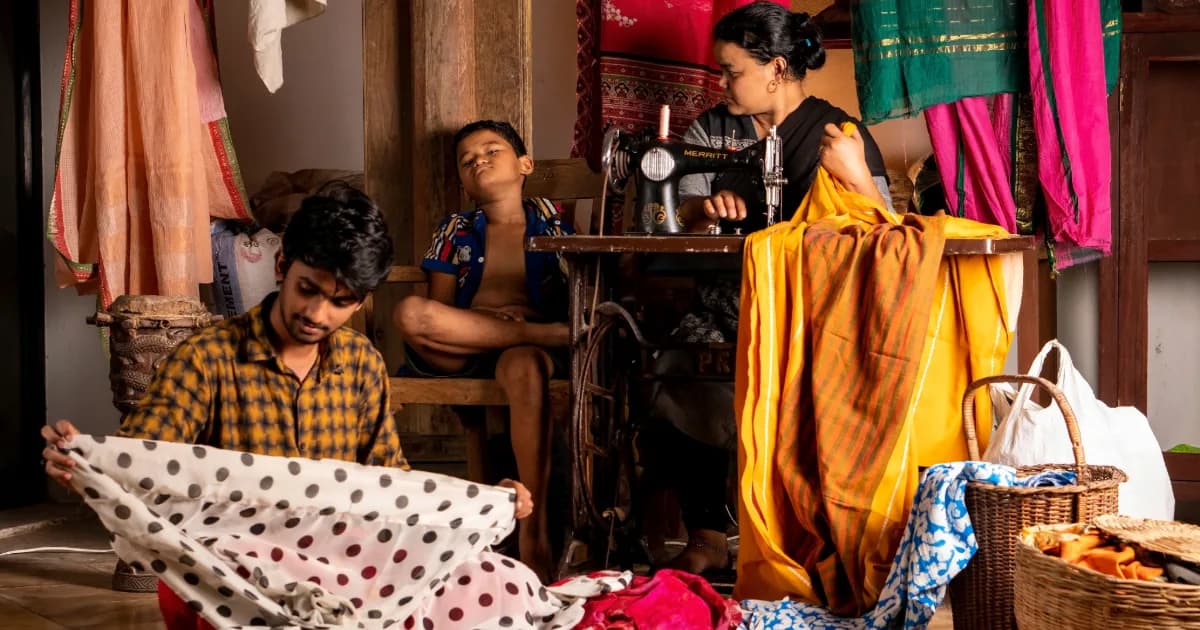
The Indian fashion industry has entered a period where consumers no longer look only for attractive designs or luxury labels. Modern buyers want representation, individuality, and a stronger connection with brands that reflect their realities. Fashion is becoming more than clothing; it is becoming a statement of identity and values. Younger audiences in particular expect brands to acknowledge cultural backgrounds, body types, lifestyles, and personal preferences. As India becomes increasingly connected through digital platforms and urban development, customer expectations continue to evolve rapidly. Fashion labels are now realizing that inclusivity directly impacts growth and long-term relevance. Instead of creating collections for a narrow segment of consumers, many businesses are expanding their offerings to reach wider audiences. Brands are adapting their marketing campaigns, visual storytelling, and product lines to create more meaningful experiences. The influence of India has always been recognized for its rich cultural diversity. Different states, regions, and communities contribute unique design traditions that influence clothing styles. Modern fashion labels are now revisiting traditional inspirations and transforming them into contemporary interpretations. This approach allows brands to honor heritage while meeting current consumer preferences. Designers are experimenting with embroidery techniques, local craftsmanship, and region-specific aesthetics to create collections that appeal to modern audiences. Traditional clothing elements are being integrated into everyday fashion, making heritage styles more accessible. Contemporary versions of Fashion diversity extends beyond visual representation and size inclusion. It also involves creating spaces where people from different backgrounds feel seen and valued. The industry has started recognizing that consumers vary across age groups, abilities, identities, and lifestyles. Brands that once followed highly standardized approaches are now adopting broader perspectives in their product development strategies. Inclusive collections today often feature adaptive designs, gender-neutral styles, and options for different age demographics. Fashion campaigns increasingly include individuals who represent real communities instead of unrealistic standards. Many businesses understand that customers want to see people they can relate to rather than idealized images. Through social media, customers openly share opinions and experiences regarding representation. Brands with Strong portfolios that demonstrate consistency in diversity initiatives are building stronger emotional relationships with their audiences and gaining consumer trust over time. Digital transformation has reshaped the way fashion businesses operate and communicate with customers. Online platforms have given brands opportunities to engage directly with audiences and understand changing preferences faster than ever before. Data-driven insights help businesses identify trends, consumer expectations, and market demands with greater precision. The impact of social media extends beyond promotion because it has become an active environment where trends emerge and communities form. Consumers are no longer passive viewers; they participate in discussions, provide feedback, and influence decisions. Many Indian fashion brands are collaborating with creators from different communities to ensure broader representation. This shift has contributed to stronger engagement and more authentic messaging. Companies with Strong portfolios in digital storytelling are often better positioned to connect with evolving customer expectations while remaining competitive in Diversity within fashion also intersects with sustainability and ethical production practices. Consumers increasingly prefer products that align with social and environmental values. As a result, brands are making conscious efforts to adopt responsible sourcing practices and improve production methods. Sustainable fashion is no longer viewed as a niche category; it is becoming an important factor influencing purchase decisions. Many Indian fashion companies are using locally sourced fabrics and collaborating with artisans to reduce environmental impact while preserving traditional craftsmanship. Sustainable practices also create economic opportunities for local communities and smaller producers. Product categories now include environmentally conscious clothing as well as carefully designed accessories that complement modern lifestyles. Businesses embracing ethical production with The future of Indian fashion will likely be shaped by deeper inclusion and broader representation. Consumers today expect brands to go beyond symbolic efforts and demonstrate meaningful commitment through their products, campaigns, and organizational values. Diversity is gradually moving from a trend-based strategy to a long-term business principle. Fashion brands are increasingly introducing adaptable collections that suit different lifestyles and preferences. The market for modern ethnic wear continues to expand as consumers seek versatile clothing options that merge tradition with contemporary appeal. Premium Changing Consumer Expectations and Inclusive Fashion
Celebrating Cultural Identity Through Design
Diversity Beyond Body Size and Appearance
Technology and Digital Influence on Representation
Sustainability and Responsible Fashion Choices
The Future of Diversity in Indian Fashion
.webp&w=3840&q=75)
How Indian Fashion Brands Are Embracing Diversity
19 June 2026
Tags:
#Indian fashion#diversity in fashion#inclusive fashion#fashion trends#cultural representation#sustainable fashion#fashion industry#modern style#fashion brands#Indian style

Reach a Wider Audience!
Advertise with us and showcase your brand to our vast community of fashion enthusiasts. Maximize your impact by placing an ad in our magazine.