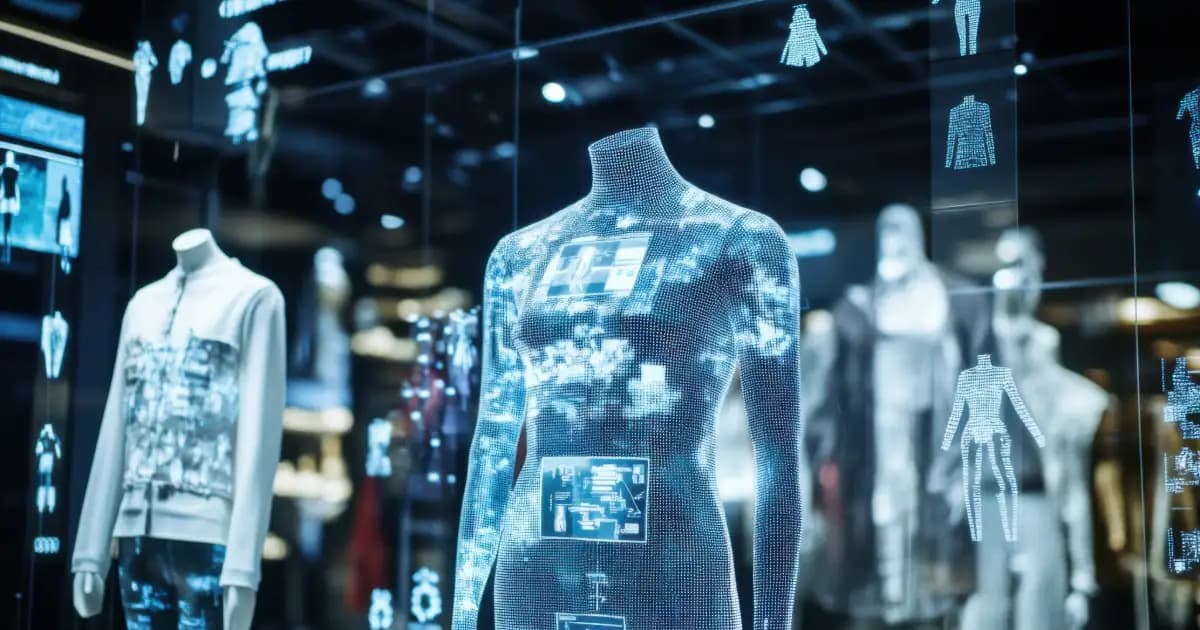
Fashion has always evolved alongside technology. From sewing machines during the Industrial Revolution to digital design software in the early 2000s, every generation has witnessed a shift in how clothing is created and consumed. In 2026, artificial intelligence is becoming one of the most powerful forces influencing the global fashion industry. AI is no longer limited to automation or customer support. It is now directly shaping creativity, production, personalization, and even consumer behavior.
Designers, retailers, and global
The future of fashion design is now a combination of human imagination and intelligent systems working together.
AI Is Redefining the Creative Process
Traditional fashion design often begins with mood boards, sketches, fabric sourcing, and seasonal inspiration. Designers spend weeks researching colors, textures, cultural influences, and customer preferences before creating a collection. AI is changing this process by reducing the time needed for research and concept development.
Modern AI platforms can analyze millions of fashion images, runway shows, online searches, and shopping behaviors within minutes. These systems identify emerging patterns and provide designers with insights into what consumers may want next season. Instead of relying entirely on instinct, creators now combine artistic ideas with data-driven recommendations.
Many luxury and streetwear brands are already experimenting with AI-generated designs. Algorithms can suggest silhouettes, color palettes, or fabric combinations based on historical sales and current online engagement. This does not mean designers are becoming less important. In fact, AI helps them focus more on innovation because repetitive tasks are automated.
Fashion students and independent creators are also benefiting from accessible AI tools. Smaller designers who once lacked resources for extensive market analysis can now compete with larger companies using affordable technology. This democratization of creativity is opening doors for fresh perspectives across the industry.
At the same time, some
Trend Forecasting Has Become More Accurate
One of the biggest challenges in fashion has always been predicting trends. A failed collection can lead to major financial losses, excess inventory, and environmental waste. AI is helping solve this issue through advanced forecasting systems.
By analyzing social media conversations, influencer activity, shopping habits, and online search behavior, AI can identify trends before they become mainstream. Fashion companies no longer need to depend solely on seasonal reports or manual research teams. AI provides real-time insights that allow businesses to respond quickly to changing consumer interests.
For example, if certain colors or styles begin trending among
The speed of modern fashion cycles has made AI forecasting even more important. Trends now emerge and disappear rapidly due to platforms like TikTok and Instagram. AI helps companies stay competitive in an environment where consumer attention changes almost daily.
This predictive ability also supports sustainability. Accurate forecasting reduces overproduction, which has long been one of the fashion industry's biggest environmental problems. By producing only what consumers are likely to purchase, companies can minimize textile waste and improve efficiency.
Personalized Fashion Experiences Are Growing
Consumers today expect personalized experiences in nearly every industry, and fashion is no exception. AI is transforming how customers shop by offering recommendations tailored to individual preferences.
Online retailers use machine learning algorithms to analyze browsing history, purchase behavior, body measurements, and style interests. This information helps create highly personalized shopping suggestions. Customers receive recommendations that match their tastes instead of generic product lists.
Virtual fitting technology powered by AI is also becoming more common. Shoppers can upload photos or use augmented reality tools to see how clothing may look on their bodies before purchasing. This reduces return rates and improves customer confidence.
Some fashion companies are even using AI to create fully customized clothing. Intelligent systems can suggest outfits based on lifestyle, climate, personality, and
AI-powered personalization also extends to marketing. Fashion campaigns are now tailored to specific audiences based on behavior patterns and interests. Customers see advertisements and collections that feel more relevant to their identities and preferences.
Sustainability Is Becoming Smarter
Sustainability has become one of the most important discussions in fashion. Consumers are more aware of environmental issues, ethical sourcing, and waste generated by fast fashion. AI is playing a major role in helping the industry move toward more responsible practices.
One of the key benefits of AI is inventory optimization. Companies can better predict demand, reducing unsold products that often end up in landfills. Smart manufacturing systems also improve efficiency by minimizing fabric waste during production.
AI is assisting with material innovation as well. Researchers are developing intelligent systems capable of identifying eco-friendly fabrics and sustainable alternatives to traditional materials. Through
Digital fashion is another growing trend connected to sustainability. Some consumers are purchasing virtual outfits for gaming, social media, or digital environments instead of physical garments. While this concept still feels futuristic to many people, it demonstrates how technology is changing the meaning of fashion ownership.
Additionally, AI helps companies monitor supply chains more effectively. Brands can track environmental impact, labor conditions, and sourcing transparency using intelligent data systems. This creates more accountability within the industry and encourages ethical production practices.
Consumers increasingly support companies that prioritize sustainability, and AI is becoming a valuable tool for meeting these expectations.
AI and Smart Fashion Technology
The future of fashion is not only about design but also functionality. Smart clothing integrated with AI technology is becoming more advanced each year.
Wearable fashion now includes garments capable of monitoring body temperature, heart rate, movement, and wellness patterns. Some products are designed for fitness, while others focus on healthcare or lifestyle enhancement. AI allows these devices to process information and provide personalized feedback to users.
Fashion technology companies are exploring fabrics that adapt to environmental conditions. Imagine jackets that automatically adjust insulation based on temperature changes or athletic wear that tracks performance in real time. These innovations blur the line between clothing and technology.
Luxury brands are also incorporating AI into customer engagement. Smart mirrors in retail stores can suggest outfit combinations, while AI assistants provide styling advice instantly. The shopping experience is becoming more interactive and immersive.
As
The industry is preparing for a future where designers may need technical knowledge alongside artistic skills.
The Role of Human Creativity Still Matters
Despite the rapid growth of AI, human creativity remains at the center of fashion design. Fashion is deeply connected to storytelling, identity, emotion, and cultural expression. AI can analyze data and generate patterns, but it cannot fully replicate human experiences or emotional depth.
Designers bring meaning to clothing through personal narratives, heritage, and social commentary. Some of the most influential collections in fashion history were driven by emotion, rebellion, or cultural movements rather than market analysis alone.
AI works best as a collaborative tool rather than a replacement for human designers. It can speed up technical processes and provide insights, but final creative decisions still rely heavily on human judgment.
Many designers are using AI to experiment with ideas they may never have considered before. Instead of limiting creativity, technology can inspire unexpected directions and encourage innovation. This partnership between humans and machines may define the next era of fashion.
At the same time, ethical concerns continue to grow. Questions about copyright, originality, and data ownership are becoming more important as AI-generated fashion becomes more common. Industry leaders will need to create regulations that protect both innovation and artistic integrity.
Fashion Careers Are Evolving
The rise of AI is also changing career opportunities within fashion. Future professionals may require skills that combine creativity with technology and data analysis.
Fashion companies are increasingly hiring AI specialists, digital artists, data analysts, and virtual designers alongside traditional creative teams. Roles related to 3D modeling, digital fashion environments, and AI-assisted design are expanding rapidly.
Fashion education is adapting to meet these changes. Universities and online learning platforms now offer courses focused on AI tools, virtual fashion production, and digital retail strategies. Students entering the industry are preparing for a more technology-driven future.
This transformation does not mean older skills are disappearing completely. Hand craftsmanship, textile knowledge, and artistic direction remain valuable. However, professionals who understand both creativity and technology may have stronger opportunities in the evolving industry.
Collaboration between technical experts and designers is becoming essential for innovation. The future fashion workplace will likely combine software engineers, artists, marketers, and sustainability specialists working together more closely than ever before.
The Future of Fashion Will Be Hybrid
The fashion industry is entering a hybrid era where digital intelligence and human artistry coexist. AI is improving efficiency, sustainability, personalization, and innovation across every stage of fashion design. At the same time, consumers still value authenticity, craftsmanship, and emotional storytelling.
The future will likely include a balance between technology-driven systems and human-centered creativity. Designers who embrace AI while maintaining originality may shape the next generation of fashion culture.
As technology continues to evolve, the relationship between fashion and AI will become even stronger. From smart fabrics to virtual fashion worlds, the industry is moving toward experiences that were once considered science fiction.
Fashion has always reflected society’s evolution, and AI represents the next major transformation. Rather than replacing creativity, it is expanding the possibilities of what fashion can become in a digital age.
