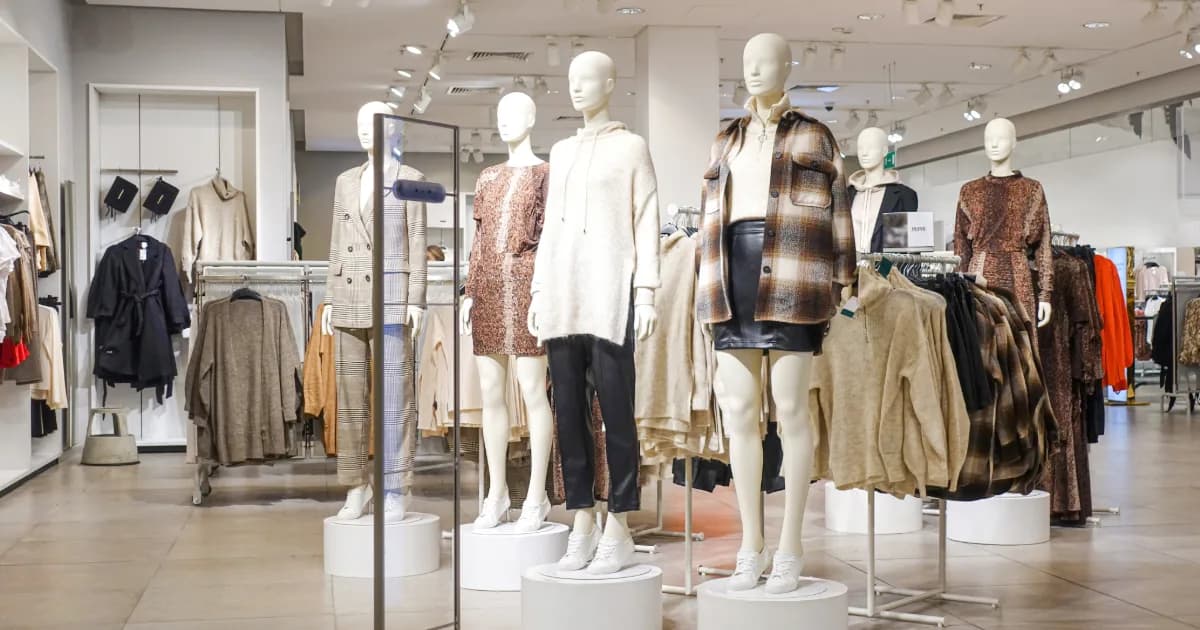
The Rise of Conscious Consumerism
In the last decade, the fashion industry has witnessed a monumental shift. The race for cheaper, faster, and trendier clothes—once dominated by fast fashion—has begun to lose its charm. Today’s consumers are asking deeper questions: Who made my clothes? What materials were used? How sustainable is my purchase? This awareness marks the rise of conscious consumerism, a movement steering fashion away from mindless consumption toward meaningful creation and ethical responsibility.
Fast fashion once thrived on the allure of affordability and accessibility. It introduced trends at lightning speed, pushing consumers to buy more and discard faster. However, as environmental awareness grows, the darker side of this industry—its fabrics, labor exploitation, and pollution—has become impossible to ignore. The result? A global turn toward slow style, a philosophy that values quality, longevity, and transparency over quantity.
Understanding the Fast Fashion Fallout
Fast fashion’s appeal has always been rooted in convenience. But the true cost of that convenience is now evident across the world. Factories producing essentials bags,
The overproduction of Silhouette-inspired jackets, dresses, and low-quality garments leads to billions of tons of clothing ending up in landfills annually. Many of these clothes are made from synthetic materials that take decades—or even centuries—to decompose. As consumers wake up to this reality, the shift toward slow fashion is gaining unstoppable momentum.
The Slow Style Revolution
Slow style or slow fashion isn’t just about wearing less—it’s about wearing better. It’s rooted in sustainability, craftsmanship, and emotional connection. The movement encourages consumers to buy fewer pieces that last longer, to invest in timeless designs, and to value outfit quality over fleeting trends.
Designers and artisans are leading this revolution by creating garments with purpose. Instead of focusing on seasonal trends, they focus on storytelling—drawing inspiration from cultural heritage, local craftsmanship, and eco-friendly processes. Every Red carpet look or everyday outfit becomes a reflection of personal identity, not mass-market influence.
Slow style also promotes mindful consumption—the practice of choosing fashion that aligns with one’s values. Whether it’s an artisan-made essentials bag, a responsibly sourced jacket, or a handwoven fabric from local weavers, each purchase is an act of support for sustainability.
The Cultural Connection: Fashion Meets Responsibility
Fashion has always been a mirror of society. As people embrace self-expression through clothing, there’s also a growing awareness of its social and environmental impact. This connection between culture and conscience defines modern fashion’s evolution.
Consumers today are moving beyond the glitz of the Red carpet and the glamour of fashion models on vibrant runways. They’re prioritizing meaning, sustainability, and social impact. This evolution represents more than just a change in shopping habits—it signifies a redefinition of beauty, success, and style itself.
Fashion houses are embracing this change by integrating eco-conscious fabrics and innovative
Sustainability Beyond Materials
The journey toward slow style extends beyond using sustainable fabrics. It’s also about transparency, ethical production, and education. Brands are increasingly revealing their supply chains, adopting fair wages, and ensuring safe working environments.
Technology, too, plays a crucial role. The use of digital tools helps reduce waste by predicting demand and optimizing fabric use. AI-based systems help brands design outfits more efficiently, ensuring minimal wastage while maintaining creativity.
Consumers, on their part, are learning to repair, reuse, and repurpose clothing. The rise of thrift culture, rental fashion, and second-hand platforms exemplifies a collective movement toward circular fashion. The message is clear: style doesn’t have to come at the planet’s expense.
The Rise of Minimalism in Fashion
Minimalism is becoming the new luxury. In a world overloaded with choices, simplicity speaks volumes. Slow fashion embraces this minimalism by promoting timeless, high-quality pieces—like well-crafted
The minimalist wardrobe, often referred to as the “capsule wardrobe,” allows people to curate a small collection of essentials that reflect their personal aesthetic. Whether it’s a makeup look inspired by natural tones or a neutral essentials bag, every piece has purpose and permanence.
This shift is not only sustainable but also liberating—it encourages people to redefine their relationship with fashion and consumption. Owning fewer, better items builds confidence and a sense of identity unshaped by fleeting
Indian Designers Leading the Slow Fashion Movement
India’s rich textile legacy and artisanal craftsmanship position it at the forefront of the slow fashion movement. Designers are merging traditional techniques with contemporary aesthetics, showing the world that sustainability and style can coexist beautifully.
Labels like Khadi-inspired collections, handwoven cotton, and silk pieces are redefining modern elegance. From eco-conscious jackets to Silhouette dresses that use natural dyes and organic fibers, Indian fashion is showcasing its commitment to sustainability while honoring heritage.
The Red carpet moments featuring Indian designs at international events have further cemented the country’s role in the global slow style narrative. Artisans, once marginalized by mass production, are now being celebrated as creators of authentic, luxurious, and timeless fashion.
Fashion Icons and Influencers Driving the Conversation
Influencers and celebrities play a crucial role in spreading awareness about conscious fashion. From donning ethically made outfits to supporting small brands that value sustainability, their choices impact millions of followers worldwide.
The younger generation—Gen Z in particular—demands accountability from brands. They use social media platforms to highlight vibrant runway moments, promote second-hand fashion, and educate others about sustainable choices. This online activism has transformed fashion from a superficial industry into a medium of empowerment and responsibility.
Even fashion models are joining the movement, advocating for inclusive, sustainable, and ethical representation on and off the runway. The focus is no longer on the newest collection but on the story behind each creation.
The Role of Innovation in Conscious Fashion
Technology is redefining the boundaries of sustainable design. From AI-driven fabric optimization to digital pattern-making, innovation is reducing the environmental footprint of the industry.
Modern
Brands are also leveraging blockchain technology to ensure transparency in their production processes. By tracing every step—from sourcing to sewing—consumers can verify the authenticity and ethics behind their purchases. This marriage of innovation and integrity is paving the way for a next generation of fashion thinkers.
Emotional Durability: The True Luxury
Slow fashion emphasizes emotional durability—the idea that true luxury lies in emotional connection, not price tags. When you invest in a handcrafted outfit or an ethically sourced
This emotional bond encourages longer use, mindful care, and appreciation for artistry. It also helps dismantle the culture of disposability perpetuated by fast fashion, creating a cycle of respect between creator, consumer, and environment.
The Future of Conscious Consumerism
The evolution from fast fashion to slow style signifies more than just a trend—it’s a cultural awakening. As sustainability, ethics, and design merge, the fashion world stands at a transformative crossroads.
The next generation of consumers will continue to prioritize purpose-driven fashion, demanding that brands uphold transparency and authenticity. The industry’s success will depend not on how quickly it can adapt to trends but on how deeply it can commit to lasting change.
The journey toward conscious consumerism is ongoing, but one thing is clear: the future of fashion lies in mindful choices, ethical creation, and the celebration of sustainability as the ultimate style statement.
