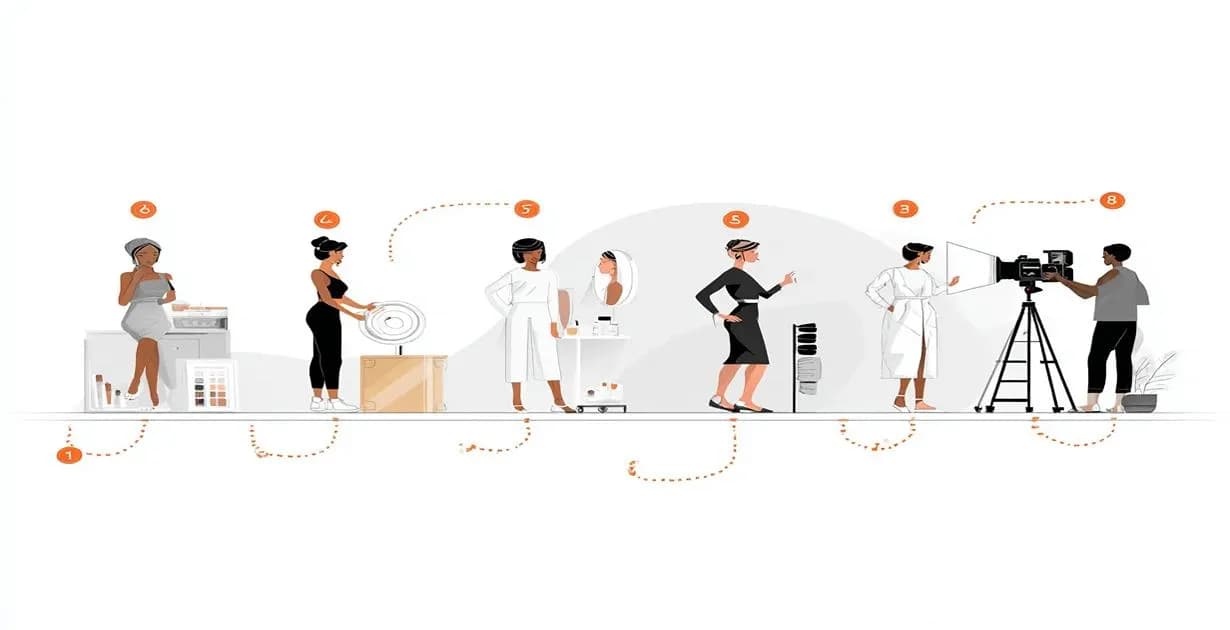
The lights dim. The music swells. A model glides down the What we don’t see are the countless hours of work, the discarded sketches, the late-night fittings, the frustrated moments, and the bursts of creative genius that all happen behind the scenes. The journey from a fleeting idea to a fully realized collection is a marathon of creativity, strategy, and relentless hard work. It's a deeply personal process for the designer, a journey that transforms a whisper of an idea into a tangible, commercial reality. Let’s pull back the curtain and take a deep dive into the intricate phases that define a designer's journey, revealing the true magic behind the fashion industry. Every collection begins with a single spark. This initial idea is the emotional core and guiding light of the entire process. A designer's inspiration can come from anywhere and anything: a painting, a historical era, a journey to a new country, a film, a piece of music, or even a fleeting emotion. Once a core theme is identified, the designer begins to build a mood board. This visual document is the collection's bible. It's a collage of images, The mood board is where the narrative begins. It dictates the direction for the silhouettes, the color palette, the prints, and the overall aesthetic, setting the stage for everything that follows. With the creative direction set, the designer must now ground their artistic vision in commercial reality. This is where extensive research comes in. The designer studies fashion trends, analyzes their competitors, and delves into what their target audience desires. The goal is to create something new and innovative while also being commercially viable. This phase is where the sketching truly begins. The designer translates the abstract concepts from the mood board into tangible, two-dimensional designs. There are two types of sketches here: Initial Sketches: Rough drawings that capture the initial idea and silhouette. They are a way to quickly explore multiple concepts. Technical Drawings (Flats): Detailed, scaled drawings of the front and back of each garment. These are crucial for the pattern-makers and seamstresses, as they provide a clear blueprint for construction, noting every stitch, seam, and detail. Simultaneously, the designer begins the crucial process of fabric sourcing. The choice of fabric can make or break a design. The designer must find materials that not only match the mood and aesthetic but also have the right drape, feel, and weight. Sourcing takes them to fabric fairs, mills, and suppliers, where they examine samples, negotiate prices, and make decisions that will literally shape the collection. This is the phase where the 2D sketches begin their journey to becoming 3D garments. It requires immense technical skill and a deep understanding of fit and form. Pattern Making: A skilled pattern maker takes the The Toile/Muslin: The first physical iteration of the design is called a toile or muslin. It’s a rough prototype made from an inexpensive fabric, often undyed cotton muslin. Its purpose is to test the pattern, silhouette, and fit. This is a critical step, as it allows the designer to make adjustments and corrections before using the expensive final fabric. The Fitting: The designer works with a fit model—someone whose measurements are consistent with the brand's size chart—to try on the toile. They check the fit, the drape, the proportion, and the movement of the garment. Pins, markers, and endless small adjustments are made to perfect the design. The back and forth between the designer and the pattern maker is a crucial part of this phase, as they refine the pattern piece by piece. Once the toile is perfected, the final patterns are created. The real work of production begins. Cutting & Sewing: The final fabric is carefully laid out and cut according to the refined pattern pieces. Skilled tailors and seamstresses meticulously sew each garment, bringing the design to life. This is a delicate and demanding process, particularly for intricate designs, delicate fabrics, or pieces with heavy embellishments. Embellishment & Finishing: Details are everything. This includes adding all the final touches—buttons, zippers, fasteners, The Lookbook Shoot: Before the collection hits the runway, it is professionally photographed on models in a studio setting. This creates the "lookbook," a catalogue of the entire collection that is used for sales and press. The runway show is the pinnacle of the creative process, the moment the designer's vision is unveiled to the world. But what happens Final Fittings & Alterations: Models arrive for their final fittings, and last-minute alterations are made. Hair & Makeup: The hair and makeup artists work on the models, meticulously creating the look that will complement the collection's theme. The Line-up: Just before the show, the models are arranged in the precise order they will walk, with the designer giving final instructions and encouragement. For smaller brands, a showroom presentation or an intimate digital lookbook might replace a full-scale runway show. These more focused presentations allow buyers and journalists to see the garments up close and understand the craftsmanship. The applause fades, but the work is not over. The show is just the beginning of the commercial journey. Sales: Buyers from department stores and boutiques place orders based on the lookbook and show. The designer works with them to understand their needs and secure the sales that will fund the next collection. Production: Once the orders are in, the designer and their team must oversee the manufacturing process. This involves producing the garments on a larger scale, sourcing materials in bulk, and ensuring quality control. The garment that started as a fleeting idea on a mood board finally makes it to a store rack. The journey, from the first sketch and carefully chosen Phase 1: The Spark of Inspiration – Finding the Muse
Phase 2: Research, Ideation, and the Business of Design
Phase 3: Bringing it to Life – Pattern Making and Prototyping
Phase 4: The Final Collection Comes to Life
Phase 5: The Presentation – The Runway Show
Phase 6: The Aftermath – From Runway to Retail
.webp&w=3840&q=75)
From Concept to Collection A Look at a Designer's Journey
11 July 2025
Tags:
#fashion design process#designer's journey#behind the scenes#fashion collection#runway show#creative process#mood board#pattern making#fashion industry#how a collection is made

Reach a Wider Audience!
Advertise with us and showcase your brand to our vast community of fashion enthusiasts. Maximize your impact by placing an ad in our magazine.