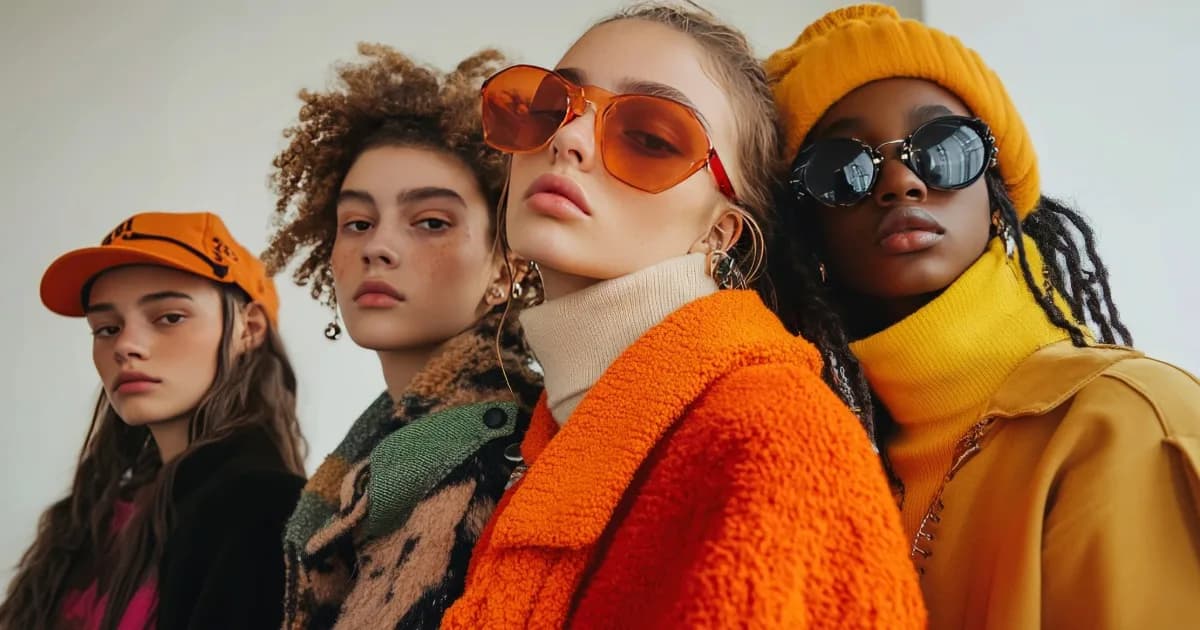
Fashion in 2025 is a vivid reflection of innovation, inclusivity, and emotion. A blend of futuristic silhouettes and cultural revivals shapes the modern style landscape. As designers navigate sustainability and digital expression, the runway transforms into a canvas for experimentation. Let’s dive into the fashion themes dominating 2025, influencing everything from weddings to everyday streetwear.
Revival of Cultural Heritage
Cultural storytelling continues to dominate 2025’s fashion trends. Designers are embracing sarees, embroidery, and handloom textiles as timeless staples while infusing them with modern drapery and bold cuts. Traditional weaves like Banarasi, Chanderi, and Kanchipuram are making a strong comeback, redefined through metallic finishes and contemporary palettes.
This fusion of traditional craftsmanship with tech-based innovation symbolizes the new identity of global fashion—heritage meets innovation.
The New Era of Wedding Fashion
The
Soft pastels, soft textures, and handcrafted beadwork dominate bridal couture, offering brides an opportunity to tell their own story through personalized designs. Meanwhile, grooms’ fashion is evolving toward experimental silhouettes, featuring asymmetrical sherwanis, draped dupattas, and metallic tones.
Wedding fashion has become more inclusive, merging cultural aesthetics from around the globe. Whether it’s a beach ceremony in linen or a royal palace affair in velvet, each outfit now embodies sustainability, comfort, and emotional expression.
The Rise of Fluid Fashion
2025 is witnessing a powerful shift toward gender-fluid fashion. The boundaries between menswear and womenswear continue to dissolve, with brands introducing unisex collections that challenge norms. Flowing dress silhouettes, relaxed tailoring, and layered ensembles dominate collections, focusing more on self-expression than labels.
Neutral shades like ivory, clay, and muted green are leading color choices, while fabrics with soft textures provide a comforting touch. The fashion industry is moving beyond gendered marketing, embracing inclusivity through diverse campaigns and runway representations.
Digital Fashion and the E-Commerce Expansion
The boom in e-commerce has transformed how people experience fashion. Virtual try-ons, AI-based styling assistants, and immersive metaverse stores are redefining online shopping. Consumers can now personalize their wardrobes digitally before purchasing physical garments.
Virtual fashion shows have also become mainstream, allowing brands to cut down carbon emissions from global events. Moreover, e-commerce is fostering micro-trends that spread globally within hours—giving rise to a more connected yet fast-paced fashion economy.
Digital fashion also allows independent designers to reach audiences directly, democratizing creativity and pushing traditional fashion boundaries.
Sustainability and Conscious Consumption
The sustainability movement remains one of the most dominant themes of 2025. With increasing awareness of the environmental cost of overproduction, consumers are choosing quality over quantity. Recycled fabrics, biodegradable fibers, and upcycled designs are central to this conscious shift.
Slow fashion brands are emphasizing craftsmanship, durability, and timeless appeal. Designers are focusing on transparency—sharing their sourcing methods, labor practices, and production cycles openly with customers. Even fast fashion giants are under pressure to adapt, launching eco-lines that prioritize environmental responsibility.
Return of Handcrafted Details
Amid the rise of digital technology, the fashion world is also turning back to artisanal craftsmanship. Embroidery, crochet, and beadwork are reclaiming the spotlight in both couture and ready-to-wear collections. Designers are celebrating imperfection—every handmade stitch tells a story.
The tactile charm of handwork, combined with modern design language, brings a refreshing contrast to the fast-paced world of fashion. This revival reinforces the idea that authenticity and artistry remain timeless, even in an age of innovation.
Soft Textures and Emotional Dressing
One of the most notable characteristics of 2025’s fashion is
This trend aligns with emotional dressing—choosing garments based on how they make one feel rather than just how they appear. Flowy skirts, oversized sweaters, and lightweight drapes encourage self-expression through comfort and movement.
The Influence of Evolving Lifestyles
Hybrid lifestyles have inspired multifunctional clothing—pieces that transition seamlessly from work to leisure. Athleisure continues to evolve, integrating smart fabrics with health-tracking capabilities. Meanwhile, accessories have become bolder yet more functional—think convertible bags, minimal jewelry, and augmented-reality eyewear.
With remote work and travel lifestyles influencing fashion, designers are creating wardrobes built for adaptability. Capsule wardrobes emphasizing versatile neutrals and timeless pieces have become a key fashion strategy.
Dramatic Flair Takes Over the Runway
Even with minimalism on the rise, 2025 isn’t afraid of drama. The year celebrates
Whether it’s a
The Future of Fashion Storytelling
Fashion in 2025 is more than a visual experience—it’s a narrative. Brands are embracing digital storytelling through films, immersive campaigns, and community collaborations. From showcasing real people in ad campaigns to reviving regional textiles, storytelling bridges the gap between creativity and consciousness.
Fashion enthusiasts want authenticity. They seek brands that share not just products but purpose. This redefined storytelling approach humanizes fashion, turning every garment into a conversation piece.
The Global Blending of Cultures
Globalization has made cultural fusion inevitable. Designers across continents are collaborating to create cross-cultural collections that celebrate diversity. Sarees meet corsets, kimonos pair with denim, and traditional embroidery adorns modern silhouettes.
This hybrid fashion movement celebrates the beauty of shared identities. The traditional jacket or handcrafted shrug becomes an international statement of pride, uniting diverse traditions under one design philosophy.
Beyond Aesthetic: Fashion as a Movement
In 2025, fashion isn’t just about what we wear—it’s about what we believe in. Social and environmental consciousness drive creativity, shaping trends that reflect collective values. Brands are expected to act responsibly, empowering artisans, reducing waste, and championing inclusivity.
Fashion has transformed into a platform for dialogue—about sustainability, gender, and identity. From biodegradable materials to digital couture, every innovation is shaping a smarter, more compassionate industry.
