.webp&w=3840&q=75)
The Power of Fashion as a Voice
Fashion has always been more than just outfits and aesthetics—it’s a reflection of society’s conscience, a mirror of cultural evolution, and now, a megaphone for change. The modern runway is no longer a space limited to trends or seasonal collections; it’s a stage for dialogue, protest, and transformation.
From the red carpet to the world’s most vibrant runways, designers are embracing fashion activism to highlight issues ranging from climate change and gender equality to inclusivity and human rights. In this new era, clothing doesn’t just express personality—it expresses purpose.
The Evolution of Fashion Activism
The concept of fashion activism isn’t new. In the 1960s and ’70s, designers used their creations to challenge gender norms, political ideologies, and beauty stereotypes. Punk culture turned safety pins and leather into tools of rebellion, while feminist fashion made bold statements about equality and freedom.
However, today’s activism is more strategic, amplified by social media and global platforms. The runway has evolved into a powerful storytelling medium, where fashion models and designers collaborate to bring pressing global issues into focus—often sparking conversations that transcend style and reach into politics, culture, and human empathy.
Runway as a Medium of Protest
In recent years, the vibrant runway has become a stage for political and social discourse. When Maria Grazia Chiuri debuted her “We Should All Be Feminists” T-shirt for Dior, it wasn’t just a fashion moment—it was a cultural one. Similarly, Prabal Gurung’s 2017 show, featuring slogans like “The Future is Female,” challenged the industry’s complacency on gender rights.
Indian designers have joined this global movement too. From Sabyasachi’s advocacy for body positivity to Anita Dongre’s sustainable collections promoting rural craftsmanship, the Indian runway is increasingly about more than fabric and form—it’s about purpose.
Even the red carpet, traditionally a space for glamour, has transformed into a visual protest zone. Celebrities have used their outfits to take a stand on women’s empowerment, environmental sustainability, and diversity—turning every appearance into a political and cultural statement.
The Intersection of Fashion and Social Issues
Fashion activism thrives at the crossroads of creativity and consciousness. Some of the most impactful themes shaping this movement include:
Environmental Sustainability
Designers are using eco-friendly fabrics and zero-waste techniques to highlight the environmental toll of fast fashion. Brands like Stella McCartney and Rahul Mishra demonstrate that style and sustainability can coexist beautifully.Body Positivity and Inclusivity
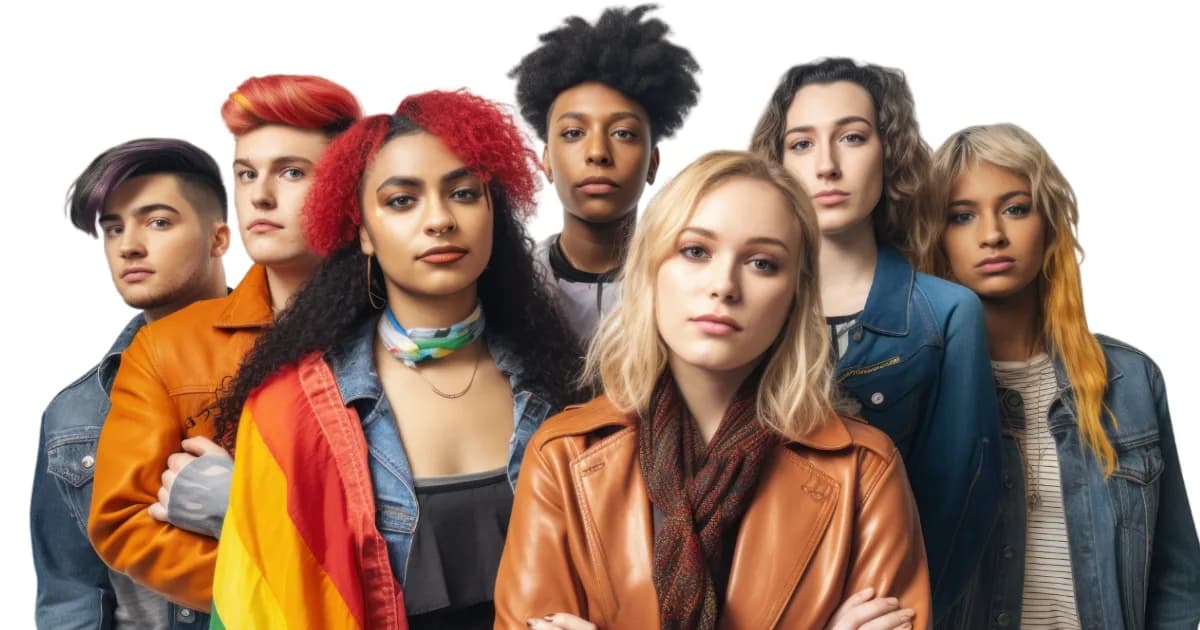
The shift away from rigid beauty standards has redefined what it means to be a fashion model. Runways are now featuring people of all sizes, ages, and genders, promoting the message that beauty is diverse, inclusive, and real.Gender Fluidity
Designers such as Gucci and Harris Reed blur gender lines with outfits that defy traditional binaries, reinforcing that clothing is a form of self-expression—not a label.Cultural Representation
The modern runway celebrates identity through cultural pride. Indian designers are revisiting traditional textiles, patterns, and crafts, using them as statements of resistance against cultural erasure and global homogenization.Ethical Labor and Fair Trade
Beyond the aesthetics, fashion activism also addresses who makes the clothes and under what conditions. The focus on ethical production gives consumers a chance to support human dignity and fair wages.
Designers as Agents of Change
Designers are no longer just creators—they’re activists, educators, and storytellers. Their collections reflect the times, carrying emotional and political messages that transcend couture.
Vivienne Westwood, the godmother of punk, transformed anarchy into high art, using the runway to challenge capitalism and consumerism.
Ashish Gupta, an Indian-born designer based in London, uses sequins and shimmer to deliver sharp political statements about identity, race, and immigration.
Sabyasachi Mukherjee fuses traditional Indian aesthetics with social commentary, reminding the world of India’s rich artisan heritage and the need to preserve it.
Stella McCartney continues to lead sustainable fashion, proving that luxury can coexist with ethics.
Each of these designers views fashion as a language—a powerful medium capable of shaping how society sees itself and how it envisions progress.
The Red Carpet as a Stage for Activism
The red carpet—a space historically synonymous with glamour—has evolved into a symbolic platform for activism. Celebrities, through their outfits, have turned fashion moments into movements.
At the Golden Globes, the #TimesUp movement saw a sea of black gowns, symbolizing solidarity against sexual harassment. Similarly, at Cannes and the Met Gala, stars have worn outfits that carry messages about climate awareness, gender equality, and mental health.
What makes these moments powerful is their visibility. Millions watch these events worldwide, making them ideal spaces for amplifying awareness. A simple outfit—when aligned with purpose—can inspire discussion, empathy, and even policy change.
Fashion Models as Voices, Not Mannequins
In this new wave of fashion activism, fashion models have emerged as vocal participants rather than silent figures. Supermodels like Naomi Campbell and Gigi Hadid, and Indian icons like Diandra Soares and Harnaaz Sandhu, use their influence to champion causes like racial equality, sustainability, and women’s rights.
Runways are no longer silent—they’re vibrant runways alive with emotion, protest, and pride. Models walk not just to showcase designs but to embody ideologies. Through powerful gestures, slogans, and storytelling choreography, they humanize issues that statistics alone cannot.
Digital Runways and Virtual Activism
The digital era has reimagined activism for a global audience. Virtual fashion shows, livestreams, and social media campaigns extend the impact of runway activism beyond geographic borders.
Digital activism allows brands to engage directly with consumers, using platforms like Instagram, TikTok, and YouTube to share behind-the-scenes footage, campaign stories, and ethical practices. A vibrant runway is no longer confined to a single city—it’s accessible worldwide, sparking dialogue and inspiring change across continents.
Emerging designers are using digital spaces to raise awareness about marginalized voices, from LGBTQ+ representation to indigenous craftsmanship. This democratization of fashion activism ensures that every outfit, every model, and every message can find a global stage.
Indian Fashion Activism: Culture Meets Consciousness
In India, fashion activism has taken a uniquely cultural turn. Designers are reclaiming indigenous materials, crafts, and silhouettes as acts of preservation and pride. Labels like Raw Mango, Pero, and Bodice highlight handloom weaving, sustainability, and local storytelling.
These efforts go beyond aesthetic revival—they support artisans, empower rural economies, and revive disappearing traditions. The runway, once dominated by Western silhouettes, now proudly showcases saris, bandhani, khadi, and mirror-work outfits as symbols of resistance against fast fashion and cultural homogenization.
Moreover, Indian fashion weeks now incorporate social themes like gender inclusivity, climate action, and mental health awareness, proving that the country’s fashion industry is evolving into a vehicle for social good.
When Fashion Meets Philanthropy
Beyond the
For instance, Dior and Chanel have partnered with NGOs to support women’s empowerment projects, while Indian labels like Anita Dongre’s Grassroot focus on sustainable livelihoods for rural women. These initiatives highlight that activism in fashion isn’t just performative—it’s actionable and transformative.
The Responsibility of the Fashion Consumer
Fashion activism doesn’t end with designers—it extends to the people who wear their creations. Every consumer has the power to make conscious choices: supporting brands that prioritize ethics, rejecting fast fashion, and valuing purpose over popularity.
By embracing socially responsible outfits, consumers contribute to the movement. In this sense, fashion activism becomes a collective effort—a global collaboration between designers,
The Future of the Vibrant Runway
As the
In this emerging landscape, the
Designers and fashion models of tomorrow will not just sell clothing—they will sell conviction.
Fashion activism isn’t a fleeting trend. It’s the pulse of a new generation that sees beauty not just in appearance but in awareness. The
