.webp&w=3840&q=75)
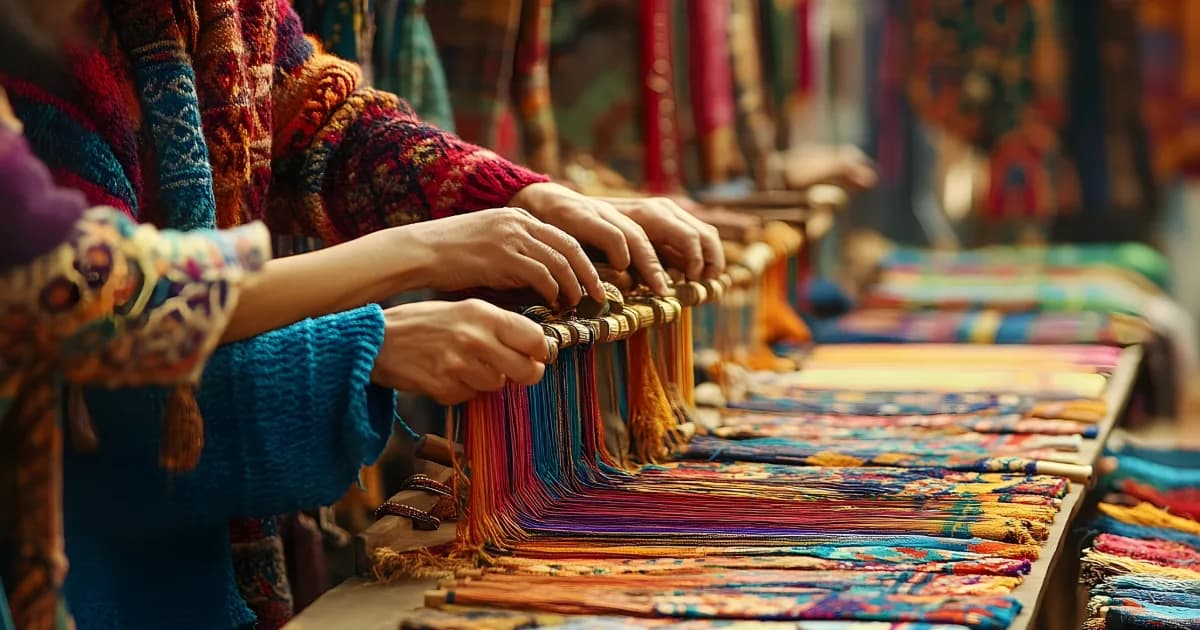
The Comeback of Handcrafted Fashion: Revival of Indian Artisanal Heritage
In a world driven by machines, mass production, and digital dominance, fashion is finding its way back to where it all began — the human touch. The global fashion industry is witnessing a significant shift from industrial manufacturing to handcrafted artistry. And at the heart of this transformation stands India, a country celebrated for its centuries-old craftsmanship and cultural diversity.
The comeback of handcrafted fashion is more than just a passing trend; it’s a full-fledged movement that’s redefining luxury, sustainability, and individuality. From intricately embroidered maang tikkas to the revival of Khadi, from draped dhoti pants to handwoven jackets, Indian fashion is reintroducing the world to the timeless beauty of artisanal heritage — one thread at a time.
Rediscovering the Soul of Indian Craftsmanship
India’s connection to handcrafted fashion runs deep, rooted in history, culture, and identity. Every state, every village, and every artisan carries forward a legacy of craftsmanship that has been passed down for generations. Long before global brands existed, Indian weavers and craftsmen were creating masterpieces admired across continents — from handspun muslin that was as fine as woven air to intricate Zardozi embroidery that adorned royal garments.
Art forms like block printing, mirror work, kantha stitching, and bandhani dyeing reflect the diversity and cultural richness of the subcontinent. These crafts were once essential to India’s economy and social fabric. However, with industrialization and the rise of mass-produced fashion, many of these techniques began to fade into obscurity.
The current resurgence is, therefore, not just aesthetic — it’s emotional and cultural. Designers and consumers alike are rediscovering the soul behind handmade creations. A handcrafted piece isn’t merely clothing; it’s an experience — the feel of organic textures, the imperfections that make it unique, and the invisible bond between the maker and the wearer.
Tradition Meets Modern Innovation
The revival of handcrafted fashion in India represents a beautiful harmony between tradition and innovation. Designers are breathing new life into ancient techniques by pairing them with modern silhouettes and contemporary fabrics.
For instance, dhoti pants, once considered a symbol of traditional menswear, are being reimagined in luxury fashion with contemporary cuts and materials. When paired with corset tops or structured jackets, they embody a perfect fusion of the old and the new — elegance that transcends eras.
Similarly, accessories like
Even Khadi, which was once symbolic of India’s independence movement, is making a strong comeback. Once perceived as a rustic fabric, Khadi is now a symbol of luxury and sustainability. Designers are experimenting with it in jackets, dresses, skirts, and even corset tops — proving that simplicity, when crafted with intention, can redefine elegance.
This intersection of innovation and heritage not only modernizes traditional wear but also repositions Indian fashion on the global map as a pioneer in sustainable, conscious luxury.
The Sustainable Edge: A Rebellion Against Fast Fashion
The comeback of handcrafted fashion is deeply tied to the growing awareness of sustainability. In contrast to fast fashion — which prioritizes speed and cost over quality — handcrafted fashion emphasizes ethical production, natural materials, and timeless design.
Each handmade garment tells a story of time, patience, and skill — something impossible to replicate in mass production. Artisans use eco-friendly materials, natural dyes, and biodegradable fabrics, reducing the environmental impact drastically.
With increasing concerns about textile waste and pollution caused by synthetic fibers, handcrafted fashion offers a viable, planet-friendly alternative. Every handcrafted piece made with Khadi, cotton, silk, or linen supports local artisans and contributes to reducing carbon footprints.
This shift isn’t just about nostalgia; it’s a rebellion against mindless consumerism. By choosing slow, handmade fashion, consumers are voting for quality over quantity, for authenticity over trend-chasing, and for conscious living over instant gratification.
Empowering Artisans: The Backbone of Revival
The backbone of India’s handcrafted industry is its artisans — millions of weavers, embroiderers, and craftsmen whose skills form the foundation of this revival. Yet, for decades, these communities faced economic struggles, a lack of recognition, and declining demand.
Today, a new wave of initiatives by designers, brands, and Governments is changing that narrative. Programs like “Make in India” and “Vocal for Local” have encouraged a renewed focus on handmade industries. Social enterprises and fashion collectives are offering artisans fair wages, improved working conditions, and access to global markets through digital platforms.
Many emerging designers are directly collaborating with artisans in rural clusters, ensuring that traditional knowledge is preserved while adapting to modern design sensibilities. For example, the collaboration between urban fashion houses and regional weavers has led to stunning innovations in handcrafted jackets and corset tops, merging rural skill with contemporary demand.
Empowering artisans doesn’t just uplift local economies — it ensures that generations-old artistry continues to thrive in a world increasingly dominated by automation.
Handcrafted Fashion on Global Runways
The world has taken notice of India’s craftsmanship. From Paris Fashion Week to New York Fashion Week, handcrafted Indian designs are captivating audiences and critics alike. Designers such as Rahul Mishra, Anita Dongre, and Gaurav Gupta are leading the charge, integrating traditional elements with modern storytelling.
Rahul Mishra’s use of hand embroidery and sustainable materials has earned global acclaim, while Anita Dongre’s commitment to ethical production has positioned her as a voice for conscious luxury. Each design not only showcases aesthetic brilliance but also celebrates the human hands that make them.
Handcrafted maang tikkas, intricately woven Khadi gowns, and embroidered jackets have graced international stages — proving that Indian fashion is not just traditional; it’s timeless, adaptable, and global.
The rise of handcrafted fashion is also reshaping how global audiences perceive Indian style — not as exotic or ethnic, but as elegant, sustainable, and innovative.
The Role of Technology in Preserving Craftsmanship
Ironically, technology — once seen as a threat to handmade crafts — is now becoming its biggest ally. With the rise of e-commerce, digital storytelling, and virtual marketplaces, artisans can now reach global customers directly.
Digital tools help designers map sustainable supply chains, track artisan contributions, and ensure transparency in production. Virtual reality is being used to showcase collections, while AI assists in predicting demand and reducing waste.
Technology is also helping archive traditional patterns and techniques, ensuring they are not lost to time. This synergy between heritage and innovation ensures that handcrafted fashion doesn’t just survive — it evolves.
The Youth Movement: Conscious Style Over Fast Trends
Perhaps the most exciting aspect of this revival is the enthusiasm of young consumers. Millennials and Gen Z are driving the handcrafted fashion movement, rejecting cheap garments and instead choosing authenticity, craftsmanship, and sustainability.
Social media platforms like Instagram and Pinterest are flooded with fashion influencers celebrating Indian heritage. From styling
Young shoppers are also more aware of microplastics, pollution, and the exploitation behind mass production. Their growing preference for
This mindset is transforming the way brands operate. Independent labels are now focusing on small-batch production, transparency, and storytelling — values that resonate deeply with today’s conscious audience.
Cultural Revival Through Fashion
Handcrafted fashion is not merely a design trend; it’s a revival of India’s culture and traditions. Every embroidery pattern, every fabric weave, and every handcrafted accessory reflects the soul of its region — its festivals, history, and people.
By embracing this heritage, India isn’t just preserving its past; it’s building a sustainable future. Fashion is becoming a bridge between generations — where modernity doesn’t erase tradition, but enhances it.
This cultural comeback also has a social dimension. As handcrafted fashion gains visibility, artisans receive the dignity, recognition, and livelihood they’ve long deserved. Wearing handcrafted pieces, therefore, becomes an act of pride — a way to connect with one’s roots and contribute to cultural preservation.
The Road Ahead: Handcrafted Luxury for the Future
The comeback of handcrafted fashion represents a turning point for the global industry. As consumers become more conscious and technology continues to evolve, the demand for sustainable, meaningful fashion will only grow.
The future of handcrafted fashion lies in collaboration — between artisans and designers, between
From eco-conscious couture made with Khadi to statement maang tikkas that blend heritage with glam, the possibilities are endless. The new definition of luxury isn’t about mass appeal or high price tags — it’s about craftsmanship, culture, and care.
Final Thoughts
The revival of handcrafted fashion is a tribute to India’s enduring artistry — a reminder that in an age of instant gratification, the most beautiful things are still made by hand. It’s a celebration of Khadi, dhoti pants, maang tikkas, and centuries of skill, all interwoven with innovation and passion.
As fashion reclaims its roots, India stands at the forefront of a global movement — one that honors its past while shaping a more sustainable and soulful future.
