.webp&w=3840&q=75)
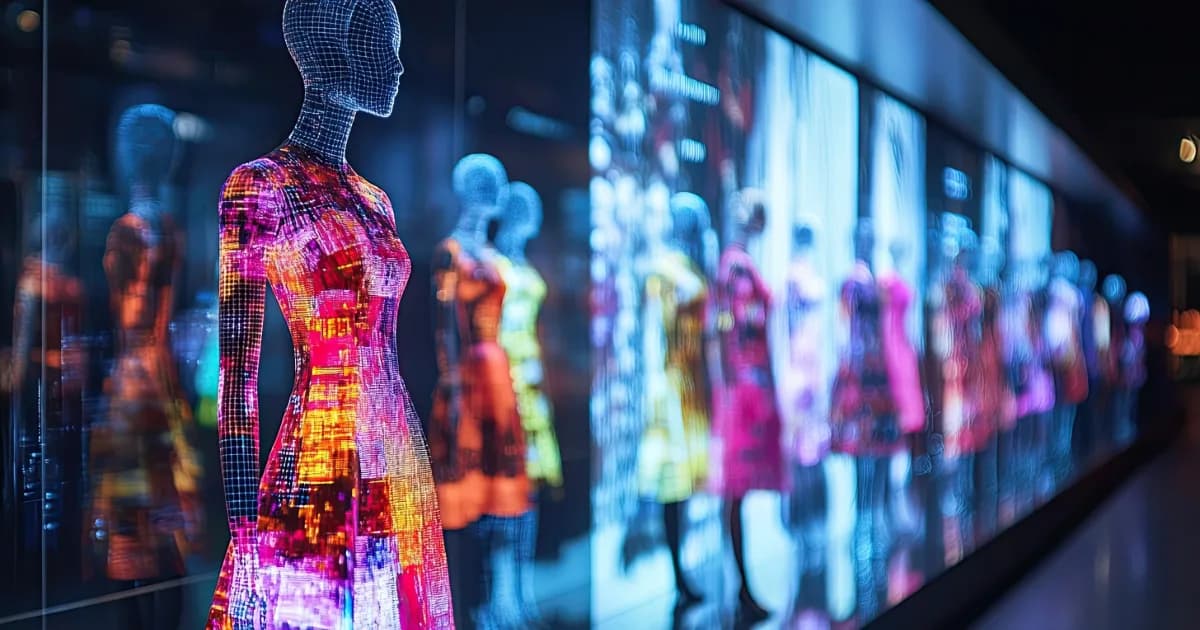
The Digital Renaissance of Fashion
The global fashion industry is undergoing a seismic shift as artificial intelligence (AI) becomes a central creative force. What was once a human-centric process—sketching, stitching, and styling—has transformed into a symbiosis between technology and artistry. AI systems are now capable of analyzing trends, generating original garments, and even predicting consumer preferences with astonishing precision.
This evolution doesn’t diminish the designer’s role—it enhances it. Through machine learning algorithms and data-driven creativity, AI is bringing forth a new era of virtual couture, where fashion transcends physical limitations. The intersection of technology and fashion artistry is blurring boundaries between human imagination and machine intelligence.
AI’s Role in Creative Design
AI tools like DeepFashion and CALA are revolutionizing how designers conceptualize new collections. They analyze thousands of runway images, fashion archives, and street styles to identify recurring patterns, colors, and silhouettes. Designers can then use these insights to generate fresh, data-informed concepts that align with market demands while maintaining originality.
In this process, AI acts as a digital co-creator. Instead of replacing human creativity, it empowers designers to explore combinations they might never have considered—pairing minimalist tones with bold patterns or reimagining monochrome outfits into striking digital expressions.
Moreover, generative design algorithms enable fashion brands to produce countless design variations rapidly. This speeds up the creative process, cuts production time, and reduces the cost of prototyping physical garments.
Virtual Couture: Fashion Beyond Reality
The concept of virtual couture is pushing fashion into the metaverse and digital spaces. In this futuristic realm, designers can create fully AI-generated outfits that exist only in virtual form. These designs are bought, worn, and showcased by digital avatars, social media influencers, or even models in online fashion shows.
Virtual couture allows fashion houses to break free from material constraints—no fabric waste, no shipping, and no carbon emissions. Instead, AI generates stunning pieces that can be rendered, purchased, and worn digitally. This trend reflects the growing convergence between gaming, fashion, and digital identity, appealing especially to Gen Z consumers who value self-expression across virtual platforms.
Digital fashion brands like The Fabricant and DressX have pioneered this field, using AI to produce couture that challenges the traditional notions of wearability. A single virtual gown can exist as both art and asset, redefining what it means to “own” fashion in the digital age.
Data-Driven Personalization
One of AI’s most transformative roles in fashion is hyper-personalization. By analyzing shopping behaviors, body measurements, social media engagement, and even color preferences, AI tailors recommendations to each customer’s style DNA.
Retail giants like H&M and Zalando already employ AI systems to predict what customers will want next season. These tools help brands adjust inventory, reduce waste, and ensure that the garments they produce align with consumer demand—contributing to greater sustainability.
Additionally, AI-driven personalization tools can simulate how clothes will look on different body types, minimizing returns and promoting inclusivity. Virtual fitting rooms and 3D body scanners bring precision to online shopping, making the experience not only more convenient but also more environmentally responsible.
AI and Sustainability: Greening the Future of Fashion
While fashion has long struggled with overproduction and waste, AI presents solutions that align with sustainability goals. Through predictive analytics, brands can optimize manufacturing cycles, ensuring that only what’s needed gets produced.
For instance, AI models assess demand in real-time, helping factories prevent surplus. This significantly cuts down on unsold inventory and textile waste—key culprits behind fashion’s environmental footprint.
AI is also enabling monochrome outfits and minimalist design trends that favor longevity over fast-changing styles. By using data on timeless aesthetics and consumer preferences, brands can promote durable, versatile wardrobes.
Even dyeing and fabric treatment processes are becoming more sustainable thanks to AI-guided innovations. Algorithms identify the most eco-efficient methods, saving water, energy, and chemicals while maintaining high-quality garments.
Revolutionizing the Runway with AI Models
The traditional runway is evolving into a digital experience powered by AI models. These hyper-realistic avatars are not bound by geography, fatigue, or physical limitations. They can wear virtual couture collections, pose for campaigns, and interact with audiences online—all generated through algorithms.
Brands like Balmain and Louis Vuitton have introduced AI models such as Shudu Gram, the world’s first digital supermodel, blurring the line between physical and virtual beauty. These avatars enable fashion houses to showcase collections 24/7, across global time zones, with consistent aesthetics.
AI-generated models also help democratize the fashion industry, making space for new definitions of beauty that transcend age, ethnicity, and body shape. They’re not meant to replace real people but to expand representation and creative expression.
AI and the Democratization of Design
Artificial intelligence is not limited to luxury brands—it’s also empowering independent designers and small fashion houses. Tools like Runway ML and Fashwell allow creators to access trend forecasting, mood board generation, and visual recognition without needing large budgets or research teams.
This democratization fosters innovation at every level of the fashion ecosystem. Independent designers can explore AI-assisted design for monochrome outfits, streetwear collections, or couture lines without compromising individuality.
Moreover, AI is redefining craftsmanship by blending human intuition with machine precision. The result: personalized, data-driven, and emotionally resonant creations that align with the digital consumer’s expectations.
From Physical to Digital: Smart Garments and Wearable Tech
AI is also paving the way for “smart” garments that respond to environmental and physiological cues. Designers are experimenting with fabrics that change color or texture based on temperature, lighting, or emotion.
For example, AI-infused garments can monitor heart rate, posture, or stress levels, making fashion a part of holistic well-being. This integration of technology and textiles symbolizes how the boundaries between clothing and computing are dissolving.
Wearable fashion technology isn’t just about convenience—it’s an aesthetic evolution. It redefines the purpose of what we wear, turning everyday garments into intelligent companions that merge utility with beauty.
The AI-Driven Supply Chain
Behind every glamorous collection lies a complex supply chain—and AI is optimizing it from start to finish. Predictive algorithms now handle everything from fabric sourcing to distribution logistics, ensuring transparency and efficiency.
AI-powered image recognition detects defects in textiles, improving quality control. Machine learning models track raw material origins, ensuring ethical sourcing and compliance with sustainability regulations.
This intelligent automation doesn’t just streamline operations; it enhances brand integrity. Consumers are becoming more aware of how their clothes are made, and AI offers the transparency they demand.
Ethical and Creative Challenges Ahead
Despite its many benefits, AI-generated fashion raises important ethical questions. Who owns the rights to an AI-generated design? Can creativity be patented when algorithms co-create it?
Additionally, as virtual couture and AI models rise, there’s concern about over-digitization. Some fear that fashion’s emotional and tactile essence could fade in a world dominated by pixels and algorithms.
However, industry leaders argue that the future lies not in replacing human creativity but in augmenting it. The next generation of designers will be fluent in both aesthetics and algorithms—using AI as a brush, not a substitute.
The Future of AI-Generated Fashion
Looking forward, AI will continue to evolve from an analytical tool to a creative collaborator. In the coming decade, we can expect AI to curate entire collections, simulate materials before production, and even predict which fashion trends will dominate future seasons.
The synergy between sustainability, digital innovation, and creative intuition will shape a smarter, more ethical, and expressive industry. AI-generated fashion isn’t just redefining design—it’s reinventing identity itself.
In this new era, where imagination meets intelligence, every outfit—whether a virtual gown or a smart fabric—tells a story coded in creativity and consciousness. The runway of tomorrow is not just stitched with thread, but with data, vision, and boundless possibility.
